So smooth… Cutting foam
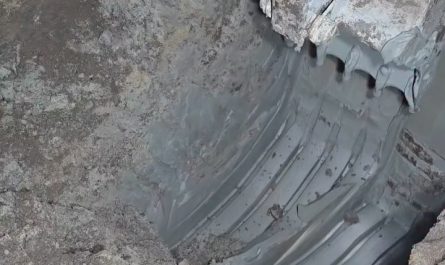
There’s something mesmerizing about watching a hot wire cutter glide effortlessly through a block of foam, leaving a trail of perfectly smooth edges in its wake. It’s almost therapeutic, like a mini-vacation for your senses. But have you ever stopped to think about the science behind this process, or the fascinating history of how foam cutting became an art form in its own right? From the early days of foam crafting to the high-tech tools we use today, the story of foam cutting is a rich and intriguing one that’s full of surprises.
The Art of Foam Cutting
One of the most interesting things about foam cutting is the way it combines art and science. On the one hand, you have the creative aspect of shaping and molding foam into intricate designs and patterns. This requires a great deal of skill and patience, as well as a good eye for detail. On the other hand, you have the technical side of things, which involves understanding the properties of different types of foam and how they respond to heat and pressure. When you bring these two elements together, you get a truly unique and captivating process that’s both functional and beautiful.
The Science of Smooth Edges
So, what makes foam cutting so smooth and precise? The answer lies in the properties of the foam itself, as well as the tools we use to cut it. Most types of foam are made up of tiny, interconnected cells that are filled with air. When a hot wire cutter is applied to the foam, it melts the cells and creates a smooth, even surface. The heat from the wire also helps to seal the edges of the foam, preventing it from fraying or crumbling. This combination of heat and pressure is what gives foam cutting its characteristic smoothness and precision, making it an ideal technique for a wide range of applications, from crafts and hobbies to industrial manufacturing and design.
A World of Possibilities
As foam cutting technology continues to evolve and improve, we’re seeing a whole new world of possibilities open up. From intricate architectural models and prototypes to custom packaging and display materials, the uses of foam cutting are virtually endless. And with the rise of digital tools and software, it’s becoming easier than ever for designers and makers to bring their ideas to life. Whether you’re a seasoned pro or just starting out, the world of foam cutting is a fascinating and rewarding place to explore, full of creative challenges and opportunities waiting to be discovered.
As I watch a hot wire cutter glide through a block of foam, I’m reminded of the magic that happens when art and science come together. It’s a truly mesmerizing process, and one that never fails to inspire and delight. Whether you’re a crafty DIY enthusiast or a professional designer, the smooth, precise world of foam cutting is sure to captivate and intrigue, offering a unique combination of creativity, technical skill, and pure, unadulterated fun.