Centuries old techniques to create a museum quality vase
Imagine holding a delicate, centuries-old vase in your hands, feeling the intricate curves and marveling at the vibrant colors that seem to dance across its surface. It’s a truly breathtaking experience, and one that I had the privilege of enjoying recently at a local art museum. As I gazed at the vase, I couldn’t help but wonder about the techniques used to create such a masterpiece. How did artisans from centuries past manage to craft something so exquisite, so full of life and beauty? The answer, it turns out, lies in a combination of traditional methods and a deep understanding of the materials used.
The Art of Throwing and Trimming
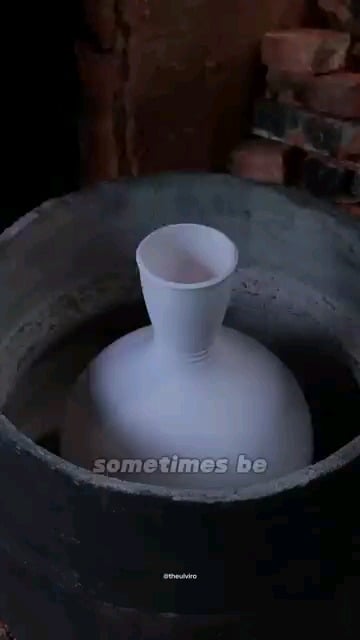
One of the key techniques used to create a museum-quality vase is the art of throwing and trimming. This involves using a potter’s wheel to shape the clay into the desired form, and then carefully trimming and refining the edges to create a smooth, even surface. It’s a painstaking process that requires great skill and patience, as the artisan must carefully balance the shape and proportions of the vase to achieve the perfect harmony of form and function. The throwing and trimming process is not just about creating a beautiful shape, but also about ensuring that the vase is strong and durable, able to withstand the test of time.
The Science of Glazing
Another crucial aspect of creating a museum-quality vase is the science of glazing. This involves applying a layer of glaze to the surface of the vase, which not only adds color and decoration but also helps to protect the clay from damage. The glazing process is a complex one, requiring a deep understanding of the chemical properties of the glaze and how it will interact with the clay. Different types of glaze can produce a wide range of effects, from subtle, muted tones to vibrant, bold colors. The artisan must carefully experiment with different glaze combinations to achieve the desired effect, taking into account factors such as temperature, humidity, and the type of clay used.
The Finishing Touches
Once the vase has been thrown, trimmed, and glazed, the final step is to add the finishing touches. This may involve adding intricate decorations, such as painted designs or carved patterns, or simply allowing the vase to dry and harden before it is fired in a kiln. The firing process is a critical one, as it can make or break the vase. If the temperature is too high or too low, the glaze may not set properly, or the clay may become misshapen or cracked. But when everything comes together just right, the result is a truly stunning work of art that seems to glow with an inner light.
As I stood there in the museum, gazing at the beautiful vase in front of me, I felt a sense of awe and wonder at the skill and craftsmanship that had gone into its creation. It’s a truly remarkable thing, to think that centuries-old techniques can still be used today to create objects of such beauty and elegance. Whether you’re an art lover, a history buff, or simply someone who appreciates the beauty of a well-crafted object, there’s no denying the allure of a museum-quality vase. It’s a testament to the power of human creativity and ingenuity, and a reminder that even in today’s fast-paced, high-tech world, there’s still room for traditional craftsmanship and timeless beauty.