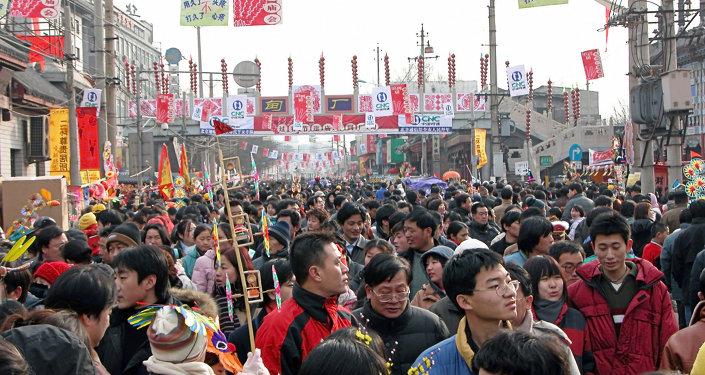
According to the census, there are only 23,000 different surnames in China for a population of 1.4 billion, and around 6,000 of these are shared by 86% of the population.
I’ve always been fascinated by the incredible diversity of cultures around the world, but sometimes it’s the unexpected similarities that really catch my attention. Take China, for example – a country with a staggering population of 1.4 billion people, and yet, according to the census, there are only 23,000 different surnames to go around. That’s a pretty astonishing statistic, especially when you consider that around 6,000 of these surnames are shared by a whopping 86% of the population. I mean, what are the chances that so many people would end up with the same last name? As it turns out, there’s a fascinating story behind this phenomenon, and it’s rooted in China’s rich history and cultural traditions.
A Brief History of Chinese Surnames
It all started over 3,000 years ago, during the Shang Dynasty, when surnames were first introduced as a way to identify different families and clans. At the time, there were only a handful of surnames, and they were typically based on a person’s occupation, place of origin, or family lineage. As the population grew and society became more complex, the number of surnames increased, but they were still relatively limited. In fact, during the Qin Dynasty, the government actually mandated that all citizens adopt one of a limited number of surnames, which helped to further consolidate the population’s names. This legacy has continued to shape the country’s naming conventions to this day.
The Science of Surnames
So, why do so many Chinese people share the same surname? It’s not just a matter of coincidence – there are some interesting scientific and cultural factors at play. For one thing, many Chinese surnames are based on a limited number of characters, which were often derived from ancient words and symbols. This means that there are only so many possible combinations of characters that can be used to create a surname, which helps to explain why there are so few unique names. Additionally, the Chinese culture places a strong emphasis on family and tradition, which means that many people are likely to retain their ancestral surname as a way of honoring their heritage. This combination of linguistic and cultural factors has resulted in a surprisingly small number of surnames, despite the country’s massive population.
The Cultural Significance of Surnames
Despite the limited number of surnames, they still play a vital role in Chinese culture and identity. In many cases, a person’s surname is seen as a reflection of their family’s history and social status, and it’s often used as a way to establish connections and relationships with others. In fact, the Chinese have a saying, “same surname, same family,” which reflects the importance of shared names in building social bonds and community ties. Whether you’re one of the millions of Wangs, Lis, or Zhangs, your surname is an integral part of who you are and where you come from – and that’s something to be proud of.
As I delve deeper into the world of Chinese surnames, I’m struck by the incredible complexity and richness of this aspect of Chinese culture. From the ancient origins of surnames to their modern-day significance, there’s so much more to this story than just a surprising statistic. Whether you’re Chinese or simply interested in learning more about this fascinating culture, the story of Chinese surnames is sure to captivate and inspire – and who knows, you may even discover a new appreciation for the power of names to shape our identities and connect us with others.