Neurocysticercosis :The Disease which turns parasites into brain cysts
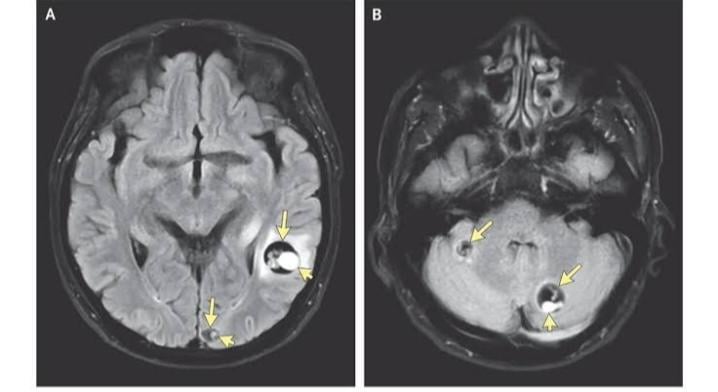
Imagine having a parasite living inside your brain, slowly forming cysts that can cause seizures, headaches, and even death. Sounds like the plot of a sci-fi horror movie, right? Unfortunately, this is a harsh reality for thousands of people around the world who suffer from a disease called neurocysticercosis. This condition occurs when the larvae of a pork tapeworm, Taenia solium, infect the brain and form cysts, leading to a range of debilitating symptoms. But how does this happen, and what’s the fascinating story behind this disease?
The Parasite’s Journey
It all starts with the ingestion of contaminated food or water, which contains the eggs of the Taenia solium tapeworm. Once inside the body, the eggs hatch into larvae, which then penetrate the intestinal wall and enter the bloodstream. From there, they can travel to various parts of the body, including the brain, where they form cysts. These cysts can remain dormant for years, causing no symptoms, or they can become active, leading to a range of problems, including seizures, hydrocephalus, and even death. The scariest part? You don’t have to eat undercooked pork to get infected – simply coming into contact with contaminated feces or food can be enough to transmit the disease.
The Science Behind the Cysts
So, what exactly happens when the larvae form cysts in the brain? Essentially, the immune system tries to wall off the parasite by forming a cyst around it, which can grow up to several centimeters in size. As the cyst grows, it can put pressure on surrounding brain tissue, leading to a range of symptoms. But here’s the fascinating part: the cysts can actually die and calcify over time, leaving behind a hard, grain-like structure that can still cause problems. In some cases, the cysts can even rupture, releasing the parasite’s contents into the surrounding tissue and causing a severe inflammatory response. It’s a complex and often deadly dance between the parasite and the host’s immune system.
Global Impact and Prevention
Neurocysticercosis is a major public health problem in many developing countries, where poor sanitation and hygiene make it easier for the parasite to spread. In fact, it’s estimated that up to 50 million people worldwide are infected with the Taenia solium tapeworm, with thousands dying each year from neurocysticercosis. But there is hope – simple measures like improving sanitation, washing hands regularly, and avoiding contaminated food and water can go a long way in preventing the disease. In addition, mass treatment programs and education campaigns can help reduce the prevalence of the disease in affected communities. By understanding the complex science behind neurocysticercosis, we can work towards a future where this devastating disease is a rarity, not a reality.
As we delve into the fascinating world of neurocysticercosis, it’s clear that this disease is more than just a parasite – it’s a complex interplay of science, sociology, and human behavior. By exploring the backstory and science behind this condition, we can gain a deeper appreciation for the intricate relationships between our bodies, our environments, and the tiny creatures that call us home. And who knows – maybe one day we’ll find a way to eradicate this disease for good, freeing thousands of people from the grip of this deadly parasite.