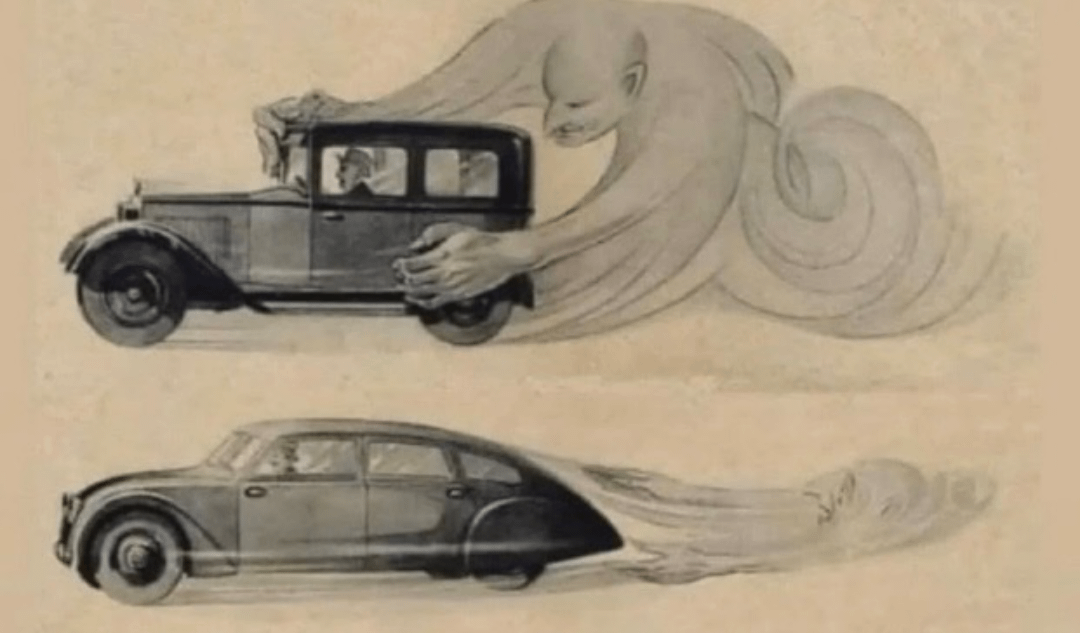
A 1930 advertisement showing the cutting-edge aerodynamic engineering behind new generation of automobiles.
I stumbled upon a fascinating piece of automotive history the other day – a 1930 advertisement that proudly showcased the cutting-edge aerodynamic engineering behind the new generation of automobiles. As I delved deeper into the ad, I couldn’t help but feel a sense of excitement and curiosity about the innovative designs that were being introduced to the world back then. The ad featured sleek, futuristic cars with smooth lines, curved shapes, and a focus on reducing air resistance. It was clear that the automotive industry was on the cusp of a revolution, one that would change the face of car design forever.
The Science of Aerodynamics
The 1930s were an exciting time for the automotive industry, with car manufacturers investing heavily in research and development to create faster, more efficient, and more stylish vehicles. At the heart of this revolution was the science of aerodynamics, which was still a relatively new field of study at the time. Engineers and designers were working tirelessly to understand how air flowed around objects, and how they could use this knowledge to reduce drag and improve performance. The result was a new generation of cars that were designed with aerodynamics in mind, featuring curved lines, sloping grilles, and tapered shapes that sliced through the air with ease.
Design Innovations
The 1930 advertisement highlighted some of the key design innovations that were being introduced to the market. One of the most notable features was the use of streamlined bodies, which were designed to reduce air resistance and improve fuel efficiency. The ad also showcased cars with enclosed wheels, which helped to reduce drag and improve stability at high speeds. Other innovations included the use of wind tunnels to test and refine car designs, and the development of new materials and manufacturing techniques that allowed for more complex and curved shapes. These design innovations not only improved the performance of cars but also gave them a sleek, futuristic look that captivated the imagination of the public.
A Lasting Legacy
The aerodynamic designs that were introduced in the 1930s had a lasting impact on the automotive industry. The focus on reducing air resistance and improving fuel efficiency paved the way for the development of more efficient and environmentally friendly cars in the decades that followed. The sleek, curved lines that were popularized during this period also influenced the design of cars for generations to come, with many modern cars still featuring elements of these early aerodynamic designs. As I looked at the 1930 advertisement, I couldn’t help but feel a sense of admiration for the pioneering engineers and designers who helped to shape the course of automotive history.
As I finished exploring the 1930 advertisement, I couldn’t help but feel grateful for the opportunity to glimpse into the past and see the exciting developments that were taking place in the automotive industry. The cutting-edge aerodynamic engineering that was on display was a testament to human ingenuity and the relentless pursuit of innovation. Even today, the designs and ideas that were introduced during this period continue to inspire and influence the development of new cars, a lasting legacy that is a reminder of the power of creativity and innovation to shape our world.