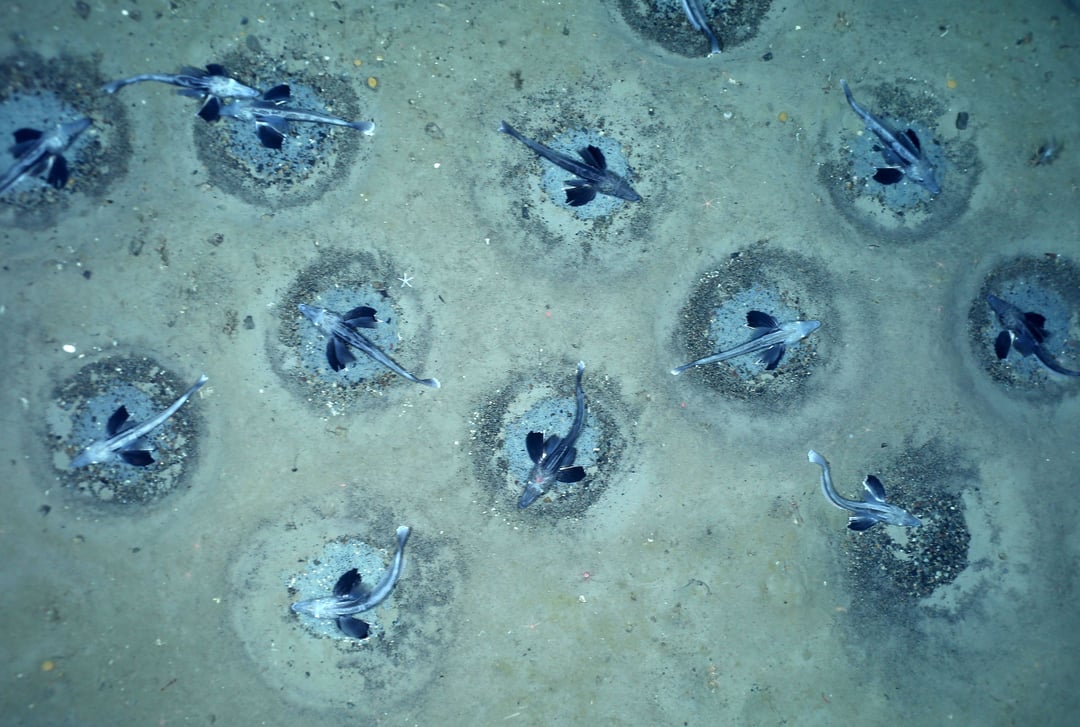
60 milion fish nest were found under the Antarctic ice in 2021. The architectural “underwater city” was constructed by Jonah’s icefish. They are the only known vertebrates to completely lack hemoglobin and red blood cells. Their bodies manufacture specialized antifreeze proteins to prevent freezing
Imagine stumbling upon an underwater metropolis, hidden beneath the icy surface of Antarctica, teeming with life and filled with intricate architecture – it sounds like the stuff of science fiction, but it’s not. In 2021, a staggering 60 million fish nests were discovered under the Antarctic ice, constructed by the remarkable Jonah’s icefish. This incredible find has left scientists and marine enthusiasts alike in awe, and for good reason. The Jonah’s icefish is a species that has adapted to the harsh, frozen landscape of Antarctica in ways that defy explanation, and their underwater city is a testament to their remarkable biology.
The Icefish: A Biological Marvel
The Jonah’s icefish is a fascinating creature that has evolved to thrive in one of the most inhospitable environments on Earth. They are the only known vertebrates to completely lack hemoglobin and red blood cells, which are essential for carrying oxygen in the blood of most animals. So, how do they survive? The answer lies in their unique physiology, which allows them to manufacture specialized antifreeze proteins that prevent their bodies from freezing in the icy waters. This adaptation is crucial, as it enables them to conserve energy and survive in temperatures that would be lethal to most other fish. But that’s not all – the Jonah’s icefish has also developed a range of other specialized traits, from their slow metabolism to their highly efficient oxygen-delivery system, which allows them to make the most of the limited oxygen available in the Antarctic waters.
Life in the Underwater City
The discovery of the 60 million fish nests under the Antarctic ice has provided a unique glimpse into the life of the Jonah’s icefish. The nests, which are carefully constructed by the fish using rocks and other materials, are a crucial part of their reproductive strategy. Female icefish lay their eggs in the nests, which are then guarded by the males until they hatch. The nests are also remarkably uniform in size and shape, suggesting a high degree of organization and cooperation among the icefish. But what’s even more remarkable is the sheer scale of the underwater city – with 60 million nests, it’s likely that the icefish have developed a complex social structure, with different individuals playing different roles in the community. As scientists continue to study this incredible ecosystem, they are gaining a deeper understanding of the intricate relationships between the icefish and their environment.
Uncovering the Secrets of the Icefish
The discovery of the underwater city is not just a fascinating story – it’s also a significant scientific breakthrough. By studying the Jonah’s icefish and their unique adaptations, scientists can gain insights into the evolution of life on Earth and the incredible diversity of species that exist in even the most extreme environments. The icefish’s antifreeze proteins, for example, have potential applications in fields such as medicine and biotechnology. As researchers continue to explore the Antarctic waters and uncover the secrets of the icefish, they are reminded of the awe-inspiring complexity and beauty of the natural world. And who knows – the study of the Jonah’s icefish may yet reveal even more surprising secrets about the incredible diversity of life on our planet.
As we marvel at the incredible story of the Jonah’s icefish and their underwater city, we are reminded of the importance of preserving and protecting our planet’s precious ecosystems. The Antarctic waters are a unique and fragile environment, and the icefish are just one of many species that call this frozen landscape home. By continuing to explore and learn about the natural world, we can gain a deeper appreciation for the intricate web of life that surrounds us, and work to protect it for future generations. The discovery of the 60 million fish nests under the Antarctic ice is a powerful reminder of the wonders that await us in the unexplored depths of our planet, and the importance of preserving these incredible ecosystems for years to come.