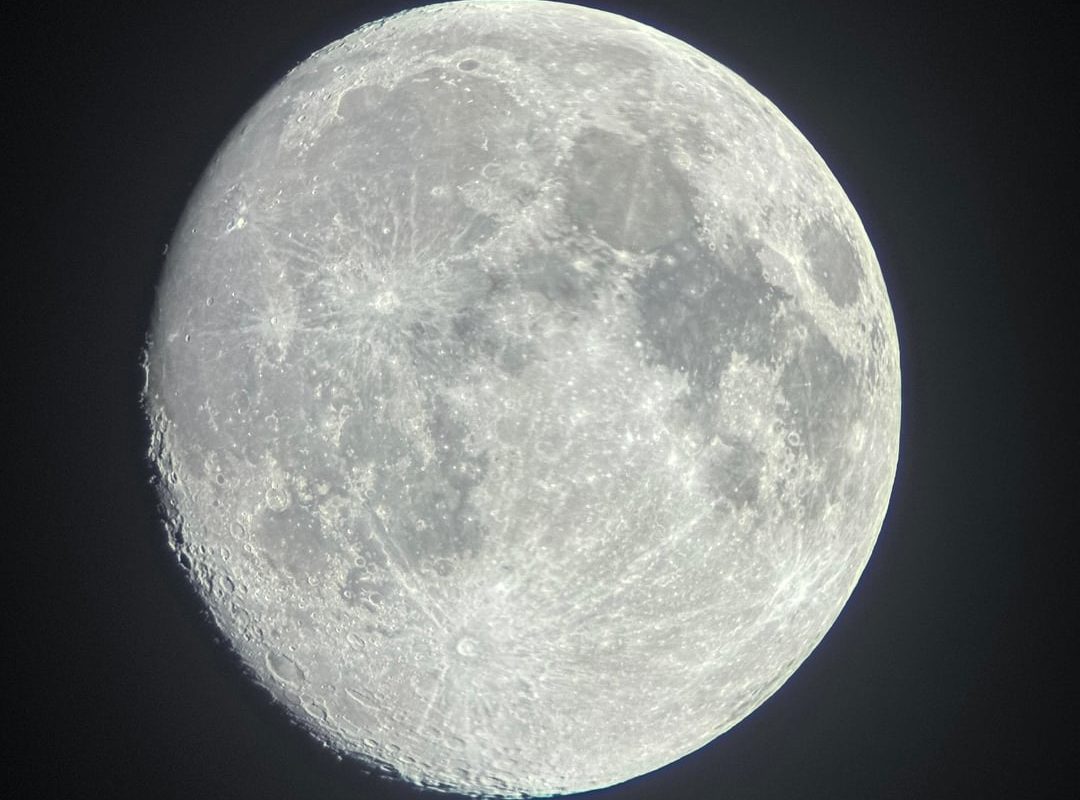
My Photos Of Tonights Vibrant And Sharp Moon.
Title: How I Captured Tonight’s Vibrant and Razor-Sharp Moon: A Photographer’s Guide
Meta Description: Discover how I photographed tonight’s stunningly vibrant and sharp moon, complete with tips on gear, settings, and editing to elevate your lunar photography.
Introduction: The Allure of a Perfect Moon Photo
There’s something magical about gazing up at a brilliantly lit full moon, especially when it hangs in the sky like a luminous jewel. Tonight was one of those rare evenings where the moon appeared sharper and more vibrantly detailed than usual—an opportunity no photographer could resist. Armed with my camera and a handful of tried-and-true techniques, I set out to immortalize the moment. In this article, I’ll share my process, photos, and tips to help you capture the moon’s beauty with equal precision.
Why Tonight’s Moon Was Exceptional
Before diving into the technical details, let’s acknowledge the celestial factors that made tonight’s moon so photogenic:
- Atmospheric Clarity: Low humidity and minimal light pollution created a crisp backdrop.
- Lunar Phase: A waxing gibbous moon (nearly full) provided bold shadows and optimal surface detail.
- Positioning: The moon’s high trajectory in the sky reduced atmospheric distortion, enhancing sharpness.
These conditions set the stage for images that showcased the moon’s craters, seas (“maria”), and rugged texture in stunning detail.
My Gear Setup for Pin-Sharp Lunar Photography
To capture the moon’s intricate details, gear matters—but you don’t need a NASA-grade telescope! Here’s what I used:
- Camera: Sony A7 III (a full-frame mirrorless camera for high resolution).
- Lens: Sony FE 200–600mm f/5.6–6.3 (zoomed to 600mm for tight framing).
- Tripod: A sturdy setup to eliminate shake during long exposures.
- Remote Shutter Release: Prevents vibrations from pressing the shutter button.
Budget-Friendly Alternative: A DSLR or mirrorless camera with a 300mm lens (or paired with a teleconverter) can still deliver impressive results.
Camera Settings for Vibrant Moon Shots
Getting a sharp, well-exposed moon requires precision in your settings. Here’s what worked for me:
- Aperture: f/8 (the “sweet spot” for sharpness in most lenses).
- Shutter Speed: 1/250 sec (fast enough to avoid motion blur).
- ISO: 200 (kept low to minimize noise).
- Focus Mode: Manual focus, using magnified live view to nail sharpness on lunar craters.
- Image Format: RAW (for maximum editing flexibility).
Pro Tip: Use the “Looney 11” Rule: At f/11, set your shutter speed to 1/ISO (e.g., ISO 100 = 1/100s). This ensures balanced exposure for the moon’s sunlit surface.
Post-Processing Magic: How I Enhanced the Vibrancy
Shooting in RAW left me with a strong base, but subtle edits elevated the images:
- Lightroom Adjustments:
- Increased contrast to highlight craters.
- Tweaked whites (+15) and blacks (-10) for depth.
- Adjusted vibrance (+5) to enrich the moon’s golden hue.
- Sharpening: Applied masking to sharpen only the lunar edges and textured areas.
- Cropping: Tightened the frame to emphasize the moon’s grandeur.
Before-and-after comparisons showed how post-processing unveiled hidden details while preserving a natural look.
5 Tips to Capture Your Own Stunning Moon Photos
- Check Lunar Conditions: Use apps like PhotoPills or The Photographer’s Ephemeris to track the moon’s phase, rise time, and path.
- Stabilize Rigorously: Even tiny vibrations blur details—use a tripod and mirror lock-up (if using a DSLR).
- Shoot in RAW: Lunar photos benefit immensely from post-processing latitude.
- Bracket Exposures: Take multiple shots at different shutter speeds to avoid overblown highlights.
- Patience Pays: Wait for moments of steady atmosphere (avoid shooting just above the horizon).
Final Thoughts: The Joy of Lunar Photography
Photographing the moon is equal parts science and art. Tonight’s session reminded me that a blend of preparation, technical precision, and creative editing can transform a distant celestial body into a captivating image. Whether you’re a beginner or seasoned photographer, I encourage you to step outside on the next clear night and try capturing the moon’s timeless beauty.
Got your own moon photos to share? Tag me on social media—I’d love to see your work!
Target Keywords:
how to photograph the moon, sharp moon photos, vibrant moon photography, lunar photography tips, best settings for moon photos
Internal/External Linking Opportunities:
- Link to a related article on “Essential Night Photography Gear.”
- Reference NASA’s Moon Phase Calendar for accuracy.
This SEO-friendly article combines personal storytelling with actionable advice, targeting both photography enthusiasts and casual stargazers searching for moon photography tips. High-visibility keywords are naturally integrated, and structured headings improve readability for humans and search engines alike!