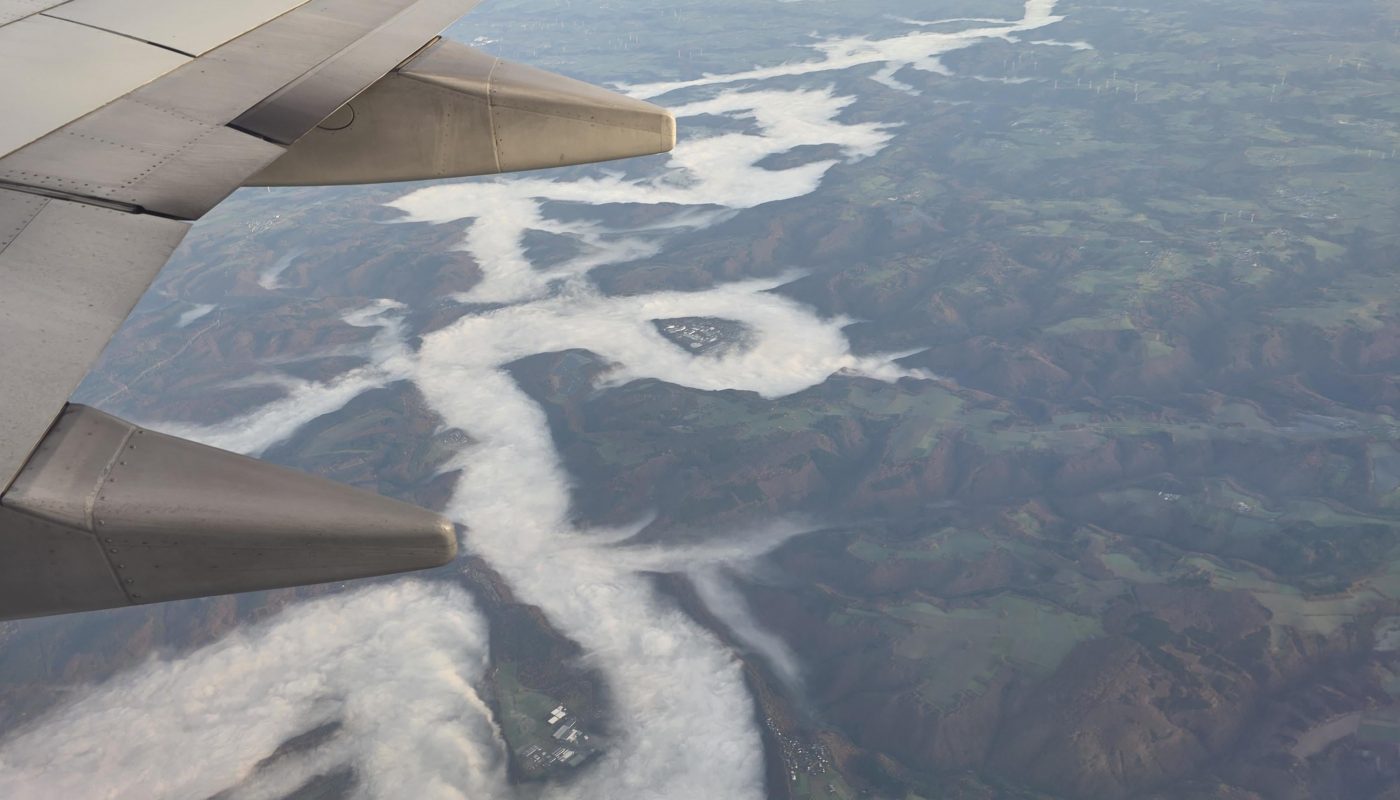
Fog filling in the valleys
Title: The Mystical Beauty of Valley Fog: Nature’s Blanket Over the Lowlands
Meta Description: Discover the science, beauty, and magic behind fog filling valleys. Learn how it forms, where to witness it, and why it captivates nature lovers worldwide.
Introduction: The Enchanting Phenomenon of Valley Fog
Fog filling valleys is one of nature’s most serene and surreal spectacles. As mist gathers in low-lying areas, it transforms landscapes into dreamlike scenes reminiscent of fairy tales or ancient myths. But beyond its visual allure, valley fog—also known as radiation fog—reveals fascinating meteorological processes and ecological benefits. In this article, we’ll explore how valley fog forms, its significance, and the best ways to experience it firsthand.
1. What Is Valley Fog? The Science Behind the Mist
Valley fog occurs when moist air cools rapidly in low-lying terrain, condensing into tiny water droplets that hover close to the ground. Here’s how it happens:
- Radiation Cooling: On clear, calm nights, the ground loses heat quickly, chilling the air above it. Cold air (which is denser) sinks into valleys, creating a temperature inversion.
- Humidity Trapping: Moisture from rivers, lakes, or damp soil becomes trapped in the valley, saturating the cooled air and forming fog.
- Topographical Influence: Mountains or hills surrounding valleys prevent the fog from dispersing, allowing it to linger until sunlight or wind breaks it apart.
Types of Valley Fog:
- Radiation Fog: Most common, forming overnight in stable conditions.
- Advection Fog: Occurs when warm, moist air moves horizontally over cooler valley surfaces.
2. Where and When to Witness Valley Fog
Valley fog is most prevalent in temperate regions with distinct seasons and varied topography. Ideal viewing conditions include:
- Season: Autumn and winter, when nights are longer and cooler.
- Weather: Clear skies, light winds, and high humidity after rainfall.
- Time of Day: Dawn, when fog is thickest, often “burning off” by mid-morning.
Iconic Fog-Filled Valleys to Visit:
- Great Smoky Mountains, USA: Famous for its ethereal “smoke-like” fog.
- Lauterbrunnen Valley, Switzerland: Mist-clad cliffs and waterfalls create a mythical atmosphere.
- Jiuzhaigou Valley, China: Turquoise lakes paired with drifting fog offer unreal vistas.
3. The Ecological Role of Valley Fog
Beyond aesthetics, fog plays a vital role in ecosystems:
- Water Source: In dry regions, fog drip provides moisture to plants and replenishes groundwater.
- Temperature Regulation: Protects crops and wildlife from extreme cold or heat.
- Air Purification: Fog particles capture pollutants, improving air quality.
4. Capturing Valley Fog: Photography Tips
For photographers, fog transforms ordinary scenes into moody masterpieces. Maximize your shots with these tips:
- Golden Hour: Shoot at sunrise to capture fog glowing in soft light.
- Foreground Interest: Use trees, bridges, or wildlife to add depth.
- Long Exposure: Blur moving fog for a silky, surreal effect.
- Drone Shots: Elevate perspectives to showcase fog swirling through valleys.
5. Cultural Significance and Folklore
Throughout history, valley fog has inspired myths and legends:
- In Celtic lore, fog was believed to be a gateway to the Otherworld.
- Japanese poets wrote haikus comparing fog to transient human emotions.
- Native American tribes viewed fog as a protective spirit shielding sacred lands.
6. Staying Safe in Foggy Conditions
While fog enchants, it can pose risks:
- Driving: Reduce speed, use low-beam headlights, and avoid sudden stops.
- Hiking: Stick to marked trails, carry GPS, and wear reflective gear.
- Health: In polluted areas, wear masks to avoid respiratory issues from smog-heavy fog.
Conclusion: Embrace the Magic of Valley Fog
Fog filling valleys is a fleeting yet profound reminder of nature’s artistry. Whether you’re a scientist, artist, or traveler, witnessing this phenomenon is an unforgettable experience. Plan a trip to a fog-prone valley, arm yourself with a camera, and let the mist ignite your sense of wonder.
FAQ Section
Q: How long does valley fog typically last?
A: It often dissipates within a few hours after sunrise but can persist all day in colder, sheltered valleys.
Q: Can fog harm the environment?
A: While natural fog is beneficial, “fog” mixed with pollution (smog) damages ecosystems and human health.
Q: Why do valleys fog more than hills?
A: Cold, dense air sinks into valleys, creating the perfect conditions for fog formation.
Target Keywords:
Valley fog, radiation fog, fog in valleys, misty landscapes, fog photography, how fog forms
Optimization Tips:
- Use keywords in headers (H2, H3) and body text.
- Link to related topics (e.g., weather phenomena, travel guides).
- Add alt text to images: e.g., “Fog-filled valley at sunrise in the Smoky Mountains.”
With this guide, you’re ready to explore, photograph, and appreciate the quiet majesty of fog cascading into valleys. Happy adventuring!