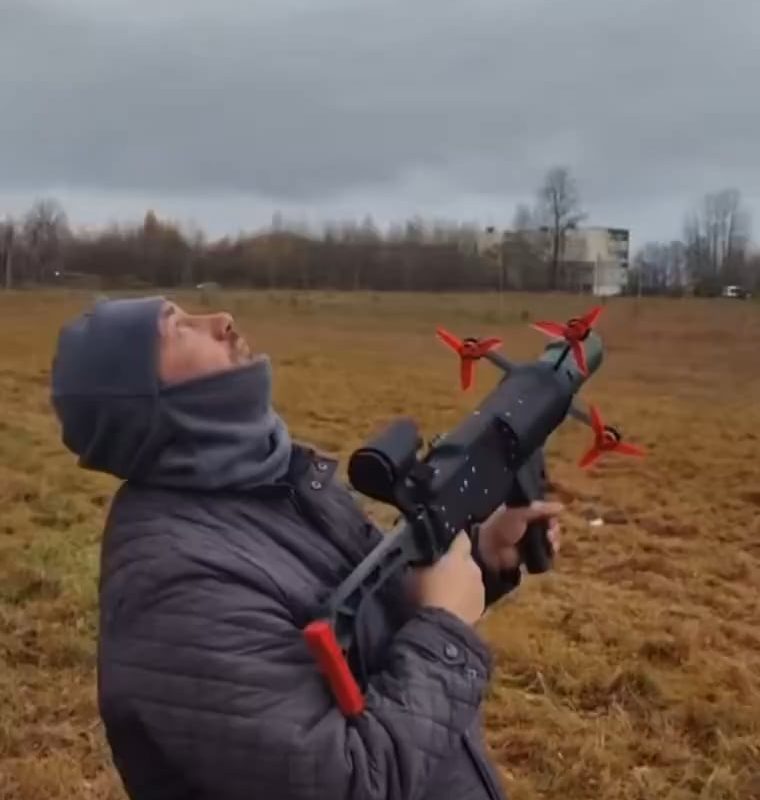
Anti-Drone Drone
Title: Anti-Drone Drones: The Cutting-Edge Solution to Unmanned Threats
Meta Description: Discover how anti-drone drones are revolutionizing airspace security. Learn about their technology, applications, and advantages in countering rogue UAV threats.
Introduction
As drones become cheaper, smarter, and more accessible, their misuse poses growing risks to privacy, security, and critical infrastructure. Enter the anti-drone drone—a sophisticated countermeasure designed to detect, track, and neutralize unauthorized drones. In this article, we explore how these high-tech guardians work, their real-world applications, and why they’re fast becoming essential in modern defense strategies.
Why Anti-Drone Defense Matters
Drones are transforming industries, from delivery services to filmmaking, but their potential for harm is undeniable. Rogue UAVs (Unmanned Aerial Vehicles) have been used for:
- Espionage and data theft
- Smuggling contraband into prisons
- Disrupting air traffic (e.g., near airports)
- Weaponization in conflict zones
Anti-drone drones provide a proactive and adaptable solution to these threats without collateral damage.
How Anti-Drone Drones Work
Anti-drone drones combine advanced detection systems, jamming technology, and physical interception capabilities:
1. Detection & Tracking
- Radar/LiDAR: Scans airspace to identify unauthorized drones.
- RF Sensors: Detects radio signals between the drone and its pilot.
- AI-Powered Cameras: Uses machine learning to classify UAVs visually.
2. Neutralization Tactics
- Radio Frequency (RF) Jamming: Disrupts the drone’s control link, forcing it to hover, land, or return to its operator.
- GPS Spoofing: Feeds false coordinates to misdirect the drone.
- Kinetic Impact: Deploys nets, projectiles, or even collision tactics to physically disable threats.
- Cyber Takeover: Hacks into the drone’s system to seize control safely.
3. Autonomy & Swarming
Many anti-drone drones operate autonomously, using AI to assess threats and execute responses. Some even deploy in swarms to overpower multiple targets simultaneously.
Top Applications of Anti-Drone Drones
- Airport Security: Prevent drones from endangering aircraft (e.g., Gatwick Airport incident in 2018).
- Military Bases & Borders: Protect sensitive sites from surveillance or attacks.
- Public Events: Shield stadiums, concerts, and political gatherings from airborne threats.
- Critical Infrastructure: Guard power plants, oil rigs, and communication towers.
Benefits Over Traditional Anti-Drone Systems
- Precision: Minimizes collateral damage compared to bulky jamming guns or lasers.
- Mobility: Drones can chase threats in complex terrain (e.g., urban canyons or forests).
- Scalability: Easily deployed alongside existing security infrastructure.
- Cost-Effectiveness: Reusable and cheaper than missile-based systems.
Leading Anti-Drone Drone Models
- DroneHunter (Fortem Technologies): Uses radar and net-capture to disable drones mid-air.
- SkyWall (OpenWorks Engineering): Launches a net-mounted parachute to trap targets.
- DJI’s AeroScope: Integrates detection and ID tracking for DJI drones.
- Israeli Smash Hopper: Military-grade drone equipped with AI-driven targeting.
Challenges & Future Trends
Regulatory Hurdles: Strict airspace laws may limit deployment in civilian areas.
Evolving Threats: Adversaries may develop drone swarms or stealth tech to bypass defenses.
Future Innovations: Expect greater AI integration, autonomous swarming, and miniaturized EMPs.
Conclusion
Anti-drone drones represent a dynamic shift in counter-drone technology, offering a versatile and non-destructive way to safeguard skies. As rogue UAV threats escalate, their role in military, commercial, and public safety sectors will only grow. Stay ahead by investing in these agile, intelligent systems—because when drones go rogue, the best defense is a smarter drone.
Keywords: anti-drone drone, counter-drone technology, UAV defense, drone jamming, anti-drone systems, drone interception, airspace security