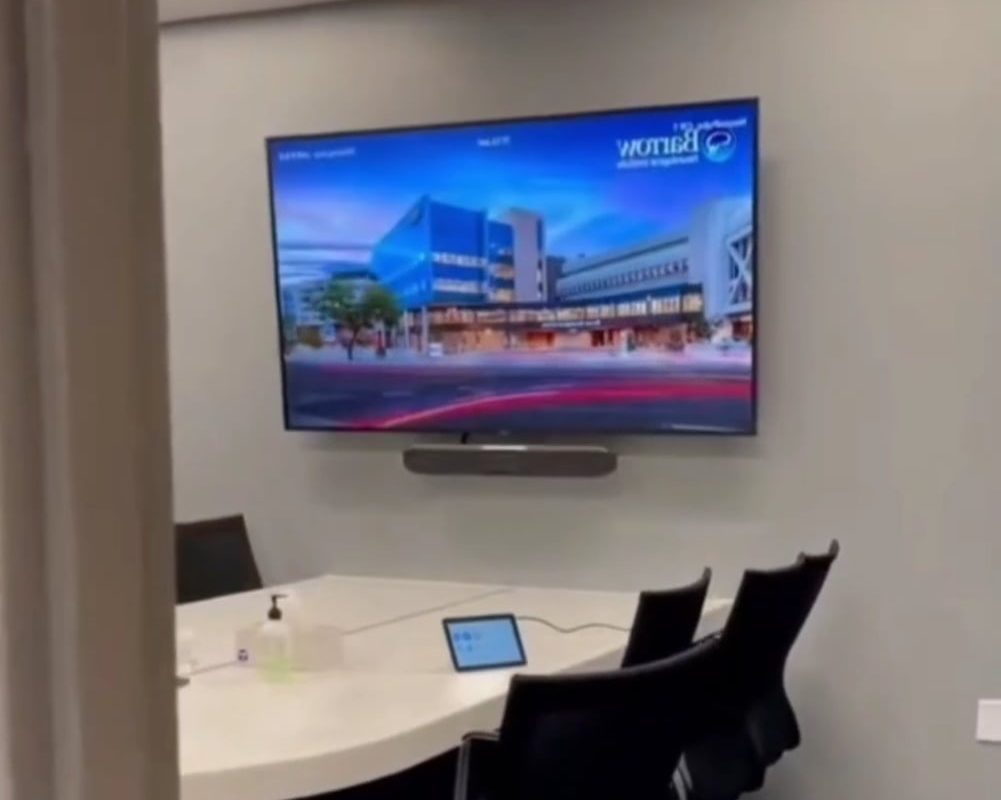
Conference room glass designed to block the screen from outside view
The Future of Confidential Meetings: Conference Room Glass Designed to Block Screens from Outside View
In today’s fast-paced corporate world, confidentiality is non-negotiable. Whether discussing proprietary strategies, sensitive financial data, or confidential client information, businesses need to ensure their meetings remain private. Enter privacy glass for conference rooms—a cutting-edge solution designed to block the view of screens and activity from outside observers, without sacrificing natural light or aesthetics. This innovation is transforming modern office design, blending security with sophistication.
Why Privacy Glass is Essential for Modern Conference Rooms
Traditional conference rooms rely on curtains, blinds, or frosted windows to maintain privacy, but these solutions often feel outdated and disrupt the flow of natural light. Privacy glass (also known as switchable glass, smart glass, or electrochromic glass) solves these issues with dynamic technology that allows the glass to transform from transparent to opaque instantly. Here’s why it’s a game-changer:
-
Enhanced Security
Standard glass leaves digital screens vulnerable to “visual hacking,” where passersby can glimpse sensitive information on laptops or monitors. Privacy glass blocks these sightlines, ensuring presentations and data stay confidential. -
On-Demand Privacy
With the flick of a switch, app control, or automated scheduling, the glass can frosten or clear instantly. This flexibility allows rooms to function as open collaborative spaces or private meeting areas as needed. -
Aesthetic Appeal
Sleek, modern, and minimalist designs are central to contemporary offices. Privacy glass eliminates bulky blinds, maintaining clean lines and maximizing natural light. -
Energy Efficiency
Many smart glass options include tinting features to reduce glare and block UV rays, lowering cooling costs and improving occupant comfort.
How Does Privacy Glass Work?
Privacy glass leverages advanced technologies to control visibility:
-
PDLC (Polymer Dispersed Liquid Crystal) Technology:
Tiny liquid crystals embedded in the glass scatter when electricity is applied, turning the glass opaque. When off, the glass remains transparent. -
Electrochromic Glass:
Uses low-voltage electrical currents to tint the glass, reducing transparency gradually. Ideal for light control but less instant than PDLC. -
Suspended Particle Device (SPD):
Particles align to allow light to pass through or block it, offering variable opacity levels. -
Frosted Glass Films:
Cost-effective adhesive films can be applied to existing glass, providing static frosted privacy or semi-opaque effects.
Applications Beyond Screen Privacy
While blocking screen visibility is a key benefit, privacy glass serves multiple purposes:
- Digital Collaboration: Turn the glass into a projection surface for interactive presentations.
- Branding: Custom-tinted glass or printed logos add corporate identity to spaces.
- Noise Reduction: Some smart glass options include acoustic dampening properties.
Industries That Benefit Most
- Corporate Offices: Protect intellectual property during strategy sessions.
- Legal Firms: Safeguard client-attorney confidentiality.
- Healthcare: Secure HIPAA-compliant discussions in medical offices.
- Government & Defense: Shield classified briefings from visual espionage.
Key Considerations When Installing Privacy Glass
- Budget: Smart glass costs more upfront than traditional solutions but offers long-term ROI via energy savings and versatility.
- Power Supply: Requires electrical wiring for dynamic glass options.
- Maintenance: Most solutions are durable and easy to clean, similar to standard glass.
- Integration: Sync with smart building systems like lighting, HVAC, or room-booking software.
FAQs About Privacy Glass for Conference Rooms
Q: Can privacy glass block screen views from all angles?
A: Yes! When activated, it creates a uniform frosted effect, making screens unreadable from any external viewpoint.
Q: Does it work with video conferencing?
A: Absolutely. The frosted effect doesn’t interfere with cameras or audio equipment.
Q: How long does installation take?
A: Retrofit projects take 1–2 days per room, depending on power requirements.
Conclusion: Privacy Meets Innovation
Conference room glass designed to block screen visibility is no longer a luxury—it’s a necessity for businesses prioritizing security and modern design. By investing in dynamic privacy solutions like smart glass, companies foster trust, inspire collaboration, and future-proof their workspaces.
Ready to upgrade your conference rooms? Contact a privacy glass specialist today to explore custom solutions tailored to your needs.
Target Keywords: Privacy glass for conference rooms, smart glass for offices, conference room screen privacy, switchable glass, frosted glass for meetings, electrochromic glass, LCD privacy glass.
Meta Description: Discover how conference room privacy glass blocks screen visibility from outside views. Learn about smart glass technology, benefits, and installation tips for secure, modern offices.