Sealing the letter
The Timeless Art of Sealing a Letter: Methods, Meaning, and Modern Twists
In the digital age, sending a handwritten letter feels wonderfully personal. But before your heartfelt message reaches its destination, one final step ensures privacy, security, and a touch of elegance: sealing the letter. Whether you’re preparing a job application, a wedding invitation, or a note to a friend, sealing your envelope properly protects your words and adds intentionality to your gesture.
This guide covers practical techniques, historical traditions, and creative ideas for sealing letters—ensuring your mail arrives safely while making a lasting impression.
Why Does Sealing Matter?
Sealing a letter isn’t just about practicality; it’s a symbolic act that underscores confidentiality, care, and completion. Historically, seals (like wax impressions) authenticated a sender’s identity and deterred tampering. Today, sealing still:
- Prevents accidental opening during transit.
- Protects sensitive contents from prying eyes.
- Elevates presentation, turning mundane mail into a keepsake.
Let’s explore the best methods to seal your envelope flawlessly.
How to Seal an Envelope: 5 Foolproof Methods
1. The Classic Moistened Glue Strip
Most envelopes come with a pre-applied adhesive strip. To activate it:
- Lightly dampen the glue with a sponge, damp cloth, or your tongue (for traditionalists).
- Press firmly for 5–10 seconds to bond the flap.
- 💡 Pro Tip: Avoid over-wetting, which can warp the paper or weaken the seal.
2. Glue Sticks or Liquid Glue
Ideal for envelopes without adhesive strips. Apply sparingly to avoid wrinkles or seepage:
- Use a white glue stick (acid-free to preserve paper).
- For liquid glue, apply dots along the flap’s edge—never a thick layer.
3. Double-Sided Tape
A clean, no-mess alternative:
- Apply tape to the envelope flap, peel the backing, and press shut.
- Ideal for glossy or recycled envelopes that resist traditional glue.
4. Wax Seals: Old-World Charm
Wax seals transform ordinary mail into art. You’ll need:
- Sealing wax (traditional sticks or flexible glue-gun variants).
- A metal seal stamp (monogram, emblem, or custom design).
- Steps:
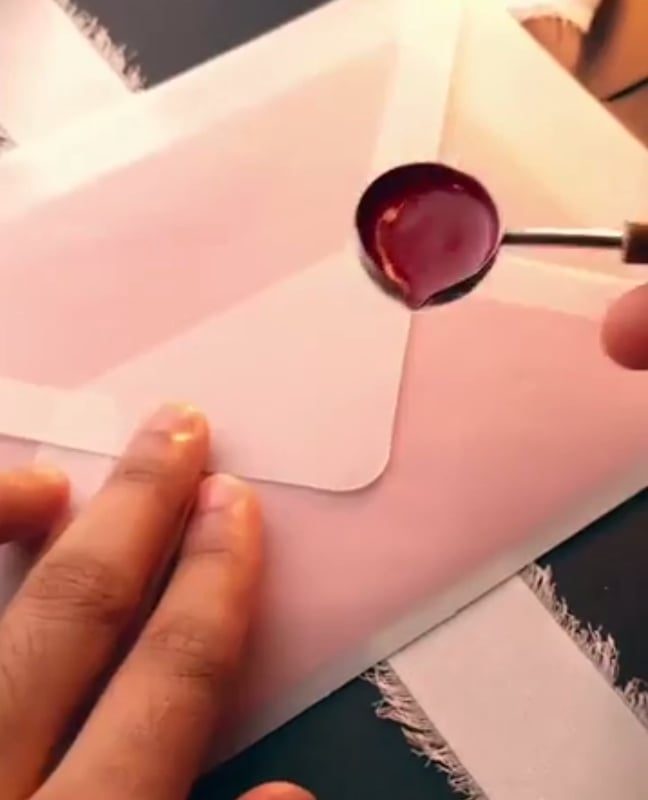
- Melt the wax (using a candle or lighter) and drip a small pool onto the flap.
- Press the stamp into the wax firmly, then lift straight up.
- Let cool for 30 seconds before handling.
Creative Twist: Pair colored wax with thematic stamps (e.g., floral for weddings, nautical for travel notes).
5. DIY & Upcycled Solutions
No supplies? Improvise:
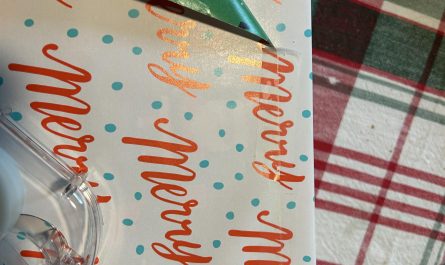
- Use a sticker (decorative or plain) to secure the flap.
- Try washi tape for a colorful accent.
- Fold the flap tightly and secure with a small piece of masking tape—paint or decorate it later!
Sealing for Security: Protecting Confidential Letters
For legal documents, contracts, or sensitive info, reinforce your seal:
- Use security envelopes with patterned interiors to obscure contents.
- Add tape over the flap’s edge to deter tampering.
- Opt for tamper-evident strips that show “VOID” if opened.
The History & Symbolism of Seals
Sealing transcends function—it’s rich with heritage:
- Ancient Origins: Mesopotamian clay seals (3000 BCE) marked ownership.
- Medieval Europe: Nobility used personalized wax seals to sign decrees.
- Victorian Era: Lovers sealed letters with wax kissed by their lips.
Today, seals symbolize thoughtfulness. A wax-sealed birthday card or resume can captivate the recipient before they even read it.
Tips for a Flawless Seal
- Test first: Practice wax seals on scrap paper.
- Don’t overfill envelopes; bulky contents strain the seal.
- Mail promptly—old glue can dry out and fail.
FAQs About Sealing Letters
Q: Can I reuse an envelope if I didn’t seal it properly?
A: Yes! Gently peel the flap open or use a knife. To reseal, apply a glue stick or tape.
Q: What’s the best adhesive for handmade envelopes?
A: Glue sticks or liquid glue work well. Avoid “super glue,” which can discolor paper.
Q: Are wax seals mail-safe?
A: Yes, but place the wax near the flap’s edge (not over the address) and affix extra postage if bulky.
Final Thought: Seal with Intention
Sealing a letter is more than a practical step—it’s a quiet ritual that honors your message. Whether you choose a simple tape closure or an ornate wax emblem, your seal whispers, “This mattered enough to finish beautifully.”
Next time you send a letter, let the seal reflect your care. After all, few things feel more special than receiving mail sealed with purpose.
Keywords: How to seal a letter, sealing an envelope, wax seal tutorial, secure letter sealing, envelope adhesive methods, mailing tips, letter-writing traditions.