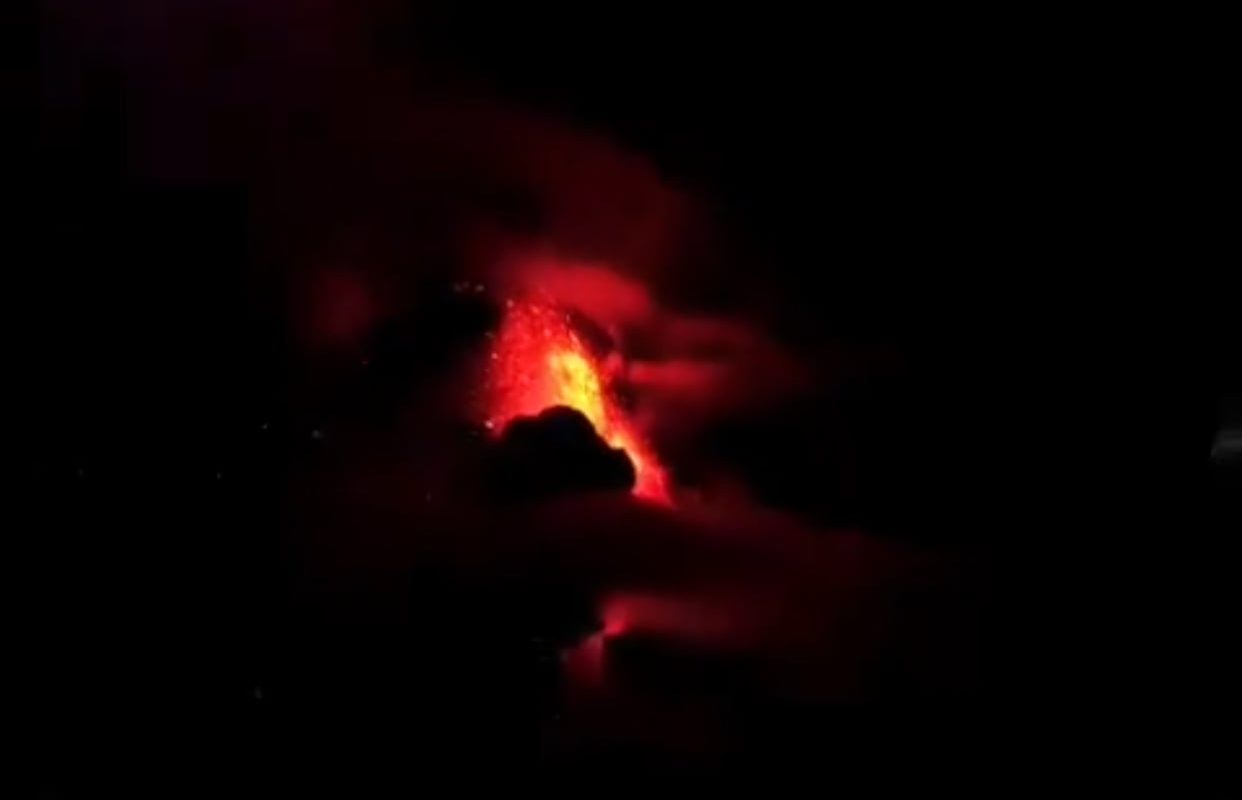
Mount ruang in Indonesia
Meta Title: Mount Ruang Indonesia – Guide to Eruptions, Tourism, and Volcanic Activity
Meta Description: Discover Mount Ruang, Indonesia’s stratovolcano in North Sulawesi. Learn its eruption history, latest activity (2024), travel tips, and ecological significance in this complete guide.
URL Slug: mount-ruang-indonesia-guide
Mount Ruang: Indonesia’s Active Volcano in North Sulawesi
Mount Ruang (Indonesian: Gunung Ruang) is one of Indonesia’s most active and awe-inspiring volcanoes. Located in the Sangihe Islands of North Sulawesi, this stratovolcano has made global headlines due to its explosive eruptions, most recently in April 2024. Spanning a complex geological history and surrounded by vibrant marine ecosystems, Mount Ruang offers scientists and intrepid travelers a stark reminder of nature’s power and beauty.
In this guide, we explore Mount Ruang’s volcanic activity, eruption history, safety considerations, and its unique role in Indonesia’s 120+ active volcanoes.
Overview: Mount Ruang at a Glance
- Location: Sangihe Islands, North Sulawesi, Indonesia
- Elevation: 725 meters (2,379 feet) above sea level
- Volcano Type: Stratovolcano (composite cone)
- Last Major Eruption: April 2024
- Geographical Significance: Part of the Pacific Ring of Fire
Geological Background & Eruption History
1. Tectonic Origins
Mount Ruang lies in the Sangihe volcanic arc, formed by the collision of the Eurasian and Pacific tectonic plates. It sits 100 km northeast of Sulawesi Island, making it part of Indonesia’s seismically hyperactive northern region.
2. Notable Historical Eruptions
- 1871: First recorded eruption; ashfall impacted nearby islands.
- 1949: Significant explosive event, generating pyroclastic flows.
- 2002: Moderate eruption with lava flows and ash plumes.
- April 2024: Violent eruption series; lava fountains, pyroclastic clouds, and evacuations of 12,000+ residents. Airports in Manado and Gorontalo closed temporarily.
3. Recent Activity (2024 Eruption)
The April 16–30, 2024 eruption was classified as VEI 4 (Volcanic Explosivity Index), with:
- Ash plumes reaching 16–19 km (52,000 ft) into the atmosphere.
- Lava domes collapsing, triggering tsunamis (alert issued).
- Over 800,000 tons of sulfur dioxide released, affecting air quality regionally.
Visiting Mount Ruang: Tourism & Safety
Is It Safe to Visit Mount Ruang?
As of 2024, Mount Ruang remains under Level III (Siaga/Alert) status by Indonesia’s PVMBG volcanology agency. Hiking is prohibited during eruptions. Travelers should:
- Check updates from PVMBG or local authorities.
- Avoid a 6 km exclusion zone around the crater.
- Wear N95 masks if visiting nearby islands (e.g., Tagulandang) due to ashfall.
Best Time to Visit
- Dry Season (June–September): Lower rainfall reduces landslide/avalanche risks.
- Post-Eruption Periods: When activity stabilizes, the volcano offers dramatic landscapes for photography.
How to Get There
- Nearest Airport: Sam Ratulangi International Airport (MDC) in Manado, North Sulawesi.
- Boat Journeys: Charter boats from Tahuna (Sangihe’s capital) to Ruang Island (2–3 hours).
What to See Nearby
- Tagulandang Island: Stunning beaches and views of the volcano.
- Bunaken Marine Park: World-class diving (2 hours by boat from Manado).
- Karangetang Volcano: Active twin volcano on Siau Island.
Ecological Impact & Local Communities
1. Environmental Risks
- Ashfall: Damages crops (cloves, coconuts) and coral reefs.
- Pyroclastic Flows: Destroy vegetation; 2024 flows extended 2 km into the sea.
- Tsunami Risk: Dome collapses can trigger waves (as in 1871).
2. Benefits of Volcanic Soil
- Fertile soil supports nutmeg, clove, and vanilla plantations on surrounding islands.
- Deep-sea vents attract diverse marine life, ideal for snorkeling/diving.
3. Local Culture
The Sangihe people revere Ruang as sacred. Myths describe eruptions as the mountain’s “anger” over human wrongdoing.
FAQs About Mount Ruang
1. Why did Mount Ruang erupt in 2024?
Increased magma pressure from subduction zone activity triggered the eruption, following months of seismic unrest.
2. Could Mount Ruang erupt again soon?
Yes—PVMBG warns of potential lava dome growth and further eruptions. Monitoring continues 24/7.
3. Is Mount Ruang part of Krakatoa?
No. Ruang is 2,000 km northeast of Krakatau and part of a separate volcanic arc.
4. How does Ruang compare to Merapi or Semeru?
Ruang is smaller but shares explosive tendencies due to viscous, silica-rich magma.
Conclusion: Respecting Nature’s Power
Mount Ruang exemplifies Indonesia’s volatile beauty—a stark reminder of the tectonic forces shaping the archipelago. While its eruptions displace communities and disrupt travel, they also enrich soils and sustain ecosystems. For adventurers and volcanologists alike, Ruang offers a humbling encounter with Earth’s primal energy.
Travel Responsibly: Always prioritize safety alerts, support local economies, and preserve the fragile environment around this natural wonder.
Keywords for SEO: Mount Ruang Indonesia, Ruang volcano eruption 2024, visiting Mount Ruang, Sangihe Islands volcanoes, Indonesia volcanic activity, North Sulawesi travel, Pacific Ring of Fire, stratovolcano tourism.
Updated: May 2024 | Source: PVMBG, Global Volcanism Program, Reuters.