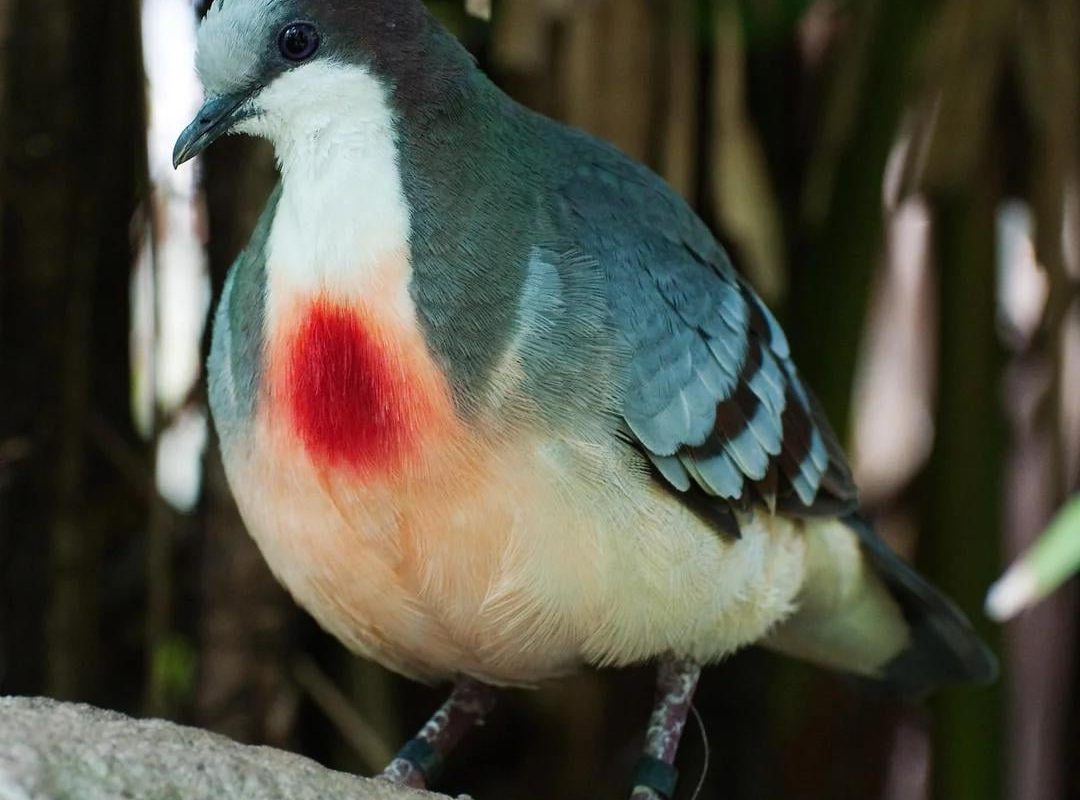
The Luzon Bleeding Heart Dove has a blood red feature on it’s chest, which makes It look like it been shot
Title: The Luzon Bleeding Heart Dove: Nature’s Astonishing “Shot Through the Heart” Bird
Meta Description: Discover the Luzon Bleeding Heart Dove, a rare Philippine bird with a mysterious blood-red chest marking. Uncover its habitat, behavior, and why its unique appearance looks like a wound!
The Luzon Bleeding Heart Dove: Nature’s Dramatic Masterpiece
Deep in the rainforests of the Philippines lives a bird so visually striking that it seems plucked from a Gothic tale. The Luzon Bleeding Heart Dove (Gallicolumba luzonica), named for the vivid red streak adorning its chest, looks as though it’s been pierced by an arrow—or shot through the heart. This exotic pigeon captivates birdwatchers, scientists, and folklore enthusiasts alike, blending eerie beauty with ecological intrigue.
A Heart That “Bleeds”: Anatomy of a Myth
The Luzon Bleeding Heart Dove is instantly recognizable for its most famous feature: a bright, blood-red patch on its white breast. This marking resembles a fresh wound, with elongated red feathers giving the illusion of rivulets of blood. While the name sounds morbid, this adaptation is purely natural—no injury required.
Key Physical Traits:
- Size & Color: Compact and plump (25–30 cm long), with ash-gray wings, iridescent green-blue patches, and a snow-white belly.
- The “Bleeding Heart”: Males have a more pronounced red splotch than females, intensifying during mating displays.
- Camouflage Secret: When perched, the dove tucks its head, hiding the red mark and blending into foliage to avoid predators.
Habitat & Range: Where to Find This Shy Jewel
Endemic to the Philippine island of Luzon, this elusive bird thrives in lowland and foothill forests. It favors dense undergrowth near water sources, where it forages for seeds, fallen fruits, and small invertebrates.
Conservation Status:
- Listed as Near Threatened (IUCN) due to deforestation, hunting, and the pet trade.
- Found in protected areas like the Northern Sierra Madre Natural Park and captive breeding programs globally.
Behavior: The Secret Life of a Shy Survivor
Unlike showy tropical birds, the Luzon Bleeding Heart Dove is notoriously elusive. These ground-dwelling doves prefer quiet solitude:
- Feeding Habits: Scratches through leaf litter with strong feet, searching for insects and seeds.
- Vocalizations: Soft, melancholy coos at dawn or dusk—far quieter than their vivid appearance suggests.
- Breeding: Monogamous pairs build flimsy nests in shrubs. Females lay 1–2 creamy eggs, guarded fiercely by both parents.
Why Does It Look “Shot”? Evolutionary Secrets
While no definitive study confirms the purpose of the bleeding heart marking, theories abound:
- Mating Strategy: The red patch may signal fitness to females, similar to a peacock’s tail.
- Warning Signal: The “wound” could deter predators by mimicking injury or toxicity.
- Folklore Inspiration: Local legends claim the mark represents a tragic love story—a literal arrow to the heart.
Interestingly, four other Gallicolumba doves in the Philippines share similar “bleeding” traits, but Luzon’s is the most dramatic.
Conservation: Protecting a Living Wonder
Habitat loss poses the greatest threat. Luzon’s forests—home to this dove and other endemics like the Philippine Eagle—have shrunk by 75% since the 1900s. Organizations like the Philippine Endemic Species Conservation Project work to:
- Restore rainforest corridors.
- Combat illegal wildlife trafficking.
- Promote eco-tourism to fund protection efforts.
How You Can Help:
- Support ethical zoos and breeding programs.
- Donate to reforestation NGOs like Haribon Foundation.
- Spread awareness to reduce demand for captive birds.
FAQs About the Bleeding Heart Dove
Q: Is the red mark actual blood?
No! It’s a natural feather pattern—no harm to the bird.
Q: Can I see them in the wild?
Yes, but it’s challenging. Guided tours in Luzon’s reserves offer the best glimpses.
Q: Are they kept as pets?
Illegally, yes. Captive breeding requires permits, and wild capture devastates populations.
Conclusion: A Symbol of Nature’s Poetic Mystery
The Luzon Bleeding Heart Dove is more than a biological marvel—it’s a testament to evolution’s artistry. Its haunting beauty reminds us of nature’s fragility and the urgency of conservation. Whether seen as a symbol of love, survival, or mystery, this “shot through the heart” bird remains one of Earth’s most enchanting wonders.
Call to Action: Share this article to raise awareness! Follow #SavePhilippineWildlife to join the effort to protect Luzon’s irreplaceable biodiversity.
Target Keywords: Luzon Bleeding Heart Dove, Bleeding Heart pigeon, Philippine dove, unique bird species, Gallicolumba luzonica, birds with red chest, endangered birds Philippines.
Image Suggestion: Include photos/videos of the dove in lush forest settings or slow-motion footage highlighting its crimson marking. Pair with infographics on its habitat range.
By blending science, myth, and conservation, this article positions the Luzon Bleeding Heart Dove as a must-know icon for nature lovers—rank-ready for SEO through strategic keywords and shareable storytelling.