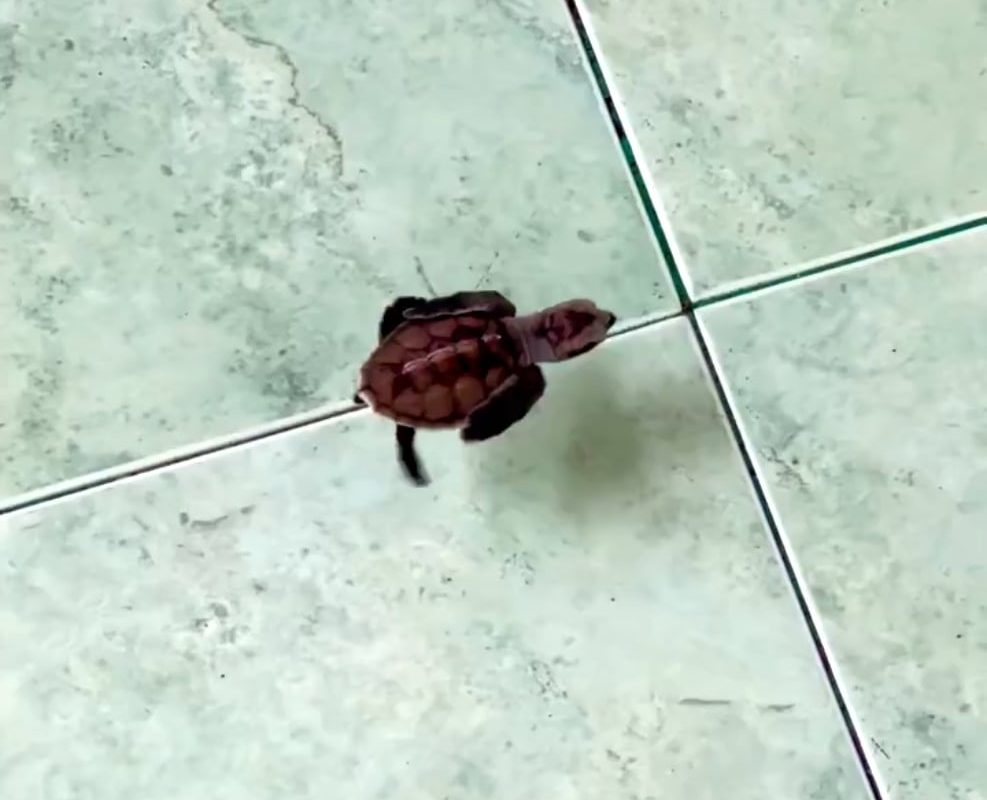
A baby sea turtle swimming
Meta Title: The Miraculous Journey: A Baby Sea Turtle Swimming to the Ocean
Meta Description: Discover the incredible story of a baby sea turtle swimming against all odds. Learn about their fight for survival, migration patterns, and how you can help protect these endangered wonders.
The Miraculous Journey of a Baby Sea Turtle Swimming to Survival
Few sights in nature are as heartwarming—or as heart-pounding—as watching a baby sea turtle swimming for the first time. These tiny hatchlings, no bigger than a ping-pong ball, embark on an extraordinary journey from the moment they hatch. Battling predators, harsh elements, and human threats, their swim to the ocean marks the beginning of a fight for survival. In this article, we explore the science, struggles, and sheer resilience behind a baby sea turtle’s first swim.
The Race Begins: Hatching and Emerging from the Nest
Baby sea turtles, known as hatchlings, begin their lives buried under the sand. After incubating for 45–70 days (depending on the species), they break free from their eggs using a temporary “egg tooth.” Working together, the hatchlings wriggle upward through the sand in a synchronized effort—a behavior scientists call “social facilitation.” Once they reach the surface, they rely on instinct and environmental cues to find the ocean:
- Moonlight and Reflection: Hatchlings follow the brightest horizon, usually the moon reflecting off the ocean. Artificial lights from beaches can disorient them, leading to deadly detours.
- Temperature Sensing: Cooler sand near the water guides them toward the waves.
- The “Swim Frenzy”: Upon reaching the surf, hatchlings enter a non-stop swimming phase for 24–48 hours to escape shallow predator-rich waters.
The First Swim: Challenges in the Open Ocean
Once a baby sea turtle begins swimming, it faces a gauntlet of challenges. Only 1 in 1,000 sea turtles survives to adulthood, making their first hours critical:
Predators at Every Turn
Hatchlings are easy prey for birds, crabs, fish, and even other reptiles. Their small size and slow speed make them vulnerable until they reach deeper waters.
Navigating Strong Currents
Tiny turtles use Earth’s magnetic field to navigate ocean currents. Species like loggerheads ride the North Atlantic Gyre, circling the ocean for years before returning to coastal areas.
Energy Depletion
Hatchlings live off yolk reserves for days. If they fail to reach floating seaweed or debris (“sargassum rafts”) to rest and feed, exhaustion can be fatal.
Conservation Crisis: Why Baby Sea Turtles Need Our Help
Human activity has pushed all seven sea turtle species toward endangerment. Key threats include:
- Coastal Development: Nesting beaches disappear due to construction and erosion.
- Plastic Pollution: Hatchlings mistake microplastics for food, leading to starvation.
- Climate Change: Rising sand temperatures skew sex ratios (warmer nests = more females) and submerge nesting sites.
- Illegal Poaching: Eggs and turtles are harvested for food, jewelry, and traditional medicine.
How You Can Protect Baby Sea Turtles
- Keep Beaches Dark: Turn off lights near nesting areas during hatching season (May–October in most regions).
- Reduce Plastic Use: Opt for reusable bags and bottles to prevent ocean pollution.
- Support Conservation Groups: Organizations like SEE Turtles and The Sea Turtle Conservancy protect nests and rehabilitate injured turtles.
- Volunteer for Beach Cleanups: Help maintain safe nesting habitats.
FAQs: Baby Sea Turtle Swimming
How far do baby sea turtles swim?
Hatchlings swim non-stop for up to 48 hours to reach offshore currents. Some species, like leatherbacks, migrate over 10,000 miles yearly!
Can baby sea turtles drown?
Yes! Exhaustion or entanglement in fishing gear can cause drowning. Properly disposing of fishing lines saves lives.
How long do sea turtles live?
If they survive infancy, sea turtles can live 50–100 years. The oldest recorded was a 400-pound loggerhead estimated at 75 years old!
Final Thoughts
A baby sea turtle swimming toward the horizon is a symbol of perseverance and the delicate balance of marine ecosystems. By understanding their journey and supporting conservation efforts, we can ensure these ancient mariners continue thriving for generations. Next time you walk a moonlit beach, remember: every small action helps write their survival story.
Keywords for SEO: baby sea turtle swimming, sea turtle hatchling journey, sea turtle conservation, how sea turtles navigate, save baby sea turtles, sea turtle migration, endangered sea turtles.
Want to witness this miracle responsibly? Join a guided turtle watch tour or donate to a conservation fund today!