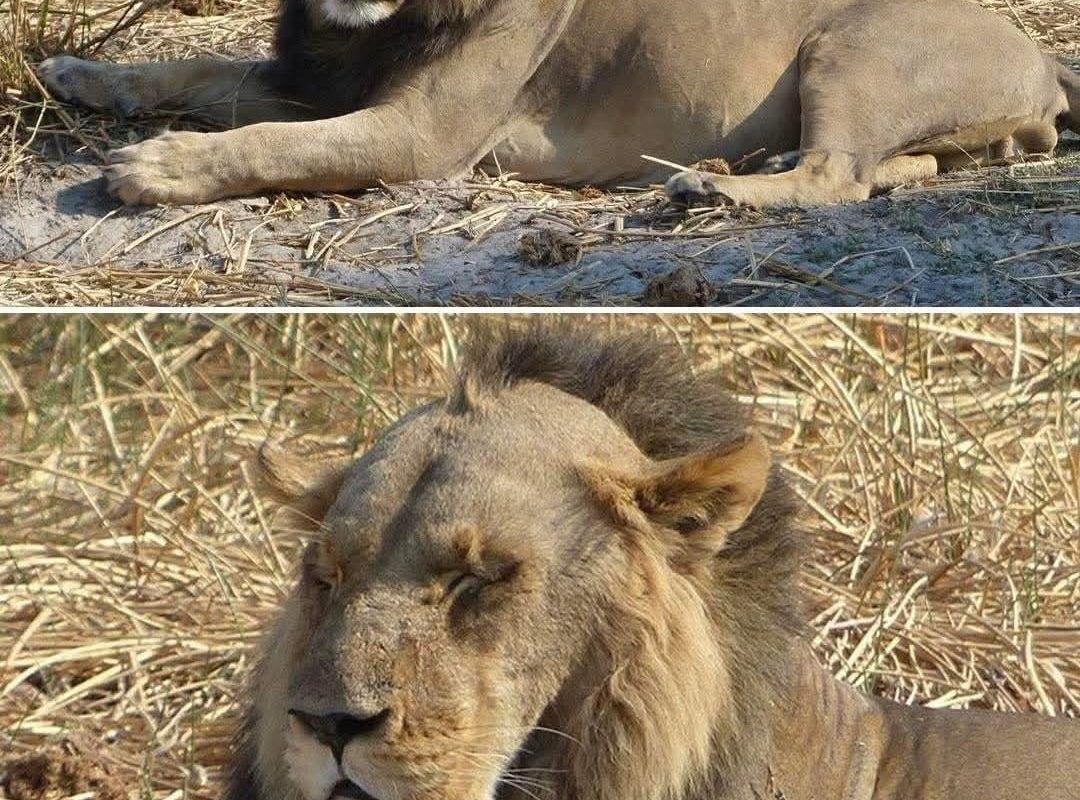
Didn’t know lions could go bald too!
Title: Wait, Lions Can Go Bald? The Surprising Truth About Alopecia in the Animal Kingdom’s Most Majestic Predator
When you picture a lion, the first image that comes to mind is a regal creature crowned with a lush, flowing mane. But what if we told you that lions, like humans, can also suffer from hair loss? Bald lions are more than just an oddity—they’re a fascinating intersection of biology, health, and wildlife conservation. Here’s what you need to know about this jaw-dropping phenomenon.
The Mane Event: Why Hair Loss in Lions Is So Shocking
Lions are symbols of power, and their manes play a starring role. A thick, dark mane signals strength, health, and dominance to rivals and potential mates. So when a lion loses its iconic fur, it’s more than cosmetic—it’s a red flag for underlying issues. While rare, baldness in lions has been documented both in the wild and captivity, leaving researchers and wildlife enthusiasts stunned.
Why Do Lions Go Bald? The Top Causes
-
Mange Mites (Sarcoptic Mange)
The most common culprit behind bald patches is a parasitic skin infestation caused by tiny Sarcoptes scabiei mites. These pests burrow into the skin, triggering intense itching, inflammation, and hair loss. Severe cases leave lions with patchy fur, cracked skin, and weakened immunity. Outbreaks are often linked to drought or habitat stress, which compromise immune systems. -
Fungal Infections (Dermatophytosis)
Just like humans, lions can contract ringworm or other fungal infections. These create circular bald patches and scaly skin, though they’re less common than mange. -
Genetic Mutations or Hormonal Imbalances
Some captive lions have been observed with thinning manes or total baldness due to recessive genes or hormonal shifts, much like male-pattern baldness in humans. -
Stress-Induced Alopecia
Environmental stressors—like overcrowding in reserves, human encroachment, or lack of prey—can lead to hair loss. Chronic stress weakens the body, making lions more vulnerable to infections and fur loss.
Real-Life Cases: Famous Bald Lions That Made Headlines
- The Tsavo “Maneless” Lions
Lions in Kenya’s Tsavo region are known for sparse or absent manes—studies suggest this is an evolutionary adaptation to the area’s thorny bushes and extreme heat. - Rescued Circus Lions
In 2020, 33 lions rescued from South American circuses arrived at a sanctuary in South Africa with severe mange, leaving many almost entirely bald. After months of treatment, their fur grew back. - Zoo Lions with Alopecia
Captive lions in zoos worldwide have occasionally exhibited baldness, prompting investigations into diet, enclosures, and genetic diversity.
The Ecological Impact: Why Baldness Matters for Conservation
Bald lions aren’t just oddities—they’re indicators of ecosystem health. Mange epidemics often flare up in drought-stricken regions where malnutrition and weakened immunity run rampant. By studying these cases, conservationists gain insights into:
- Habitat degradation and climate change effects.
- Disease transmission between wildlife, livestock, and humans.
- The success of rewilding and rehabilitation efforts.
Can a Bald Lion Survive in the Wild?
Surprisingly, yes—if the underlying cause isn’t fatal. Lions with mange may struggle to hunt or defend territory due to energy loss and pain. However, treatment (like anti-parasitic medication delivered via darting) can reverse symptoms. In captivity, baldness is often manageable with veterinary care.
Key Takeaways: Separating Myth from Reality
- ✅ Fact: Lions can lose their fur due to parasites, genes, or stress.
- ❌ Myth: Bald lions are “weak” or doomed—many recover fully.
- 💡 Surprise: Baldness might even help some lions adapt (e.g., Tsavo’s heat-resistant maneless males).
How You Can Help Protect Lions Against Hair Loss (and Extinction)
While baldness is often temporary, lions face bigger threats—habitat loss, poaching, and human conflict. Support conservation through:
- Donating to reputable wildlife orgs (Panthera, WWF, Lionscape Coalition).
- Choosing eco-tourism operators that fund anti-poaching units.
- Spreading awareness about lion conservation—starting with sharing stories like this!
Final Roar: The Bigger Picture
Bald lions remind us that even nature’s most iconic creatures aren’t invincible. Their struggles mirror broader challenges in wildlife conservation. By understanding these anomalies, we deepen our empathy and commitment to protecting the king of beasts—mane or no mane.
FAQ: Quick Questions About Bald Lions
Q: Has a lion ever been completely hairless?
A: Extremely rare, but yes—severe mange can cause near-total baldness.
Q: Can lions regrow their manes?
A: Yes! With treatment, most regain their fur within months.
Q: Do bald lions lose status in prides?
A: Possibly—a thinning mane may signal poor health, affecting dominance.
Q: Are humans at risk from lion mange?
A: Sarcoptic mange is zoonotic but treatable in humans. Avoid direct contact with infected animals.
Optimized Keywords: bald lions, lion alopecia, lion mange, Tsavo maneless lions, lion hair loss, wildlife diseases, lion conservation
Meta Description: Did you know lions can go bald? Discover the shocking causes behind lion hair loss—from mange mites to genetics—and what it means for conservation.