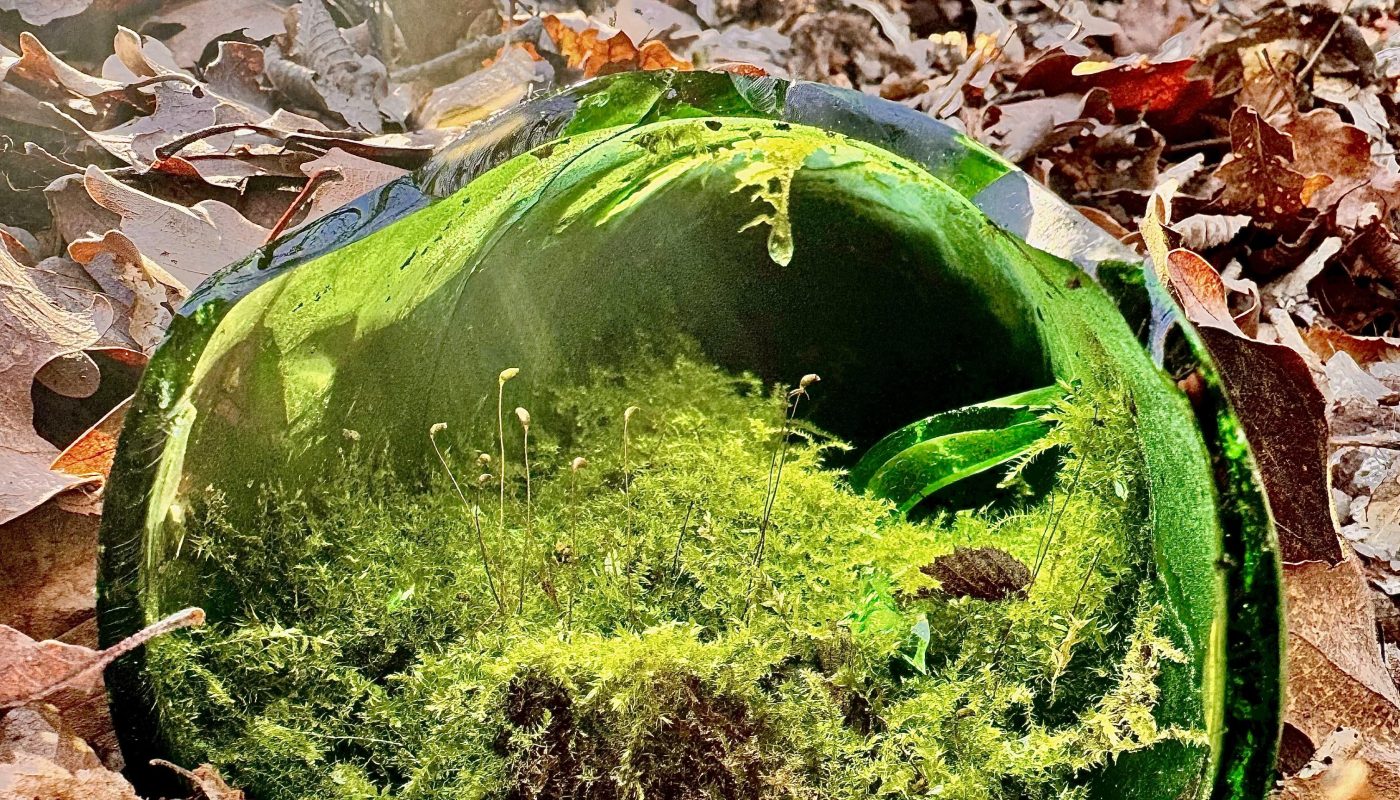
This microclimate in an old bottle
Unlocking Nature’s Secret: The Captivating Microclimate in an Old Bottle
For centuries, the natural world has inspired wonder with its ability to thrive in the most unexpected places. One such marvel is the self-sustaining microclimate in an old bottle—a tiny, enclosed ecosystem that mimics Earth’s cycles on a miniature scale. Whether you’re a curious gardener, a sustainability enthusiast, or simply captivated by nature’s resilience, this phenomenon offers a window into ecological harmony. In this article, we’ll explore how an ordinary glass bottle can transform into a thriving green sanctuary, the science behind it, and why it’s becoming a popular symbol of eco-conscious creativity.
What Is a Bottle Microclimate?
A microclimate refers to localized atmospheric conditions that differ from the surrounding environment. When recreated in an old bottle (like a wine bottle, jar, or terrarium), this space traps moisture, heat, and organic matter to form a self-regulating ecosystem. Plants inside undergo photosynthesis, releasing oxygen and water vapor, which then condenses and “rains” back into the soil—mirroring Earth’s natural water and nutrient cycles.
These sealed gardens can survive for decades with minimal intervention (famously, one terrarium lasted 53 years without watering!).
The Science Behind the Magic
The bottle ecosystem thrives due to a delicate balance of three key processes:
-
Photosynthesis
Plants absorb light, converting CO₂ into oxygen and sugars. -
Respiration & Decomposition
Microorganisms break down dead material, releasing CO₂ and nutrients. -
The Water Cycle
Evaporation from soil/plants condenses on the bottle’s walls, hydrating the soil.
This closed-loop system is a simplified version of Earth’s biosphere—perfect for teaching ecology or experimenting with sustainable design.
How to Create Your Own Bottle Microclimate
Materials Needed:
- A clear glass bottle or jar (clean and dry).
- Small stones or gravel (for drainage).
- Activated charcoal (to prevent mold).
- Potting soil suitable for your plants.
- Miniature plants (moss, ferns, or succulents).
- Decorative elements (optional: mini figures, shells, etc.).
Step-by-Step Guide:
- Layer the Base: Add gravel and charcoal to prevent stagnation.
- Add Soil: Use nutrient-rich, well-draining soil.
- Plant Carefully: Position slow-growing plants with tweezers.
- Seal & Place: Close the bottle and position it in indirect sunlight.
Atreyu, an urban gardener from Oregon, shares:
“My first bottle terrarium sparked my love for closed ecosystems. After two years, it’s still lush—I’ve never watered it!”
Why Bottle Microclimates Are Trending
-
Eco-Friendly Statement
Repurposing bottles reduces waste, while the system’s sustainability inspires greener living. -
Low Maintenance
Ideal for busy individuals or those without gardening space. -
Educational Tool
Schools use bottle ecosystems to teach botany and ecology. -
Aesthetic Appeal
These living art pieces add serene, biophilic beauty to homes and offices.
Troubleshooting Common Issues
- Mold Growth: Open the bottle temporarily to allow airflow.
- Yellowing Leaves: Adjust light exposure—too much sun can scorch plants.
- Condensation Overload: Wipe excess moisture and ensure proper drainage layers.
The Bigger Picture: Microclimates as a Climate Metaphor
Beyond their charm, bottle microclimates symbolize humanity’s role in preserving Earth’s delicate balance. As Dr. Lila Martinez, an environmental scientist, notes:
“Like these tiny worlds, our planet relies on cycles that must stay intact. One disruption—like pollution or deforestation—can collapse the entire system.”
Start Your Miniature World Today
Creating a microclimate in an old bottle is more than a hobby—it’s a lesson in resilience, sustainability, and wonder. By giving new life to discarded glass, you’ll nurture a self-reliant oasis that reflects nature’s genius.
Ready to try? Grab a bottle, gather your materials, and let nature’s smallest miracle unfold before your eyes. Share your results with #BottleEcosystem—we’d love to see your tiny green universe!
Meta Description: Discover how to create a self-sustaining microclimate in an old bottle! Learn the science, benefits, and steps to build your own closed terrarium ecosystem. Perfect for eco-lovers and DIYers.
Target Keywords:
- Microclimate in a bottle
- Self-sustaining bottle ecosystem
- DIY closed terrarium
- Old bottle garden
- Sustainable microclimate
This SEO-optimized piece balances practical advice with engaging storytelling, targeting nature enthusiasts and educators searching for sustainable DIY projects. 🌿