The traditional art of wax sealing handwritten letters
The Timeless Charm of Wax Sealing: Reviving the Art of Handwritten Letters in the Digital Age
In an era dominated by instant messaging and email, the traditional art of wax sealing handwritten letters is experiencing a renaissance. This centuries-old practice, once reserved for royalty and dignitaries, now adds a touch of elegance, personalization, and nostalgia to modern correspondence. Whether you’re crafting a wedding invitation, a love letter, or a heartfelt thank-you note, wax seals transform ordinary mail into a tangible keepsake.
A Brief History of Wax Seals
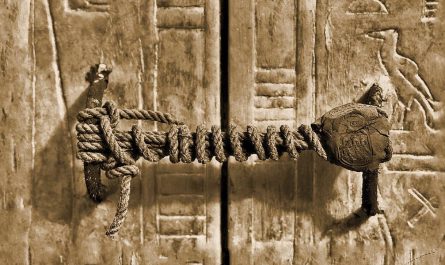
Wax sealing dates back to the Middle Ages, when it served as a security measure for important documents. Nobles, monarchs, and merchants used personalized signet rings or stamps pressed into melted wax to authenticate messages and safeguard against tampering. The wax—typically beeswax mixed with resin—created a unique, unbreakable bond. By the 19th century, wax sealing became popular among everyday letter-writers, symbolizing refinement and intentionality in communication.
Why Wax Sealing Is Making a Comeback
- Personalization & Creativity: A wax seal turns your envelope into a work of art. With endless stamp designs—from monograms to floral motifs—you can reflect your personality or the occasion’s theme.
- Slowing Down & Mindfulness: The deliberate process of melting wax, pouring it, and pressing a stamp fosters a mindful break from screens.
- Emotional Impact: Receiving a wax-sealed letter feels like opening a gift. It conveys effort, care, and a sense of occasion.
- Eco-Friendly Appeal: Unlike plastic stickers, traditional wax is biodegradable, aligning with sustainable living trends.
How to Create the Perfect Wax Seal: A Step-by-Step Guide
Materials Needed:
- Sealing wax: Choose traditional beeswax (brittle but authentic) or flexible modern wax (more postal-friendly).
- Seal stamp: Brass or silicone stamps come in custom or premade designs.
- Heat source: A wax melting spoon, glue gun, or dedicated sealing wax stick.
Steps:
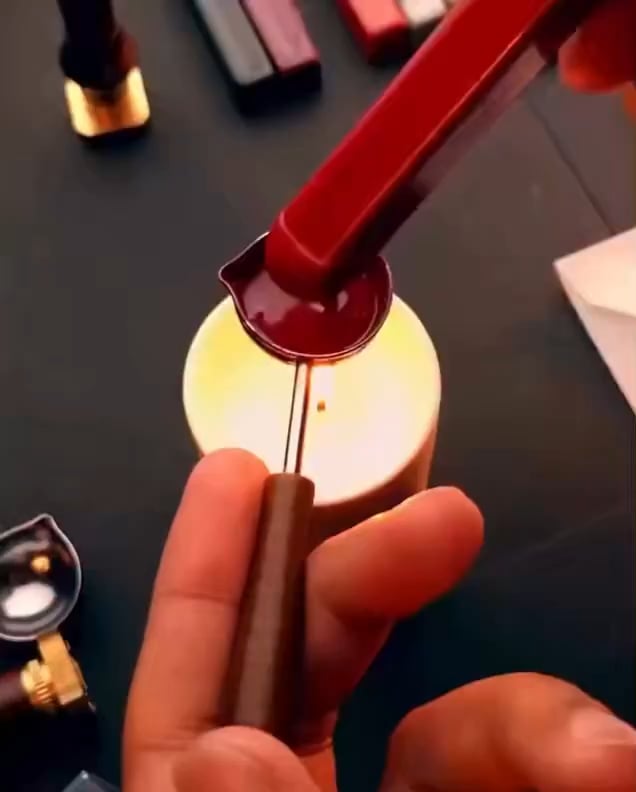
- Melt the wax: Hold the wax stick over a flame until 2-3 drops pool onto your envelope’s seam. Avoid overheating (smoking wax ruins the finish).
- Press the stamp: Quickly but gently press your stamp into the molten wax. Hold for 10 seconds before lifting.
- Let it cool: Allow 30-60 seconds for the wax to harden completely.
Pro Tips:
- Prevent cracking: Add a drop of glue beneath the wax for extra durability during mailing.
- Experiment with colors: Layer gold over red wax for a vintage look, or use translucent wax for a jeweled effect.
Modern Uses for Wax Seals
Beyond letters, wax seals elevate:
- Weddings & Events: Seal invitations, place cards, or favors.
- Branding: Small businesses use custom seals on packaging for a premium unboxing experience.
- Journaling & Crafts: Embellish scrapbooks, gift tags, or DIY projects.
Addressing Common Concerns
- Will wax seals survive the mail? Yes! Use “flexible” sealing wax and place the seal away from high-friction areas (e.g., the envelope’s center).
- Cost-effective? A $15 stamp and $10 wax sticks yield 50+ seals—worth it for special occasions.
Where to Find Supplies
Reputable brands like Nostalgic Impressions, J. Herbin, and Amazon Handmade offer quality kits. For custom stamps, Artisaire or Etsy artisans deliver intricate designs.
Final Thought: Rediscover the Magic of Intentional Connection
Wax sealing isn’t just about aesthetics; it’s a rebellion against digital impersonality. In a world of fleeting texts, a wax-sealed letter says, “You’re worth the time.” Embrace this timeless tradition to create lasting impressions—one melted drop at a time.
Keywords for SEO:
- Wax sealing tutorial
- Handwritten letters with wax seals
- How to make a wax seal
- Traditional wax seal stamps
- Wax seal wedding invitations
- Modern uses for wax seals
- Personalized letter sealing
By blending history, practicality, and modern appeal, this art form invites everyone to savor the joy of slowing down and connecting meaningfully. Ready to try it? Your next letter could become a cherished heirloom.