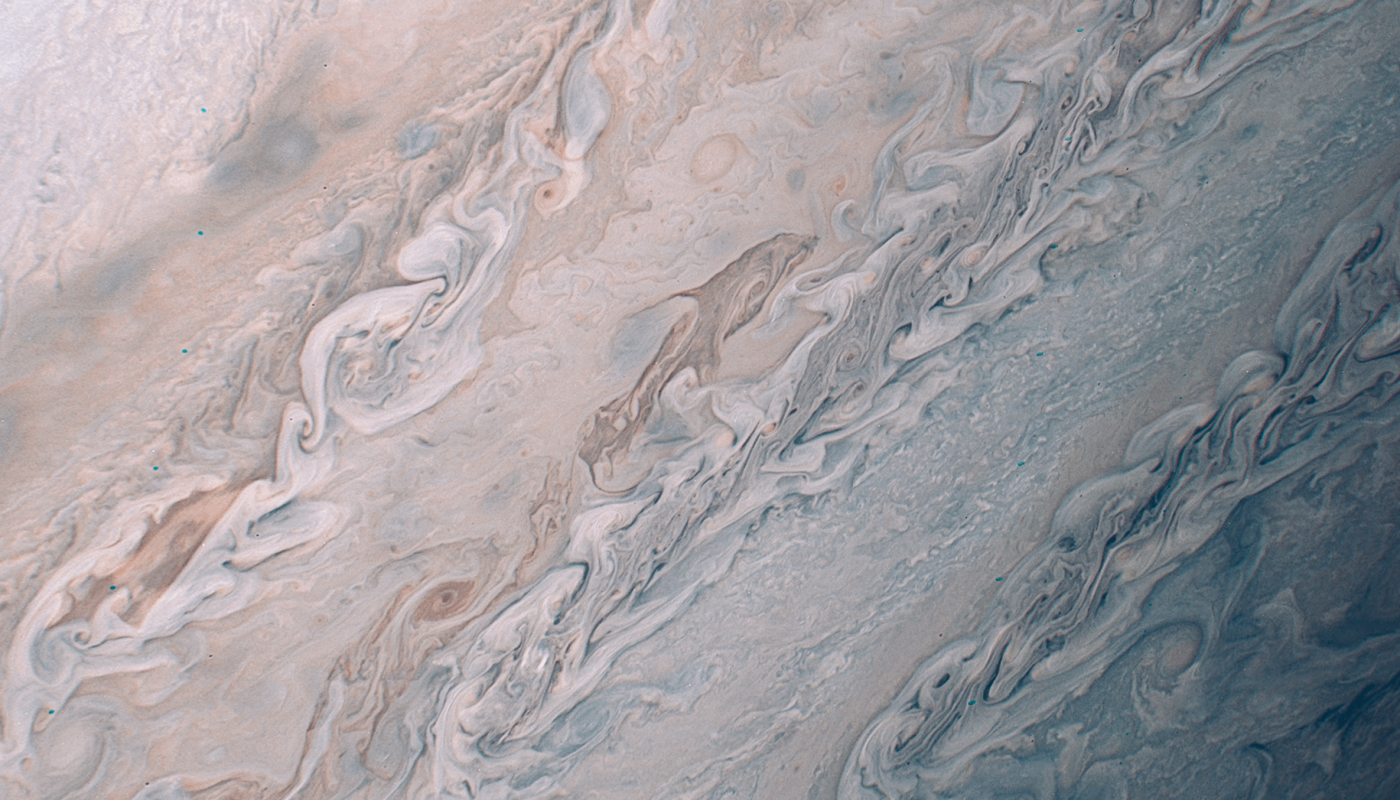
The Dolphin on Jupiter
Title: The Dolphin on Jupiter: Unveiling the Mysterious Cloud Formation Captured by NASA
Meta Description: Discover the fascinating story of the dolphin-shaped cloud on Jupiter, captured by NASA’s Juno spacecraft. Explore the science behind this stunning celestial phenomenon.
The Dolphin on Jupiter: A Stunning Cosmic Mirage
In 2018, NASA’s Juno spacecraft delivered an extraordinary image to Earth—a massive cloud formation on Jupiter that uncannily resembled a dolphin swimming through the gas giant’s turbulent atmosphere. This captivating sight quickly went viral, sparking curiosity about how such a whimsical shape could arise on our solar system’s largest planet. In this article, we’ll dive into the science behind the “dolphin on Jupiter,” Jupiter’s atmospheric secrets, and why this phenomenon fascinates scientists and space enthusiasts alike.
What Is the Dolphin on Jupiter?
The “dolphin” is not an actual creature, of course, but a striking example of pareidolia—the human tendency to recognize familiar shapes in random patterns. Captured during Juno’s 16th close flyby of Jupiter (Perijove 16), the image revealed swirling clouds of ammonia and water ice arranged in a shape reminiscent of a leaping dolphin. The structure stretched thousands of kilometers across Jupiter’s South Temperate Belt, one of the planet’s many stormy cloud bands.
Key Facts:
- Location: Jupiter’s South Temperate Belt.
- Size: Larger than Earth’s continents.
- Composition: Ammonia, water ice, and trace chemicals.
- NASA Source: Image processed by citizen scientists using JunoCam raw data.
The Science Behind Jupiter’s Atmospheric Art
Jupiter’s atmosphere is a chaotic canvas of vortex storms, jet streams, and colorful clouds. The dolphin-like formation arose from complex interactions between opposing atmospheric currents:
- Jet Stream Dynamics: Jupiter’s fast-moving jet streams (reaching 360 km/h) shear cloud layers, creating eddies and whirlpools.
- Chemical Cocktail: The planet’s clouds contain compounds like ammonium hydrosulfide, which create creamy whites, deep reds, and browns.
- Stability and Chaos: Unlike Earth’s short-lived weather systems, Jupiter’s storms can last centuries. However, smaller features like the dolphin are transient, shaped by turbulence.
The dolphin vanished within weeks, reminding us of the ephemeral beauty of gas giants.
How NASA’s Juno Mission Captured the Dolphin
Launched in 2011, NASA’s Juno spacecraft has revolutionized our understanding of Jupiter. Using instruments like JunoCam—a public-engagement camera—it captures high-resolution images of the planet’s poles and cloud tops. Citizen scientists worldwide process Juno’s raw data, often revealing surprises like the dolphin.
Why Juno’s Work Matters:
- Studies Jupiter’s gravity, magnetic field, and deep atmosphere.
- Investigates the planet’s origins, helping us understand solar system formation.
- Showcases collaborative science via public data sharing.
Jupiter’s Weather: More Than Just a Dolphin
While the dolphin became a viral sensation, Jupiter hosts even grander atmospheric marvels:
- The Great Red Spot: A 400-year-old storm larger than Earth.
- Polar Cyclones: Gigantic, geometric storm clusters at the poles.
- Folding Cloud Chains: Ribbon-like structures caused by wind shear.
These phenomena occur because Jupiter lacks a solid surface—its atmosphere behaves like a fluid on steroids, with heat surging from the planet’s core driving relentless storms.
FAQs About the Dolphin on Jupiter
1. Is the dolphin on Jupiter real?
Yes, but it’s not a living being—it’s a fleeting cloud arrangement enhanced by image processing.
2. Could such shapes form on other planets?
Absolutely! Neptune and Saturn also exhibit turbulent atmospheres where pareidolia occurs.
3. Why study Jupiter’s clouds?
They reveal insights into planetary physics, climate modeling, and even exoplanet behavior.
Conclusion: The Cosmic Dance of Beauty and Science
The dolphin on Jupiter is a mesmerizing reminder of nature’s artistry—a blend of chaos and creativity sculpted by physics. As Juno continues its mission, we can expect more breathtaking discoveries from Jupiter’s stormy skies. For now, the dolphin remains a symbol of the universe’s boundless wonders and humanity’s thirst for exploration.
SEO Keywords: Dolphin on Jupiter, Juno spacecraft, Jupiter clouds, NASA Juno mission, Jupiter atmosphere, pareidolia in space, Jupiter weather, gas giant storms, celestial phenomena.
Image Alt Text Suggestions:
- “Dolphin-shaped cloud formation in Jupiter’s South Temperate Belt, captured by NASA’s Juno spacecraft.”
- “Artistic rendering of Jupiter’s turbulent atmosphere with the dolphin cloud formation highlighted.”
By weaving science with wonder, this article answers both curious minds and search engines. Share it to inspire others with the magic of our solar system!