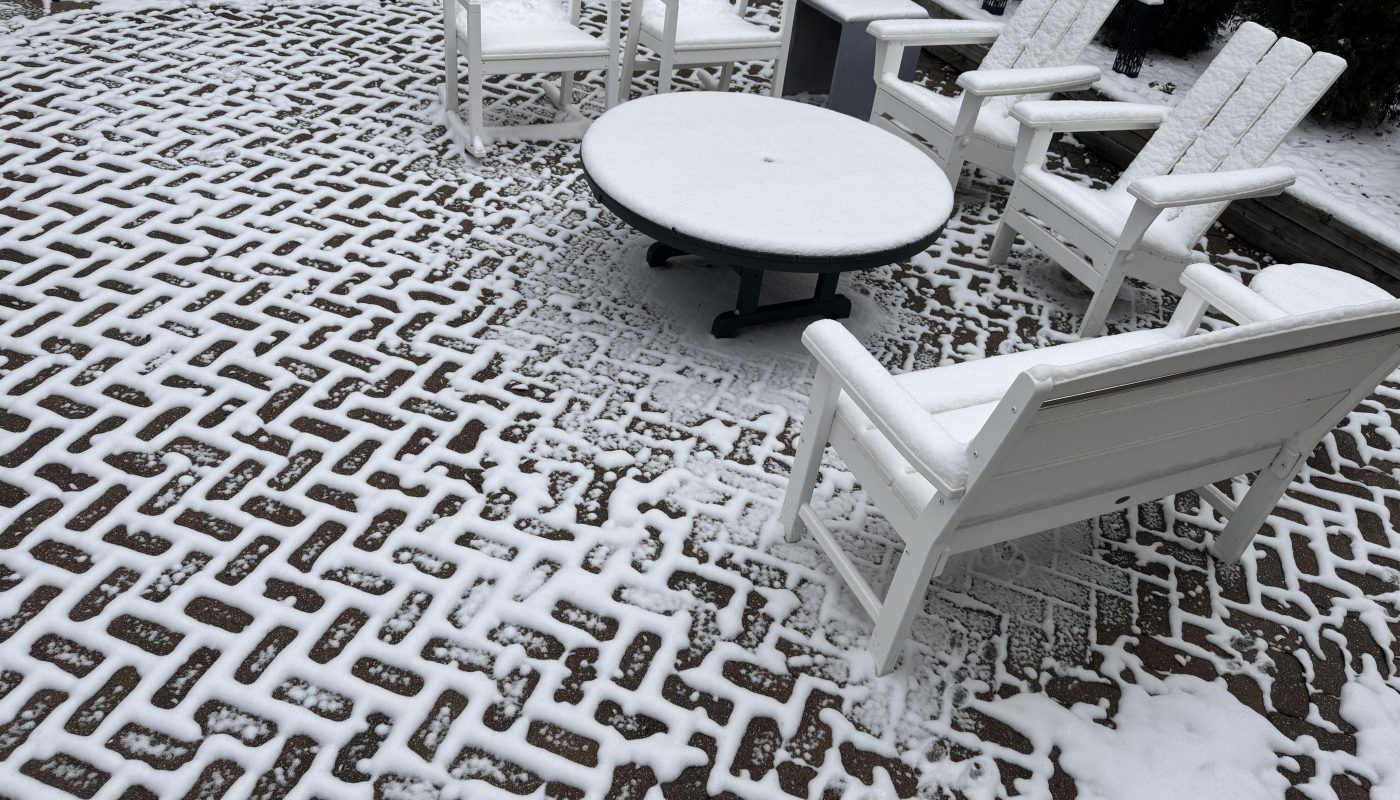
The way the snow formed around these brick pavers
The Captivating Science of Snow Formation Around Brick Pavers
Winter transforms landscapes into serene masterpieces, and few scenes capture this magic quite like snow delicately forming around brick pavers. Whether it’s a winding garden path, a charming patio, or an old-world driveway, the patterns created by snow nestling into the crevices of brickwork can feel almost artistic. But this phenomenon isn’t just picturesque—it’s driven by fascinating science and practical considerations. In this article, we’ll explore how snow interacts with brick pavers, why it forms unique shapes, and tips for maintaining these surfaces in cold weather.
Why Snow Behaves Differently Around Brick Pavers
Brick pavers aren’t your average flat surface. Their unique material properties and installation style create microenvironments that influence snow accumulation and melting. Here’s what sets them apart:
-
Thermal Mass & Heat Retention
Bricks absorb and retain heat longer than concrete, asphalt, or soil due to their dense clay composition. Even in freezing temperatures, bricks may release residual warmth, causing nearby snow to melt slightly before refreezing. This creates irregular layers of snow and ice, especially near paver edges. -
Texture & Surface Irregularities
The rough, porous texture of bricks creates tiny pockets where snow crystals accumulate more easily. Unlike smooth surfaces (e.g., poured concrete), pavers “grip” snowflakes, allowing drifts to build vertically rather than spread thinly. -
Gaps Between Pavers
Joints filled with sand or polymeric material trap cold air, preventing heat transfer from the ground below. Snow settles into these gaps first, forming ridges that highlight the pavers’ geometric patterns. -
Contrast With Surroundings
Darker bricks absorb sunlight faster than lighter surfaces (like snow-covered grass), leading to uneven melting. This contrast often creates a striking “outline” effect where pavers peek through the snow.
Common Snow Patterns Around Brick Pavers
Observe closely, and you’ll notice these recurring snow formations:
- Ridges in Gaps: Snow compacts into joints between pavers, resembling miniature walls.
- Uneven Melting Patches: Darker bricks melt snow faster, creating a mosaic of bare spots and lingering frost.
- Wind-Driven Crescents: On exposed paths, wind carves curved snowdrifts against paver edges.
- Icicle Framing: Meltwater from pavers drips into joints and freezes, forming delicate icicles along gaps.
Practical Implications: Safety & Maintenance
While visually stunning, snow on brick pavers can present challenges. Here’s how to manage it:
Safety First
- Slip Hazards: Melt-refreeze cycles create icy patches that hide beneath fresh snow. Use calcium magnesium acetate (CMA) instead of rock salt, which can erode brick and joint sand.
- Tripping Risks: Accumulated snow in gaps can disguise uneven surfaces. Shovel promptly to maintain visibility.
Winter Care Tips
- Seal Pavers in Fall: A quality sealant reduces water absorption, minimizing freeze-thaw damage and joint erosion.
- Use the Right Tools: Opt for a plastic shovel or snowblower with rubber paddles to avoid scratching brick surfaces.
- Clear Snow Strategically: Remove snow before it compacts into joints. A gentle sweep can prevent ice dams in gaps.
- Address Ice Wisely: Apply pet-safe deicers sparingly, or use sand for traction. Never chip ice with metal tools—this can fracture bricks.
Embracing the Beauty of Winter Brickwork
Snow-clad brick pavers aren’t just functional—they’re a canvas for nature’s artistry. The interplay of texture, temperature, and light creates ever-changing scenes, from frost-kissed morning patterns to glittering evening mosaics. For photographers and designers, this effect is pure inspiration.
Even homeowners can lean into the aesthetic:
- Lighting: Install subtle path lighting to highlight snow’s sculptural shapes after dark.
- Contrast: Choose brick colors (e.g., deep reds or charcoal) that pop against white snow.
- Landscaping: Surround pavers with evergreen shrubs or ornamental grasses to amplify winter charm.
Final Thoughts
The way snow forms around brick pavers is a beautiful reminder of how human-made structures interact with the natural world. By understanding the science behind it, you can better appreciate these seasonal designs while protecting your hardscape investment. Whether you’re shoveling a walkway or simply admiring the view, remember: those frozen contours tell a story of physics, craftsmanship, and the quiet magic of winter.
Keywords for SEO: snow formation on brick pavers, winter paver maintenance, icy brick pathways, how snow interacts with pavers, safe snow removal for brick, why snow melts unevenly on bricks, winter landscaping with pavers.