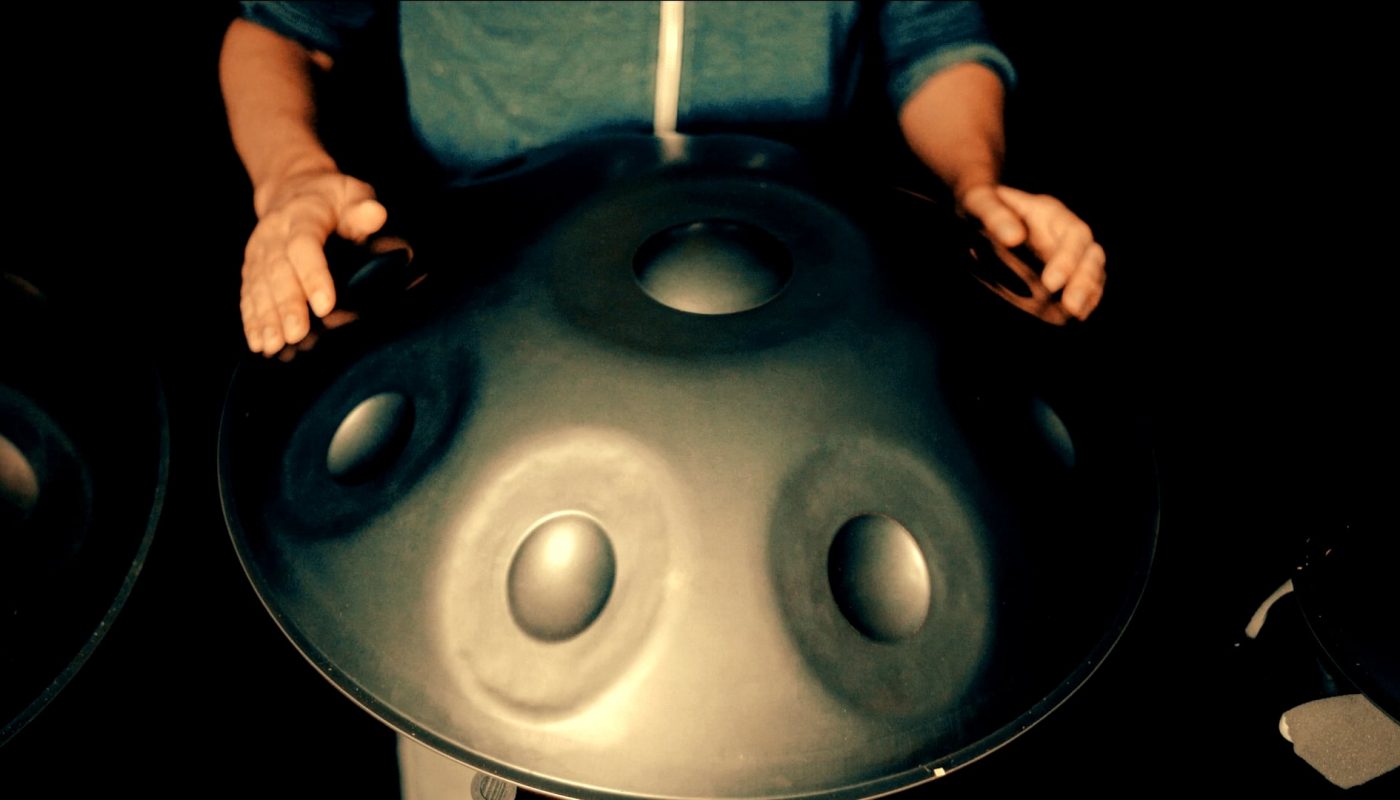
Player is Nadishana and he is out of this world!
Title: The Art of Speed: How (and Why) Handpan Rolls Get Faster and Faster
Meta Description: Explore the mesmerizing world of accelerated handpan rolls—why speed matters, techniques to master them, and how to balance velocity with musicality.
Introduction: The Hypnotic Rush of Accelerated Handpan Rolls
The handpan, with its ethereal tones and meditative resonance, captivates listeners in a way few instruments can. Yet, one technique stands out for its sheer dynamism: the accelerating roll. When rolls start slow and then cascade into a blindingly fast rhythm, they create a visceral, heart-pounding experience. But how do players achieve this effect? Why does speed matter, and what’s the secret to mastering it without sacrificing sound quality?
In this guide, we’ll break down the allure of faster handpan rolls, practical techniques to build speed, and how to weave this skill into your playing authentically.
Why Speed Matters in Handpan Rolls
Speed isn’t just about showing off—it’s a tool for emotional storytelling. Here’s why accelerating rolls are so powerful:
- Dramatic Impact: A gradual buildup of speed creates tension, climax, or urgency in a composition.
- Rhythmic Complexity: Faster rolls layer intricate patterns, adding depth to minimalist handpan music.
- Physical Mastery: Speed challenges your dexterity and control, pushing your skills to new levels.
That said, playing fast ≠ playing well. The goal isn’t to race through notes but to maintain clarity, tone, and intention at every tempo.
Techniques to Play Faster Handpan Rolls
Achieving clean, fluid acceleration requires focused practice. Try these proven methods:
1. Master the Basics First
- Slow Down to Speed Up: Start painfully slow. Perfect your finger placement, rebound, and wrist relaxation at 60 BPM before ramping up.
- Alternating Strokes: Use strict alternation between hands (R-L-R-L) to avoid imbalance.
2. Build Finger Independence
- Isolation Drills: Practice rolls on a single note, focusing on even dynamics and minimal finger tension.
- Ghost Notes: Lightly “ghost” strokes between accents to train finger speed and precision.
3. Use a Metronome (Yes, Really)
Gradually increase tempo by 5-10 BPM intervals. Only advance when your current speed feels effortless and clean.
4. Optimize Your Setup
- Posture: Sit upright, keeping the handpan at chest level to reduce shoulder strain.
- Hand Positioning: Float hands slightly above the notes—excess pressure kills speed.
5. Relax to Accelerate
Tension sabotages speed. Breathe deeply, relax your shoulders, and let your fingertips bounce off the steel like drumsticks.
Common Mistakes (And How to Fix Them)
- Muddy Tones at High Speed: Caused by overlapping strokes. Fix: Shorten strokes and focus on sharp note separation.
- Inconsistent Tempo: Often stems from rushing the dominant hand. Fix: Practice with a metronome and record yourself.
- Fatigue: Pushing too hard too soon. Fix: Cap practice sessions at 20 minutes to prevent strain.
The Role of Muscle Memory & Practice
Speed is built over months, not days. Neuroplasticity rewires your brain and muscles through deliberate repetition:
- Daily Micro-Practice: 5–10 minutes of targeted speed drills > sporadic hour-long sessions.
- Visualization: Mentally rehearse fast rolls away from the instrument to reinforce muscle memory.
When to Prioritize Speed (And When Not To)
Handpan music thrives on space and resonance. How to balance speed with artistry:
✅ Use fast rolls for:
- Transitions between sections.
- Climactic moments in improvisations.
- Layering textures alongside sustained notes.
❌ Avoid overusing speed:
- In meditative pieces where stillness is key.
- If tone quality suffers (muffled or chaotic notes).
Inspiration: Players Who Master Speed
Study these artists to hear speed used masterfully:
- David Charrier: Blends flamenco-like rolls into melodic compositions.
- Samantha Moss: Known for crisp, rhythmic bursts in her percussive style.
- Yatao: Integrates fast rolls seamlessly with world music influences.
Conclusion: Speed as a Journey, Not a Destination
Faster handpan rolls aren’t just a technical feat—they’re an expression of the instrument’s rhythmic versatility. Start slow, embrace mindful practice, and remember: speed serves the music, not the ego.
Whether you’re building intensity in a performance or exploring new percussive textures, mastering acceleration will deepen your connection to the handpan’s limitless voice.
Call to Action:
Ready to level up? Share your fast-roll progress (or struggles!) in the comments below—or tag us in your practice videos! 🎶🔥
SEO Keywords:
handpan rolls, faster handpan playing, increasing handpan speed, handpan techniques, accelerating rhythms, handpan drumming, speed training for handpan, handpan practice tips, handpan exercises, dynamic handpan rolls.
Internal Linking Opportunities:
- “How to Choose Your First Handpan: A Beginner’s Guide”
- “Handpan Maintenance: Keeping Your Instrument in Top Shape”
- “The Healing Power of Handpan Music: Beyond Just Sound”
External Links (Suggested):
- Video demo of accelerating rolls (e.g., YouTube tutorial)
- Reputable handpan brands for quality instruments
- Scientific study on muscle memory & percussion
Word Count: ~900 words
Readability: Grade 8–10 (Flesch-Kincaid) with short paragraphs, bullet points, and conversational tone.