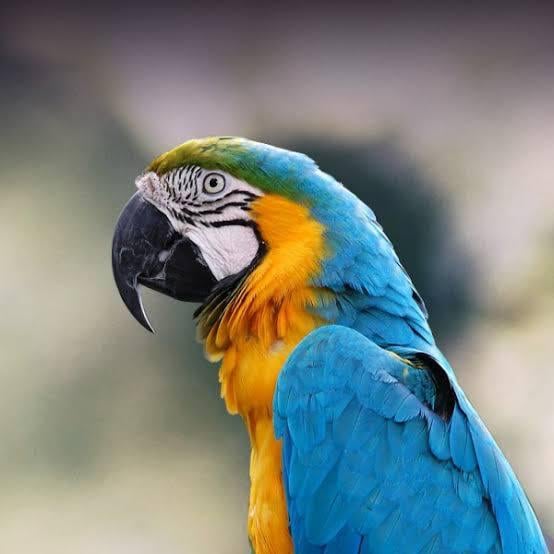
A parrot’s claw is actually zygodactyl.
A Parrot’s Secret Weapon: The Amazing Zygodactyl Claw Explained
Have you ever wondered how parrots effortlessly climb branches, shred toys, or hang upside-down with such precision? The secret lies in their remarkable feet—specifically, their zygodactyl claws. These uniquely adapted appendages are essential to a parrot’s survival and daily life. In this article, we’ll explore what makes zygodactyl claws so special, how they benefit parrots, and why this evolutionary trait is a marvel of nature.
What Does “Zygodactyl” Mean? Breaking Down the Claw Anatomy
Definition:
The term zygodactyl (pronounced zye-go-dactyl) comes from Greek roots: zygos (“pair”) and daktylos (“finger”). It describes a foot structure where two toes point forward and two toes point backward, forming an X-shaped grip. This arrangement is rare in the animal world but common among parrots, woodpeckers, owls, and toucans.
Parrot Claw Structure:
- Forward-facing toes: Digits #2 and #3 (like our index and middle fingers).
- Backward-facing toes: Digits #1 (hallux) and #4 (like an opposable thumb and pinky).
- Flexible & Strong: Each toe ends in a curved, sharp claw that can move independently for dexterity.
Why Are Zygodactyl Claws So Important for Parrots?
1. Masterful Gripping Power
Zygodactyl claws give parrots a superior grip, allowing them to securely grasp:
- Tree branches (essential for wild parrots navigating rainforests).
- Perches and toys in captivity.
- Food items like nuts, fruits, and seeds while eating.
2. Climbing & Acrobatics
Parrots are natural climbers, not fliers. Their X-shaped claws lock onto surfaces like built-in crampons, enabling:
- Vertical tree trunk climbing (similar to woodpeckers).
- Upside-down hanging to reach food or play.
- Quick lateral movements to evade predators.
3. Tool-Like Dexterity
Parrots famously use their feet as “hands.” With zygodactyl claws, they can:
Crack open nuts.
Manipulate toys or puzzles.
Groom feathers or scratch themselves.
4. Enhanced Balance
The wide, four-point stance stabilizes parrots on uneven surfaces, even while sleeping.
Evolutionary Advantages of Zygodactyl Claws
This unique foot structure evolved over millions of years to help parrots thrive in their natural habitats. Scientists believe zygodactyl feet gave early parrots an edge in three key areas:
- Arboreal Life: Gripping branches is vital for survival in dense forests.
- Foraging Efficiency: Handling hard-to-reach food boosted calorie intake.
- Predator Evasion: Quick climbing escapes improved survival rates.
Fun Fact: Unlike songbirds, which have three toes forward and one back (anisodactyl), parrots’ symmetrical grip makes them agile in complex environments.
Caring for a Pet Parrot’s Zygodactyl Claws
Because claws are central to a parrot’s well-being, proper care is crucial.
Tips for Healthy Claws:
✔️ Provide Varied Perches: Natural wood (different diameters) wears down claws and exercises foot muscles.
✔️ Trim Overgrown Nails: Safely file sharp tips to prevent snagging or injuries. Consult an avian vet if unsure.
✔️ Enrichment Activities: Ladders, ropes, and foraging toys encourage natural gripping behaviors.
Warning: Avoid sandpaper perches—they irritate sensitive feet!
Frequently Asked Questions
Q: Are all parrots zygodactyl?
A: Yes! Every parrot species—from tiny budgies to macaws—shares this trait.
Q: How is a zygodactyl foot different from a human hand?
A: While similar in dexterity, a parrot’s toes are stronger and lack individual “fingers.” Their grip relies on tendons and ligaments.
Q: Can parrots regrow damaged claws?
A: Minor breaks may heal, but severe injuries require vet care. Healthy diets (rich in biotin) support claw growth.
Fun Facts About Parrot Claws
🦜 Cold Feet? Unlike mammals, birds don’t sweat. Parrots regulate foot temperature through blood flow.
🦜 Left- or Right-Footed: Many parrots show “footedness” preferences, just like human handedness!
🦜 Sleepy Grip: A locking tendon mechanism lets parrots sleep perched without falling (even dead asleep!).
In Conclusion
A parrot’s zygodactyl claws are evolutionary masterpieces—tools for climbing, eating, playing, and surviving. Whether scaling the Amazon canopy or playing with toys in your living room, these specialized feet empower parrots to live life with agility and charm. Next time you watch a parrot snack, climb, or give you a high-five with its foot, take a moment to appreciate nature’s brilliant design!
Keywords for SEO: zygodactyl claws, parrot foot anatomy, what is zygodactyl, parrot gripping ability, bird claw types, parrot care tips, evolutionary adaptations in parrots, zygodactyl definition.
Image suggestion: Include a close-up of a parrot’s claw gripping a branch or toy to visualize the X-shaped structure.
By highlighting the science, function, and wonder behind zygodactyl claws, this SEO-friendly article targets bird lovers, pet owners, and nature enthusiasts while educating readers on a lesser-known avian marvel.