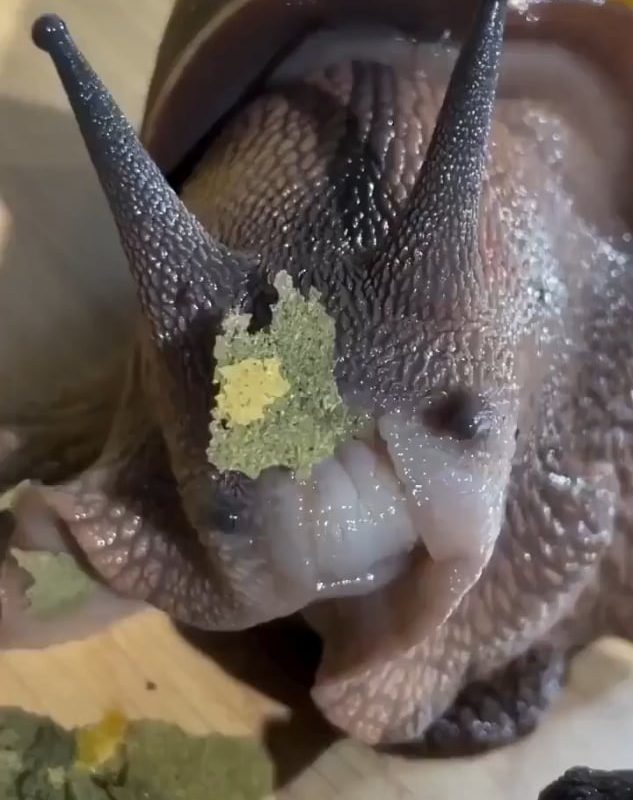
Snail eating a leafy snack
Title: The Slow & Steady Gourmet: Watch a Snail Savor a Leafy Snack (+ Diet Tips!)
Slug: snail-eating-leafy-snack-diet-tips
Meta Description: Ever wondered what’s on the menu for a snail? Discover the fascinating world of snail snacking, essential leafy greens for their diet, and why this slow feast matters.
The Slow Food Movement’s Tiny Champions: A Snail’s Leafy Delight
Watching a snail glide across a leaf, rasping away with its microscopic “radula” teeth, isn’t just oddly hypnotic—it’s a window into nature’s efficient recycling system and the delicate balance of a snail’s diet. Whether you’ve stumbled upon a garden snail nibbling spinach or keep pet snails, understanding their leafy cravings can deepen your appreciation for these gentle mollusks.
Why Leafy Greens? A Snail’s Natural Menu
Snails are herbivorous opportunists. In the wild, they thrive on decaying leaves, soft vegetation, algae, and fungi. Leafy greens provide:
- Hydration: High water content (e.g., cucumber, lettuce).
- Calcium: Vital for shell growth (kale, collard greens).
- Fiber: Supports digestion (spinach, dandelion leaves).
Fun Fact: Snails have thousands of tiny teeth on their radula! They scrape food like a living vegetable grater.
Top 5 Leafy Snacks Snails Love
Curious what to feed a pet snail—or what your garden visitor might be munching? These greens are snail-approved:
-
Romaine Lettuce
- Low in oxalates, high in moisture, easy to digest.
-
Kale
- Calcium-rich superstar for strong shells.
-
Spinach
- Offer sparingly (oxalates can hinder calcium absorption).
-
Dandelion Leaves
- Wild favorite packed with vitamins.
-
Cucumber
- Hydrating treat (but low nutrient value—think “snail junk food”).
Snail Snacking Etiquette: Tips for Happy Mollusks
Whether observing wild snails or caring for pets, follow these guidelines:
- Wash Greens Thoroughly: Pesticides are deadly to snails.
- Avoid Toxic Leaves: Onion, garlic, citrus, or anything chemically treated.
- Calcium Boost: Add crushed eggshells or cuttlebone to their habitat.
- Variety is Key: Rotate greens for balanced nutrition.
Pro Tip: Place leafy snacks in the evening—snails are nocturnal diners!
Beyond Leaves: The Full Snail Diet
While greens are staples, snails also enjoy:
- Vegetables: Zucchini, carrots (blanched).
- Fruits: Apples, berries (occasional treats—high sugar).
- Proteins: Occasional fish flakes or boiled egg (for protein).
Caution: Salt, citrus, processed foods, and starchy items (pasta, rice) are harmful.
Why Watch a Snail Eat? It’s Science (& Serenity)
Observing a snail’s meticulous grazing reveals:
- Ecosystem Roles: They recycle decaying matter into soil nutrients.
- Bioindicators: Healthy snails = healthy environment.
- Mindfulness: Their slow pace is a lesson in patience.
Conclusion: Celebrating the Snail’s Simple Feast
Next time you spot a snail on a leaf, take a moment to appreciate this tiny, tireless gardener—a champion of slow food and environmental balance. For pet owners, offering diverse, clean greens ensures your shelled friend thrives.
Call to Action:
📸 Capture your snail’s snack time! Share photos with #SnailGourmet on social media. Got questions? Drop them below!
Image Alt Text Suggestions:
- Garden snail eating a kale leaf with dewdrops.
- Close-up of a snail’s radula scraping lettuce.
- Pet snail habitat with calcium-rich cuttlebone and leafy greens.
Internal Links (if applicable):
- “How to Create a Snail-Friendly Garden”
- “The Ultimate Guide to Pet Snail Care”
External Sources:
Optimize this article for keywords like “pet snail diet,” “what do snails eat,” “snail-safe leafy greens,” and “snail eating habits” to attract wildlife enthusiasts, educators, and pet owners! 🐌🌿