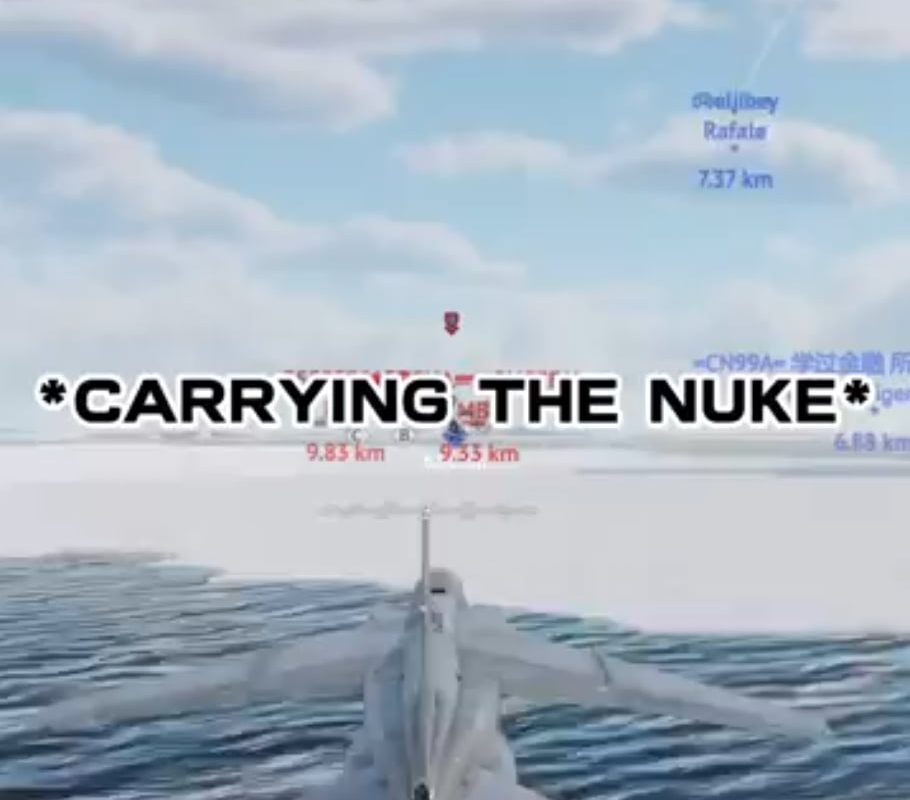
He sacrificed himself for the good of the team o7
He Sacrificed Himself for the Good of the Team o7: The Meaning Behind the Ultimate Act of Leadership
In gaming, sports, military operations, and even corporate workplaces, few phrases carry as much emotional weight as “He sacrificed himself for the good of the team—o7.” This statement, paired with the iconic “o7” salute, transcends digital culture to symbolize courage, selflessness, and unity. But what does it truly mean to sacrifice oneself for the team’s greater good? Why has the “o7” gesture become synonymous with honor in online communities?
In this article, we’ll break down the cultural significance of this powerful phrase, its origins, and why embodying this spirit can transform teams into unstoppable forces.
The Meaning Behind “He Sacrificed Himself for the Good of the Team o7”
At its core, this phrase celebrates an individual who willingly endures personal cost—failure, defeat, or literal “death” in a game—so their team can succeed. Examples include:
- A gamer holding off enemies in Fortnite so their squad can escape or complete an objective.
- A soldier taking point in a high-risk mission, knowing it increases their danger but protects their unit.
- A workplace leader owning a project’s failure publicly to shield their team from blame.
The “o7” is a salute emoticon born in gaming culture (e.g., EVE Online, World of Warcraft), where “o” represents the head and “7” is the arm and hand. Typing “o7” is a universal sign of respect, gratitude, and recognition for someone’s sacrifice.
Why Self-Sacrifice Matters in Team Success
1. Builds Unbreakable Trust
When someone prioritizes the team’s mission over personal gain, it signals loyalty and integrity. Teams that witness sacrifice instinctively rally around shared goals, fostering psychological safety.
2. Inspires a Culture of Reciprocity
A leader’s willingness to sacrifice sets a precedent. Members become likelier to support each other under pressure, creating a cycle of mutual aid.
3. Turns Setbacks Into Momentum
In gaming or real-world crises, a well-timed sacrifice can flip the script. Think of a League of Legends support dying to save their carry—enabling a comeback despite the loss.
4. Defines True Leadership
Sacrifice isn’t about reckless martyrdom; it’s strategic. Great leaders assess risks, decide when to step up, and ensure their actions actually benefit the team.
“o7” – More Than Just a Salute: The Origin of a Digital Tradition
The “o7” gesture began in military simulation games and MMORPGs (Massively Multiplayer Online Role-Playing Games) where teamwork was non-negotiable. Popularized by games like EVE Online, where poorly coordinated fleets could lose months of progress in seconds, players adopted “o7” to honor fallen comrades or commend heroic acts in chat.
Over time, its use spread to forums, Discord servers, and even professional settings (e.g., engineers signing off emails with “o7” after pulling all-nighters). It’s now shorthand for:
- “Your sacrifice was noticed.”
- “I respect your commitment.”
- “We’ll carry the torch forward.”
Balancing Sacrifice and Self-Preservation
While selflessness deserves recognition, sustainable teamwork requires balance:
- Avoid Toxic Martyrdom: Sacrificing too often breeds burnout or resentment. Successful teams distribute risks and rewards.
- Clarify Objectives: Ensure sacrifices align with an overarching strategy (e.g., “This blocker needs removal—even if I go down”).
- Recognize Contributions Publicly: Use “o7” or verbal praise to validate acts of courage.
The Legacy of Team-Oriented Sacrifice
From ancient warriors to eSports champions, stories of sacrifice resonate because they reflect humanity’s most noble trait: putting others first. Modern teams thrive when members embody this ethos with purpose—not out of obligation, but because they believe in something bigger than themselves.
So, the next time you type “o7” or witness someone holding the line for the team, remember: their decision ripples far beyond the moment. It’s a testament to what teams can achieve when we come before me.
o7 to the unsung heroes.
FAQ: Sacrifice and the “o7” Salute
Q: What does “o7” mean in gaming?
A: It’s an emoticon mimicking a salute, with “o” as the head and “7” as the arm/hand. It signifies respect for a teammate’s sacrifice or effort.
Q: Why do people say “he sacrificed himself for the team”?
A: It highlights someone willingly taking a hit (literal or metaphorical) to ensure team success—a hallmark of leadership.
Q: Can self-sacrifice backfire?
A: Yes, if it’s impulsive or devalues the individual. Effective sacrifices are calculated and purposeful.
Q: How do I encourage team-first thinking?
A: Model selflessness, recognize contributions publicly (“o7!”), and tie actions to shared goals.
Optimize your team’s potential by embracing the spirit of sacrifice—and never miss a chance to salute those who lead the way. o7 🫡
Meta Description: Learn the meaning behind “He sacrificed himself for the good of the team o7”—how selfless acts boosts team success & the origin of the iconic salute. Discover why leaders o7 matters.