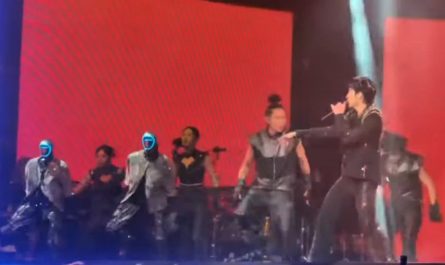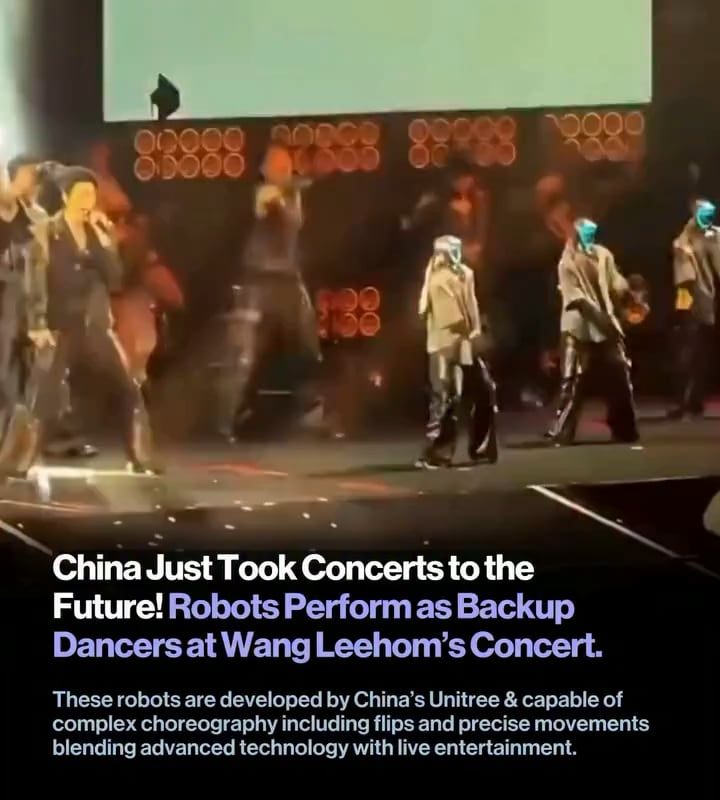
In China Robots Performing as a Backup Dancer at Concert
Meta Title: Robots Steal the Spotlight: How China is Revolutionizing Concerts with AI Backup Dancers
Meta Description: Discover how China is transforming live performances with AI-powered robotic backup dancers. Explore the technology, cultural impact, and futuristic shows captivating global audiences.
From Sci-Fi to Stage: How Robots are Revolutionizing Live Concerts in China
China’s entertainment industry is entering a bold new era where cutting-edge robotics and artificial intelligence (AI) are sharing the limelight with human performers. In a spectacle blending art and innovation, robotic backup dancers are now thrilling audiences at major concerts – from pop megastars to experimental performances. This fusion of technology and creativity isn’t just a gimmick; it signals a seismic shift in how live entertainment is produced and perceived globally.
China’s Robot Dance Revolution: From Labs to Concert Stages
In recent years, Chinese tech companies and entertainment producers have collaborated to create mesmerizing stage performances featuring precisely synchronized robotic dancers. These humanoid or abstract machines perform complex choreography with flawless timing, often alongside human performers, creating uncanny and visually stunning spectacles.
Key Examples Making Waves:
- BTS-Inspired “Meta-Concert” (Chengdu 2023): Robotic arms and humanoid bots mirrored K-pop choreography in a tribute concert, trending globally on social media.
- SNH48’s AI Partners: This Chinese idol group performed with custom-designed robot dancers that adapted movements in real time to audience energy.
- Tencent’s “Digital Human” Concerts: Fully virtual artists like Luo Tianyi perform alongside robot troupes, blurring reality and simulation.
The Technology Powering Robotic Performers
China’s leadership in AI and automation has propelled these performances beyond novelty into technical marvels:
1. Precision Choreography Systems
Robots are programmed using motion-capture data from professional dancers, enabling fluid, human-like movements. Alibaba’s DAMO Academy and Ubtech Robotics have pioneered software that converts dance routines into machine-readable code.
2. Real-Time Responsive AI
Advanced sensors and computer vision allow robots to react to live variables:
- Adjusting timing to match human performers’ tempo shifts
- Modifying movements based on stage topography or lighting
- Crowd interaction through gesture recognition (e.g., waving in response to cheers)
3. 5G-Powered Synchronization
Ultra-low latency 5G networks enable perfect synchronization across robot teams. Huawei partnered with China Mobile to deploy this at Guangzhou’s “5G Concert Series,” where 50+ robots danced without millisecond delays.
Why China is Leading the Stage Robotics Boom
Several factors position China at the forefront of this revolution:
- Government Tech Investment: Initiatives like “Made in China 2025” prioritize robotics and AI R&D.
- Post-Pandemic Innovation: Demand for contactless, visually dynamic performances surged after COVID-19.
- Cultural Ambition: Blending traditional performance arts (like synchronized group dances) with futuristic visuals resonates locally and markets well globally.
- Cost Efficiency: While initial investments are high, robots reduce long-term touring costs – no visas, fatigue, or scheduling conflicts.
The Impact: Reshaping Entertainment & Beyond
Audience Experience
- Visual Spectacle: Robots execute physically impossible moves – rapid spins, perfect formations, and gravity-defying lifts.
- Hybrid Performances: Artists like Jackson Wang interact with bots onstage, creating “man vs. machine” narratives.
Industry Transformation
- New Creative Roles: “Robot Choreographers” and AI scriptwriters are emerging careers.
- Sustainable Tours: Reduced travel for human backup dancers cuts carbon footprints.
Cultural Dialogue
Robotic performances reflect China’s vision of a tech-integrated future, sparking discussions about:
- Human replacement fears in creative fields
- The ethics of AI in arts
- Globalization of entertainment tech standards
Challenges Ahead
Despite the excitement, technical and cultural hurdles persist:
- High Costs: Custom robots cost $20,000-$100,000+ per unit.
- Movement Limitations: Fluid emotional expression remains challenging for machines.
- Audience Acceptance: Purists argue robots lack the “soul” of human dancers.
The Future: What’s Next for Robot Performers?
Industry experts predict explosive growth:
- 2025 Goal: China’s Ministry of Culture aims for 30% of major concerts to feature robotic elements.
- Hologram Integration: Combining robots with 3D holograms (like Hong Kong’s “ABBA Voyage” tribute).
- Audience Interaction: AI that generates unique dances based on live crowd moods using biometric data.
Final Takeaway:
China’s robotic backup dancers are more than a viral gimmick – they’re redefining the boundaries between human creativity and machine precision. As 5G, AI, and robotics advance, these electrifying collaborations will likely become standard in global entertainment, positioning China as the main stage for tomorrow’s performances. For artists and fans alike, the message is clear: the future of live entertainment is human and robot – and it’s dancing in perfect sync.