Beautiful Sunbeam Snake
Meta Title: Discover the Beautiful Sunbeam Snake: Nature’s Living Rainbow
Meta Description: Explore the stunning beauty, unique traits, and care of the Beautiful Sunbeam Snake (Xenopeltis unicolor). Learn about its iridescent scales, habitat, behavior, and more!
The Beautiful Sunbeam Snake: Nature’s Living Rainbow Revealed
The Beautiful Sunbeam Snake (Xenopeltis unicolor) is one of nature’s most mesmerizing reptiles, often described as a “living rainbow” for its jaw-dropping iridescence. A master of subterranean life, this non-venomous snake is shrouded in mystery yet captivates everyone lucky enough to glimpse its shimmering scales. Whether you’re a reptile enthusiast, a curious nature lover, or considering exotic pet ownership, this guide unveils everything about this radiant serpent.
What Is a Sunbeam Snake?
The Sunbeam Snake belongs to the genus Xenopeltis, a name meaning “strange shield” in Greek, referring to its unique scales. Found in Southeast Asia—including Thailand, Vietnam, Indonesia, and the Philippines—these snakes thrive in humid forests, rice fields, and marshes. Though elusive, their iridescent beauty makes them unforgettable.
Striking Physical Features
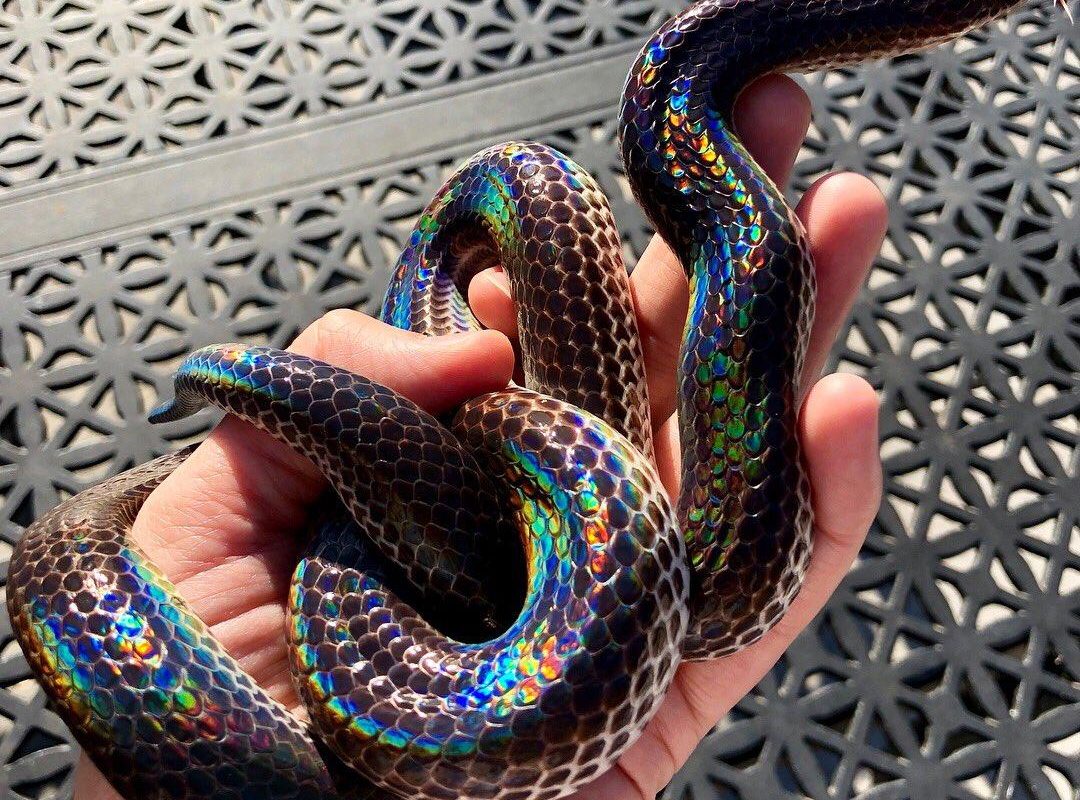
- Iridescence: The snake’s scales shimmer with metallic hues of blue, green, purple, and gold under sunlight. This optical illusion results from microscopic ridges on their scales that refract light—similar to a prism!
- Color & Size: Adults have smooth, chocolate-brown or black dorsal scales with a stark white underbelly. They grow 3–4 feet long on average.
- Head Shape: Their shovel-shaped heads aid in burrowing through soil.
Habitat & Behavior: The Secretive Burrower
Sunbeam Snakes are fossorial, spending most of their lives underground or hidden beneath leaf litter. Their strong bodies and conical heads let them “swim” through loose soil like earthworms.
- Nocturnal Lifestyle: Active at night, they hunt frogs, rodents, lizards, and even other snakes.
- Defensive Tactics: When threatened, they may coil tightly, vibrate their tails, or release a foul-smelling musk—though they rarely bite.
- Habitat Needs: They favor swampy areas, rainforests, and agricultural land with high humidity (70–80%) and temperatures of 75–85°F.
Diet & Hunting Strategy
As ambush predators, Sunbeam Snakes rely on stealth and speed:
- Prey: Frogs, small birds, lizards, rodents, and invertebrates.
- Hunting: They strike suddenly, constricting prey with muscular coils.
- Feeding Frequency: Juveniles eat weekly; adults eat every 10–14 days in captivity.
Reproduction: Egg-Laying Mysteries
Little is known about their wild breeding habits, but captive observations reveal:
- Mating Season: Occurs during rainy months.
- Egg Laying: Females lay 2–10 eggs, which hatch after 8–10 weeks.
- Hatchlings: Baby Sunbeams (6–8 inches long) flaunt the same iridescence as adults.
Conservation Status
The IUCN lists the Sunbeam Snake as Least Concern, but habitat destruction (deforestation, urbanization) threatens local populations. They’re also collected for the pet trade and traditional medicine.
Keeping a Sunbeam Snake as a Pet
While their beauty tempts many, Sunbeam Snakes are challenging pets due to their secretive nature and strict habitat needs.
Care Requirements
- Enclosure: A 40-gallon tank with 4–6 inches of damp coconut fiber or cypress mulch for burrowing.
- Temperature & Humidity: 75–85°F with a basking spot of 90°F; humidity must stay above 70%.
- Diet: Frozen/thawed rodents or frogs (live feeding discouraged).
- Handling: Minimize stress—they prefer observing to handling.
Note: Their iridescence fades in captivity without natural sunlight exposure.
FAQs About the Sunbeam Snake
Q: Are Sunbeam Snakes venomous?
A: No! They’re non-venomous constrictors.
Q: How rare are they in the wild?
A: Not endangered globally, but habitat loss makes them scarce in some regions.
Q: Do they make good pets for beginners?
A: Not ideal. Their burrowing needs and sensitivity to stress suit experienced keepers.
Q: Why are they called ‘Sunbeam’ snakes?
A: Their scales shimmer like sunlight when exposed to direct light!
Final Thoughts
The Beautiful Sunbeam Snake is a testament to nature’s artistry—a hidden gem that dazzles with its prismatic scales and enigmatic lifestyle. While their iridescence has inspired myths across Southeast Asia, protecting their habitats ensures future generations can marvel at these underground rainbows.
Spread the Wonder: Share this guide to raise awareness about these lesser-known serpents, or support conservation efforts like the Southeast Asian Reptile Conservation Alliance.
Keywords for SEO: Beautiful Sunbeam Snake, Xenopeltis unicolor, iridescent snake, Sunbeam Snake care, exotic pet snakes, fossorial snakes, rainbow snake, Southeast Asian reptiles.