Magical and ephemeral beauty of frost Flower season in Banff💫
Chasing Frost Flowers: Experiencing Banff’s Ephemeral Winter Wonder 💫
In the heart of the Canadian Rockies, Banff National Park transforms into a winter paradise each year. But beyond the iconic snow-capped peaks and frozen lakes lies a fleeting, lesser-known marvel: the frost flower season. These delicate, crystalline formations—nature’s own glass sculptures—appear only under perfect conditions, creating a magical spectacle that vanishes almost as quickly as it forms. Here’s why witnessing frost flowers in Banff should be on every nature lover’s bucket list.
❄️ What Are Frost Flowers?
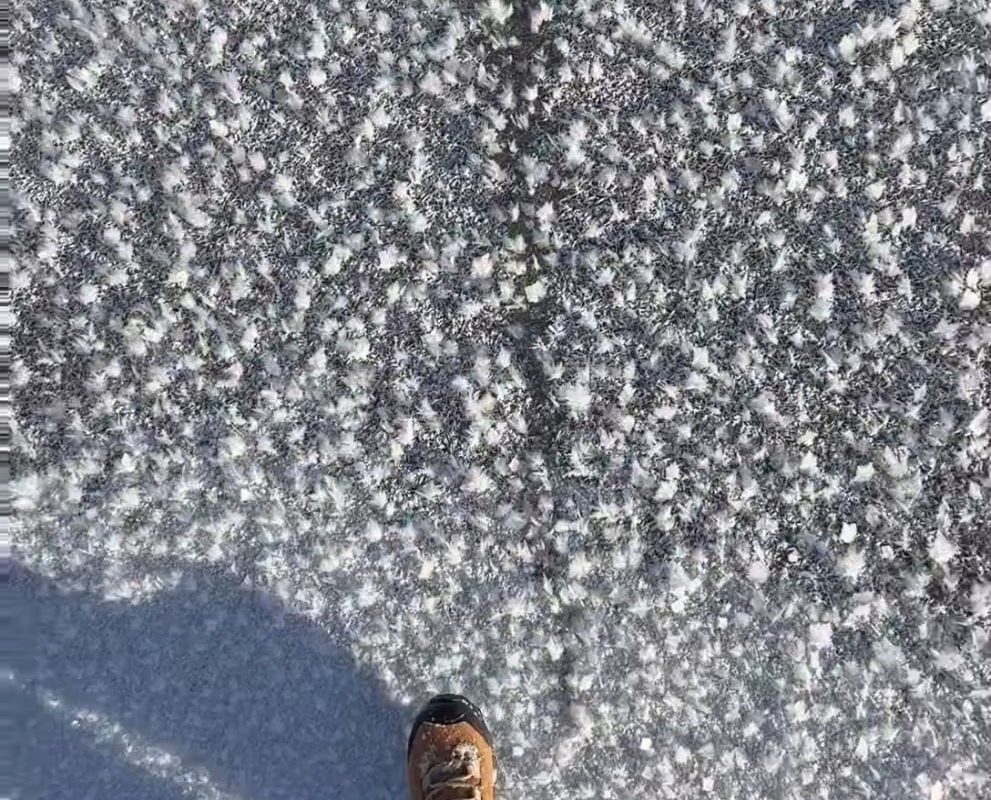
Frost flowers (also called ice flowers or frost blossoms) aren’t flowers at all—they’re intricate ice structures that form when the air temperature drops well below freezing (-10°C or lower), but the ground remains unfrozen. Moisture from plant stems or fallen wood expands, freezing upon contact with the frigid air and creating feathery, ribbon-like ice curls. These ephemeral artworks are incredibly fragile, melting or shattering with the slightest touch or rise in temperature.
Why Banff?
Banff’s unique microclimates—cold valley floors, abundant moisture from lakes and rivers, and untouched wilderness—create the ideal stage for frost flowers. Unlike hoar frost (which coats surfaces in ice crystals), frost flowers grow outward from their source, resembling fragile glass gardens.
🌟 When & Where to Witness Banff’s Frost Flowers
Timing is Everything:
Frost flowers appear sporadically from late autumn to early winter (typically October–December), often after the first deep freeze. They’re most likely to form overnight and are best seen at sunrise, before sunlight or wind claims them.
Prime Viewing Locations in Banff:
- Lake Minnewanka Shoreline: Ice curls thrive near the lake’s edge, framed by towering peaks.
- Vermilion Lakes: Just outside Banff townsite, these tranquil wetlands become a frost flower haven.
- Johnston Canyon: Check quieter trails where moisture seeps from canyon walls.
- Bow Valley Parkway: Scenic pull-offs reveal frost-kissed meadows and forests.
📸 Capturing the Magic: Photography Tips
- Golden Hour Is Key: Shoot at dawn’s soft light to highlight the flowers’ transparency.
- Macro Lens Magic: Get up close to capture intricate details.
- Stay Low: Crouch to showcase frost flowers against snowy backdrops or icy water.
- No Touch Policy: These formations disintegrate easily—admire from a distance.
🌿 Protecting Banff’s Delicate Beauty
Frost flowers are a reminder of nature’s fragility. To preserve them:
- Tread lightly: Stick to trails and avoid trampling potential frost flower zones.
- Leave no trace: Pack out all gear and waste.
- Respect the climate: Climate change threatens these phenomena—support sustainable travel.
✨ The Ephemeral Gift of Winter
Frost flowers symbolize transient beauty—here one morning, gone by noon. Their fleeting existence makes encountering them feel like discovering a secret whispered by winter itself. As Banff’s landscapes transition into deep winter, keep your eyes peeled for these natural wonders. They’re proof that even in the coldest months, magic blooms in the Rockies.
Plan Your Frost Flower Hunt:
- Best Time: Late October–December, after a sudden cold snap.
- Check Conditions: Visit Parks Canada’s Banff alerts page for trail access and weather.
- Guided Tours: Local outfitters like Discover Banff Tours offer sunrise photography expeditions.
Have you witnessed frost flowers in Banff? Share your stories below! 🌨️💙
SEO Keywords: Frost flowers Banff, Ice flowers Canadian Rockies, Banff winter wonders, Ephemeral ice formations, Where to see frost flowers, Banff photography tips, Unique winter phenomena Banff.