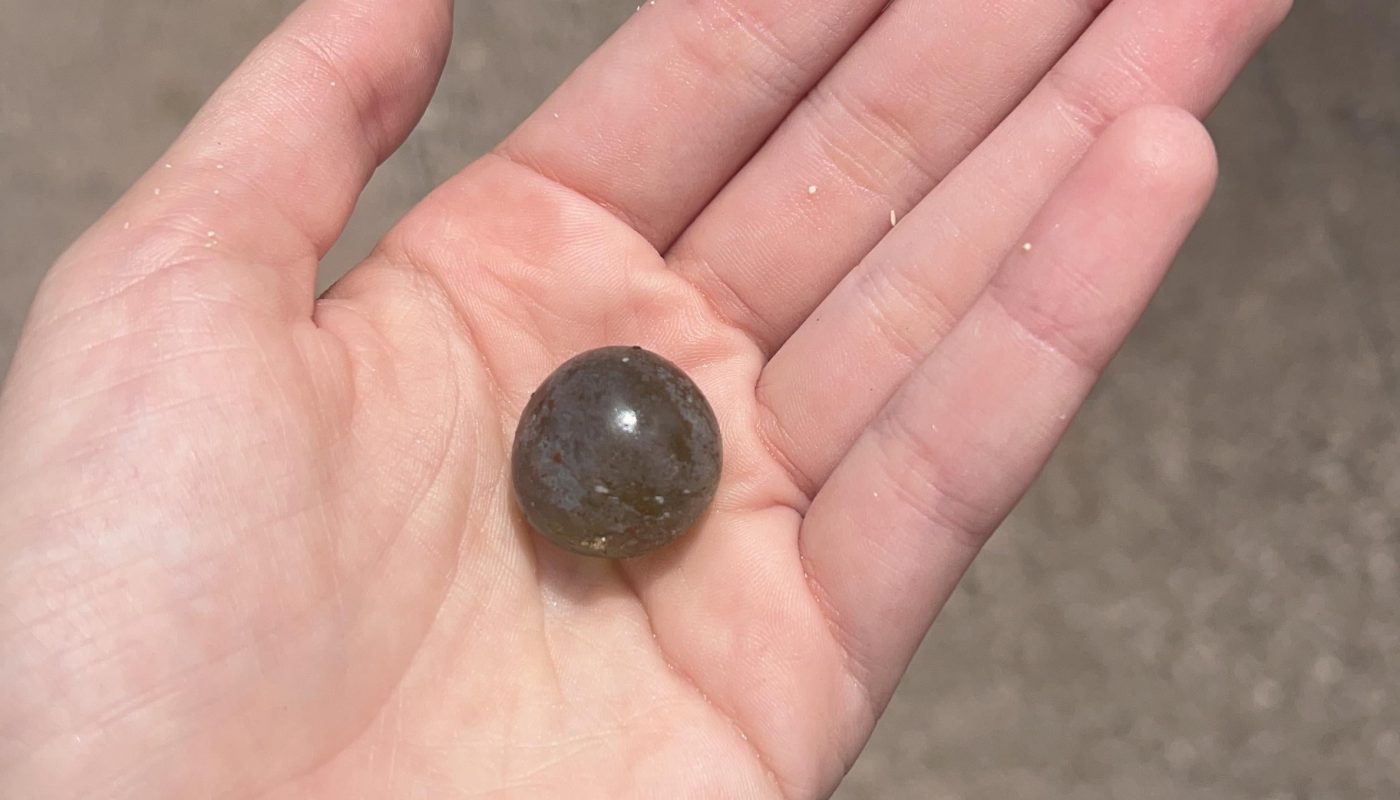
🔥 Valonia ventricosa, aka Sailor’s Eyeball Algae, is the largest single-cell organism on Earth.
Imagine stumbling upon a giant eyeball on the beach, but instead of being a creepy relic, it’s a living, breathing organism that’s been fascinating scientists for centuries. Meet Valonia ventricosa, affectionately known as Sailor’s Eyeball Algae, the largest single-cell organism on Earth. This incredible creature has been making waves in the scientific community, and for good reason – it’s a marvel of nature that will leave you questioning everything you thought you knew about the building blocks of life.
The Discovery of a Giant
Valonia ventricosa was first discovered in the 19th century, and since then, scientists have been studying this enigmatic organism to unravel its secrets. Found in tropical waters around the world, Sailor’s Eyeball Algae can grow up to 5 centimeters in diameter, making it a giant among single-celled organisms. But what’s truly remarkable about Valonia ventricosa is its unique structure – it’s a single cell that’s visible to the naked eye, with a distinctive spherical shape and a striking resemblance to a eyeball. This unusual appearance has led to its nickname, and it’s easy to see why – it’s an otherworldly creature that seems almost alien in its appearance.
Uncovering the Science Behind the Sailor’s Eyeball
So, how does Valonia ventricosa manage to grow to such an enormous size, considering it’s just a single cell? The answer lies in its unique physiology – Sailor’s Eyeball Algae has a specialized membrane that allows it to absorb nutrients and water from its surroundings, enabling it to grow to incredible sizes. But that’s not all – Valonia ventricosa also has a remarkable ability to withstand extreme conditions, from changes in temperature and salinity to exposure to harsh chemicals. This resilience has made it a fascinating subject for scientists, who are eager to unlock the secrets of its survival and apply them to other fields, from medicine to environmental conservation.
A Window into the Natural World
Valonia ventricosa may seem like an oddity, but it’s actually a window into the incredible diversity of the natural world. As scientists continue to study this incredible organism, they’re gaining insights into the intricate web of relationships between species and their environments. By exploring the unique characteristics of Sailor’s Eyeball Algae, researchers can better understand the complex interactions that shape our planet’s ecosystems, from the tiniest microbe to the mightiest tree. And who knows – the secrets hidden within Valonia ventricosa may hold the key to unlocking new discoveries and innovations that will change our world forever.
As we continue to explore the mysteries of Valonia ventricosa, we’re reminded of the awe-inspiring complexity and beauty of the natural world. This incredible organism may have started as a curiosity, but it’s become so much more – a symbol of the wonders that await us when we venture into the unknown, and a testament to the incredible diversity of life on Earth. So next time you’re out exploring the beach, keep an eye out for Sailor’s Eyeball Algae – you never know when you might stumble upon a giant eyeball that will change your perspective on the world forever.