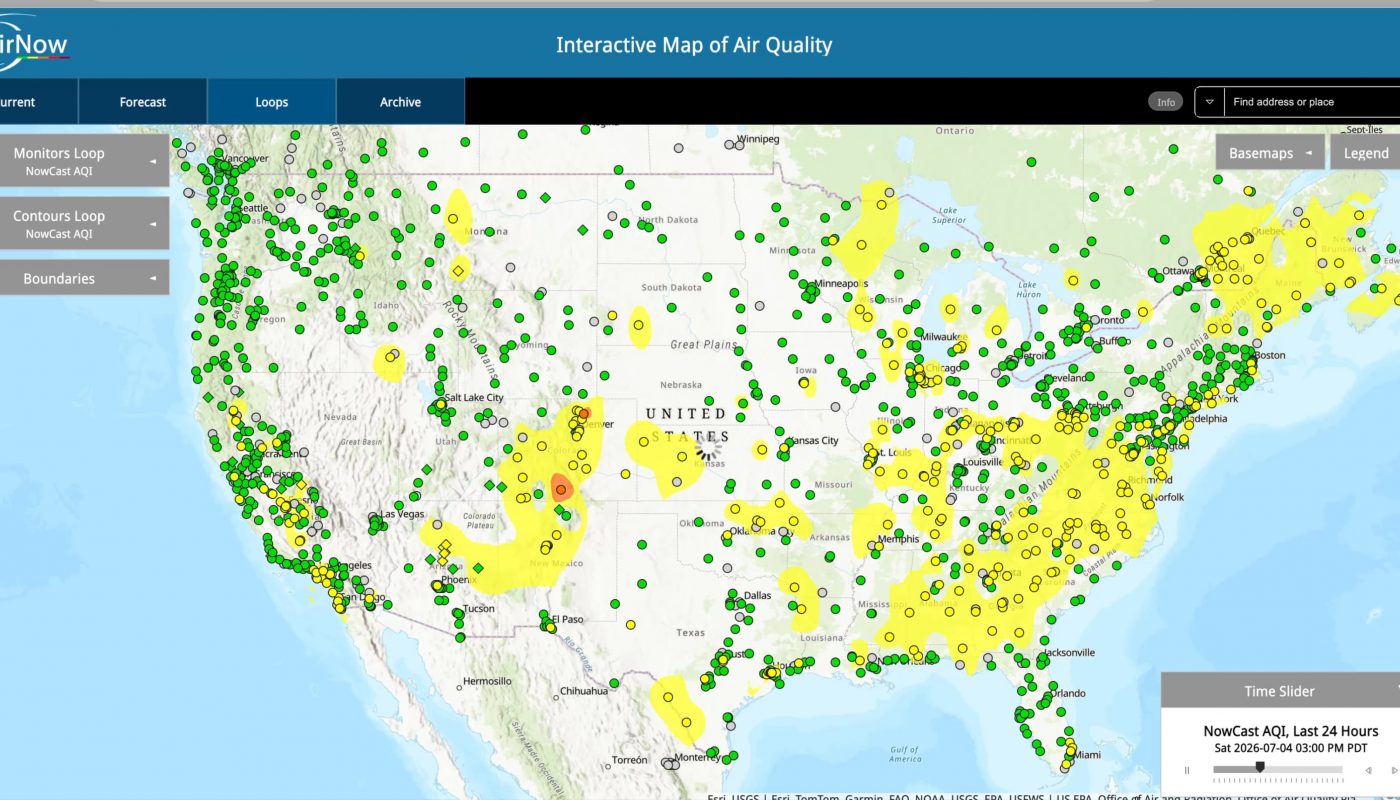
4th of July Air Quality Across the US
As we gear up to celebrate our nation’s birthday with fireworks, barbecues, and patriotic parades, have you ever stopped to think about how these festive activities affect the air we breathe? The 4th of July is a time for revelry and celebration, but it’s also a time when air quality can take a hit. From the smoke and particulate matter emitted by fireworks to the ozone and pollutants released by backyard barbecues, our Independence Day festivities can have a significant impact on the air quality across the US. So, let’s dive in and explore what’s really going on in our skies on this star-spangled holiday.
Air Quality Alerts and Fireworks
Fireworks are a beloved 4th of July tradition, but they’re also a major contributor to poor air quality. The colorful explosions we enjoy in the night sky release a cocktail of pollutants, including particulate matter, ozone, and volatile organic compounds. These pollutants can exacerbate respiratory issues like asthma and other health problems, especially for vulnerable populations like children and the elderly. In fact, studies have shown that air quality can plummet to unhealthy levels in areas with heavy fireworks activity, with particulate matter concentrations spiking to several times the normal levels. As we ooh and ahh over the fireworks displays, it’s essential to remember the potential risks to our health and the environment.
Regional Variations in Air Quality
Air quality on the 4th of July isn’t uniform across the US; it varies significantly from region to region. Coastal areas tend to fare better, with sea breezes helping to dissipate pollutants and improve air quality. In contrast, inland regions with limited air circulation, such as the Southwest and Midwest, often experience worse air quality due to the buildup of pollutants. Urban areas, with their higher concentrations of people and vehicles, also tend to have poorer air quality than rural areas. Understanding these regional variations can help us make informed decisions about how to minimize our impact on air quality and stay safe during the celebrations.
What You Can Do to Help
While it’s unlikely we’ll ditch our 4th of July traditions anytime soon, there are steps we can take to reduce our impact on air quality. For starters, consider using eco-friendly fireworks or attending community displays instead of hosting your own. You can also take simple actions like carpooling, using public transport, or biking to events to reduce vehicle emissions. Additionally, being mindful of air quality forecasts and taking precautions like wearing masks or staying indoors when pollution levels are high can help protect your health. By taking these small steps, we can all do our part to ensure a healthier, happier 4th of July for everyone.
As we celebrate our nation’s birthday with all the trimmings, it’s heartening to remember that even small actions can add up to make a big difference. By being more aware of the impact our celebrations have on air quality and taking steps to mitigate it, we can enjoy the festivities while also protecting the health of our communities and the environment. So go ahead, enjoy the fireworks, the parades, and the backyard barbecues – but do it with a newfound appreciation for the importance of clean air and a commitment to preserving it for generations to come.