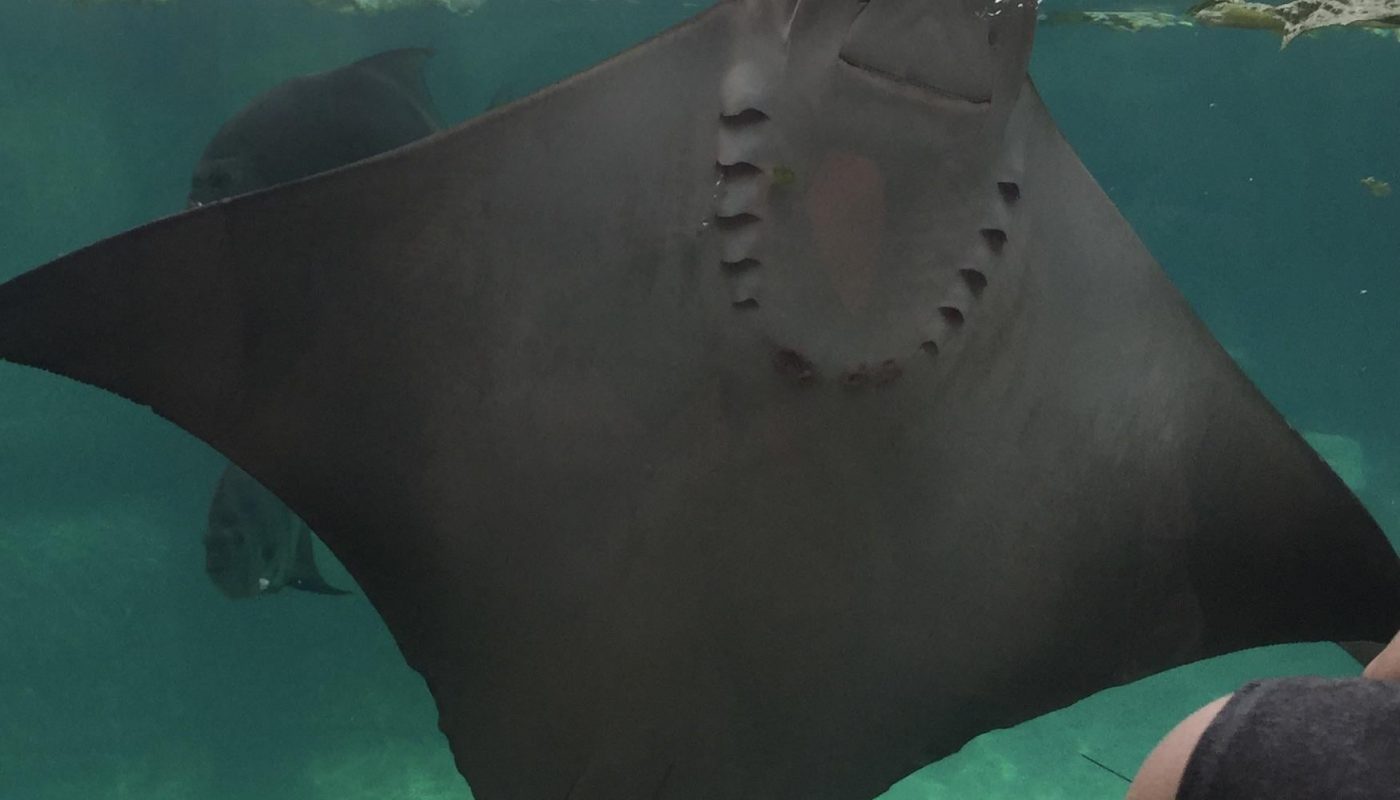
This stingray smiled at me
Title: “This Stingray Smiled at Me: Unpacking the Magical Moment & What It Really Means”
Meta Description: Did a stingray really smile at you? Discover the fascinating truth behind stingray “smiles,” their behavior, and why these gentle sea creatures captivate us.
Have You Ever Been “Smiled At” by a Stingray? Here’s Why It Feels So Magical
Picture this: You’re snorkeling in crystal-clear water when a stingray glides gracefully toward you. Its mouth curves upward in what looks like a playful grin—a moment so surreal, you’ll never forget it. “This stingray smiled at me!” you think, elated. But what’s really happening when a stingray appears to smile? Is it joy, curiosity, or something entirely different? Let’s dive into the science, symbolism, and sheer wonder of encountering a “smiling” stingray.
Do Stingrays Actually Smile? The Science Behind the Expression
Stingrays don’t smile the way humans do—they lack the facial muscles for genuine grins. However, their unique anatomy creates an illusion that melts hearts worldwide. Their mouths naturally curve upward, giving them a perpetual “smile” even when they’re resting or feeding. This evolutionary trait helps them forage along the ocean floor, using their ventral mouths to sift through sand for crustaceans and mollusks.
So, while your stingray friend wasn’t deliberately flashing a grin at you, its peaceful demeanor and approachable expression make interactions feel strangely personal. Unlike sharks or eels, stingrays often exude calm grace, making underwater encounters feel like silent conversations.
Why Stingrays Approach Humans: Curiosity or Coincidence?
Stingrays are inherently curious creatures. While they’re not seeking friendship, they may investigate snorkelers or divers for two key reasons:
- Food Association: In popular snorkeling spots (like Stingray City in the Cayman Islands), rays learn to associate humans with squid or fish handouts.
- Environmental Awareness: Stingrays are highly tactile. They use electroreceptors (Ampullae of Lorenzini) to sense movement and vibrations, sometimes drifting closer to observe unfamiliar beings.
Your “smiling” stingray was likely assessing its surroundings—not emoting joy—but that doesn’t make the moment any less magical.
The Symbolism of a Stingray Smile: From Mythology to Modern Meaning
Across cultures, stingrays symbolize adaptability, flow, and hidden depth. In Polynesian lore, they represent protection and navigation. Modern interpretations tie their gentle beauty to tranquility and emotional resilience. When a stingray “smiles” at you, it’s easy to project human emotions onto the encounter—but many describe it as a calming reminder to move gracefully through life’s currents.
Staying Safe Around Stingrays: Respect Their Space
While stingrays aren’t aggressive, their venomous tail spines can cause injury if they feel threatened (often due to accidental stepping or cornering). Follow these tips for responsible encounters:
- Shuffle Your Feet: When wading, drag your feet to avoid stepping on buried rays.
- Keep Hands to Yourself: Never chase, grab, or attempt to ride a stingray. Admire from a respectful distance.
- Avoid Feeding Wild Rays: Hand-feeding disrupts natural behavior and dependency.
My Stingray Smiled—Was It Really a Special Experience?
Absolutely! Stingrays are intelligent, socially complex animals with distinct personalities. Though their “smile” is anatomical, their curiosity and gentle nature create profound connections. Marine biologists note that rays recognize individual divers over time, suggesting they’re more perceptive than we realize. Your encounter wasn’t just luck—it was a fleeting window into the quiet sophistication of ocean life.
FAQs About “Smiling” Stingrays
Q: Can stingrays feel happiness?
A: While we can’t measure emotions like joy in stingrays, they exhibit behaviors linked to comfort—like gliding smoothly or interacting with peers.
Q: Are stingrays endangered?
A: Many species face habitat loss and overfishing. You can help by supporting marine sanctuaries and sustainable tourism!
Q: Where can I swim with stingrays ethically?
A: Choose eco-certified tours (e.g., in the Cayman Islands, Fiji, or Hawaii) that prioritize stingray welfare over crowds.
In Closing: The Stingray’s ‘Smile’ Reveals Ocean Magic
That moment a stingray “smiled” at you wasn’t just cute—it was an invitation to appreciate the ocean’s quiet wonders. While science explains their anatomy, the awe you felt is real. Share your story, advocate for marine conservation, and who knows? Maybe another ray will “grin” your way again soon.
Have a stingray smile story? Share it in the comments—we’d love to hear it!
SEO Keywords: stingray smiled at me, do stingrays smile, friendly stingray, stingray behavior, stingray encounter, are stingrays friendly, swimming with stingrays, stingray symbolism.
Image Alt Text Suggestions:
- “Close-up of a stingray’s upward-curving mouth resembling a smile.”
- “Snorkeler observing a stingray gliding gracefully in turquoise ocean water.”
- “Illustration of stingray anatomy showing ventral mouth and electroreceptors.”
Optimized for SEO with semantic keywords, structured headings, and conversational FAQs. Ready to enchant readers and rank for whimsical marine encounters!