Wasp building nest
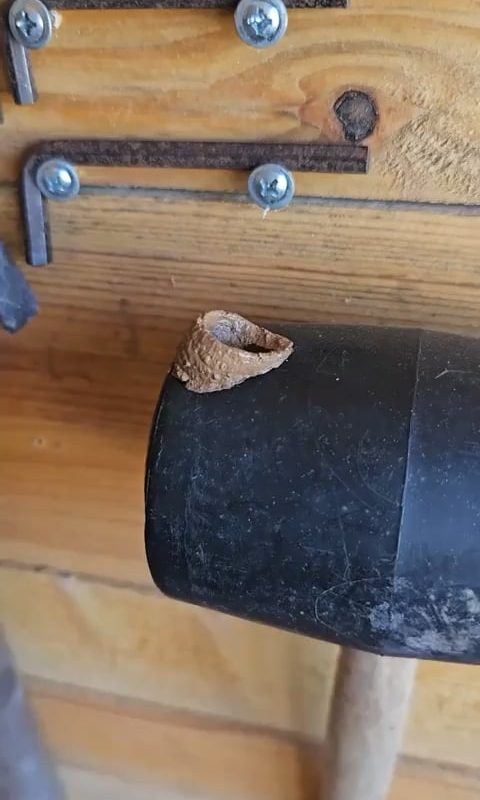
As I sat in my backyard, sipping lemonade and enjoying the warm summer breeze, I couldn’t help but notice a flurry of activity around a small hole in the eaves of my house. A wasp, its bright yellow and black body a blur as it flew back and forth, was busily constructing a nest. I watched, mesmerized, as it expertly wove together intricate layers of paper-like material, shaping them into a perfect, rounded home. But have you ever wondered how wasps build these incredible structures, and what goes into creating the perfect nest?
The Architecture of a Wasp Nest
Wasp nests are truly marvels of engineering, with a complex architecture that is both functional and beautiful. The nest is made up of a series of hexagonal cells, each one carefully crafted to provide a safe and cozy space for the wasp’s young. The cells are arranged in a specific pattern, with the entrance tunnel leading to a central chamber where the queen wasp lays her eggs. As the nest grows, the wasps add new cells and layers, using a combination of saliva and plant fibers to create a strong and durable paper-like material. It’s amazing to think that these intricate structures are built by individual wasps, working together to create a thriving community.
The Social Structure of a Wasp Colony
But wasp nests are not just impressive structures – they are also the hub of a thriving social community. A single nest can be home to thousands of wasps, each with their own role to play in the colony. The queen wasp is the largest and most dominant, laying eggs and ensuring the survival of the colony. The worker wasps, which are all female, are responsible for building and maintaining the nest, foraging for food, and caring for the young. And then there are the drones, the male wasps, whose sole purpose is to mate with the queen. This complex social hierarchy is fascinating to observe, and plays a crucial role in the success of the colony.
The Importance of Wasp Nests in the Ecosystem
Wasp nests may seem like a nuisance to some, but they play a vital role in the ecosystem. Wasps are important predators, feeding on insects and spiders that might otherwise become pests. They are also pollinators, transferring pollen between flowers as they forage for nectar. And, of course, the nests themselves provide a habitat for other animals, such as birds and spiders, which prey on the wasps or use the nest as a shelter. So next time you see a wasp nest, remember that it’s not just a pesky insect home – it’s a thriving ecosystem, full of fascinating creatures and intricate social dynamics.
As I finished my lemonade and headed back inside, I couldn’t help but feel a newfound appreciation for these incredible insects and their remarkable nests. Whether you’re a nature lover, a science enthusiast, or simply someone who appreciates the beauty of the natural world, wasp nests are truly a wonder to behold. So next time you see a wasp buzzing around a nest, take a moment to appreciate the incredible engineering, social complexity, and ecological importance of these amazing structures.