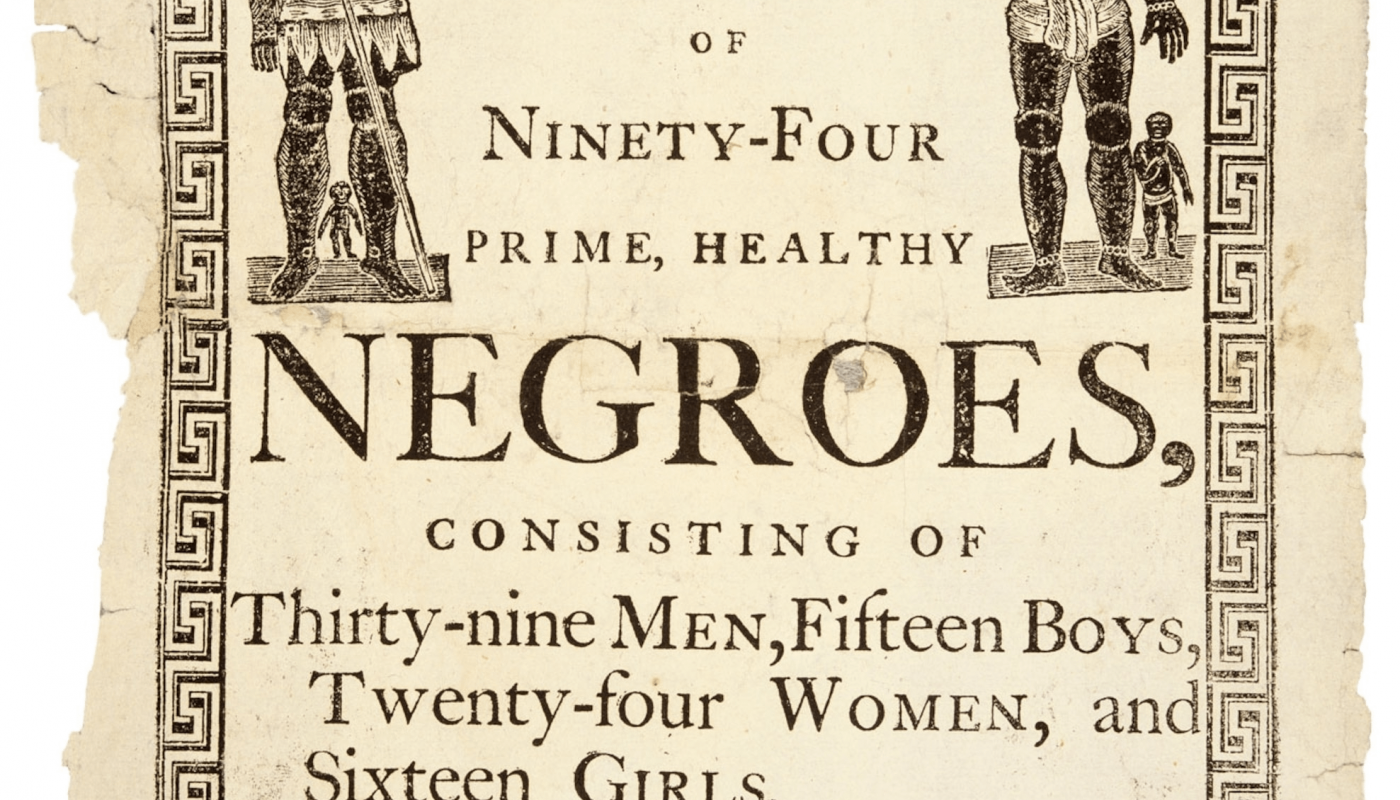
An ad for a slave sale from 1769, South Carolina
As I delved into the dusty archives of history, I stumbled upon a haunting relic from the past – an ad for a slave sale from 1769, South Carolina. The yellowed parchment, with its faded ink and cracked surface, seemed to whisper tales of a bygone era, one that was both fascinating and unsettling. The ad, a stark reminder of the transatlantic slave trade, listed the names, ages, and skills of the enslaved individuals, reducing their lives to mere commodities. But as I gazed deeper into the document, I began to unravel the complex threads of history, economics, and human emotion that wove this tragic narrative.
The Economics of Slavery
The ad, placed by a Charleston merchant, touted the sale of “choice Negroes” from the coast of Africa, highlighting their strength, agility, and skills in various trades. The language used was eerily reminiscent of modern-day classifieds, with the merchant assuring potential buyers of the “quality” and “value” of the enslaved individuals. But beneath the surface of this commercial transaction lay a complex web of economic interests, with slavery serving as the backbone of the colonial American economy. The transatlantic slave trade, which lasted for centuries, was a lucrative business that fueled the growth of industries such as cotton, tobacco, and sugar. The enslaved individuals, torn from their homelands and families, were forced to toil in brutal conditions, their labor generating wealth for their captors.
The Human Cost
As I read through the ad, I couldn’t help but wonder about the lives of the individuals listed. Who were they, really? What were their stories, their dreams, their fears? The ad reduced them to mere statistics – age, sex, skill – but I knew that each one had a rich inner life, a universe of experiences and emotions. The enslaved individuals were not just commodities, but human beings who had been ripped from their communities, subjected to the horrors of the Middle Passage, and forced to adapt to a new, hostile environment. Their stories, though silenced by the passage of time, continue to haunt us, a reminder of the profound human cost of slavery and the ongoing struggle for justice and equality.
Unraveling the Legacy
The ad, a relic of a bygone era, serves as a poignant reminder of the enduring legacy of slavery in America. The institution of slavery, though abolished in 1865, continues to shape our society, influencing everything from education and housing to healthcare and criminal justice. As we grapple with the complexities of our collective past, we must confront the ways in which slavery’s legacy continues to impact our present. By examining the stories, the science, and the context behind this ad, we can begin to unravel the tangled threads of history, working towards a more nuanced understanding of our shared humanity.
As I closed the archive, the ad’s faded ink lingering in my mind, I couldn’t help but feel a sense of awe at the complexity, the tragedy, and the resilience of the human experience. The story of the slave sale, a mere fragment of a larger narrative, serves as a powerful reminder of the importance of empathy, understanding, and remembrance. By engaging with our collective past, we can work towards a more just, equitable future, one that honors the lives and stories of all individuals, regardless of the circumstances of their birth.