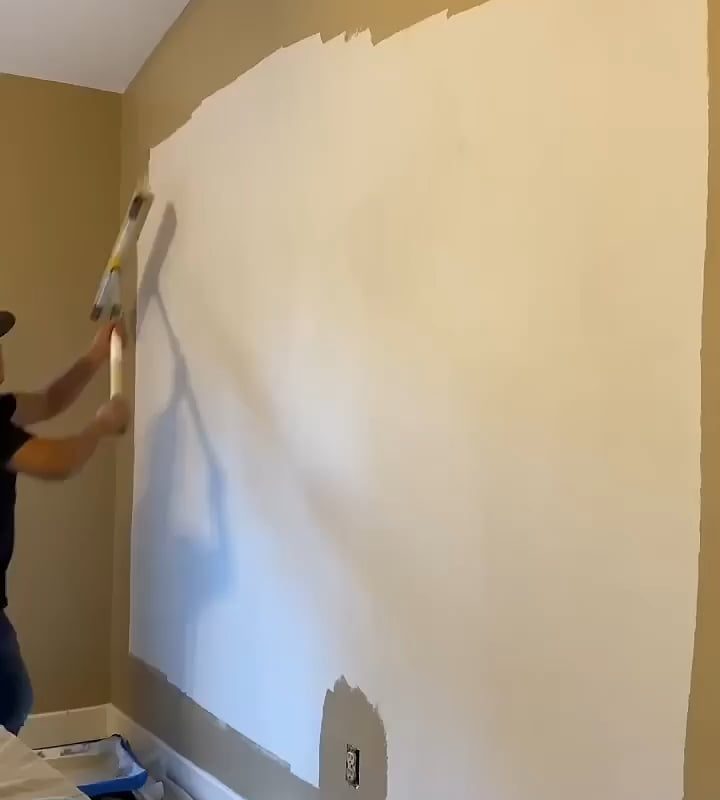
Speed painting a wall with an 18in roller
I still remember the first time I saw a professional painter effortlessly gliding an 18in roller across a massive wall, covering it in a beautiful coat of paint in what seemed like seconds. It was like magic, and I was hooked – I had to learn more about this fascinating technique known as speed painting. As it turns out, speed painting is not just about slapping on some paint as quickly as possible, but rather an art form that requires skill, strategy, and a bit of science. From the type of paint used to the extension pole that allows for those smooth, sweeping motions, every detail matters when it comes to achieving a flawless finish.
The History of Speed Painting
Speed painting has its roots in the world of professional painting, where time is money and getting the job done quickly is crucial. Over the years, painters have developed and refined various techniques to increase their efficiency without sacrificing quality. One of the key innovations that has made speed painting possible is the development of high-capacity rollers, like the 18in roller, which can hold a large amount of paint and cover more surface area with each pass. This, combined with the use of extension poles, has enabled painters to work faster and more efficiently, making it possible to paint large areas in a fraction of the time it would take with traditional methods.
The Science Behind Speed Painting
So, what makes speed painting with an 18in roller so effective? It all comes down to the science of paint application. When you use a large roller, you’re able to apply a thin, even layer of paint to the wall, which helps to prevent drips and unevenness. The extension pole also plays a crucial role, allowing you to maintain a consistent distance from the wall and generate the perfect amount of pressure to ensure a smooth finish. Additionally, the type of paint used is also important, with some formulations being specifically designed for speed painting and offering improved flow and leveling properties. By understanding the science behind speed painting, you can appreciate the skill and craftsmanship that goes into creating a beautiful, professional-looking finish.
Tips and Tricks for Speed Painting
While speed painting may seem like a daunting task, it’s actually a technique that can be learned with a bit of practice and patience. One of the most important things to keep in mind is to work in sections, using a systematic approach to ensure that you don’t miss any spots. It’s also essential to maintain a consistent pace and avoid applying too much pressure, which can cause the paint to become uneven or even lead to drips. With the right tools and a bit of know-how, you can achieve professional-looking results and take your painting projects to the next level. Whether you’re a seasoned pro or a DIY enthusiast, speed painting with an 18in roller is definitely worth trying – and who knows, you might just find yourself hooked like I was.
As I reflect on my journey into the world of speed painting, I’m still amazed by the combination of skill, strategy, and science that goes into creating a beautiful, professional-looking finish. From the history of the technique to the tips and tricks that make it possible, there’s so much more to speed painting than meets the eye. Whether you’re a painting enthusiast or just someone who appreciates the art of creation, I hope you’ve enjoyed this journey into the fascinating world of speed painting with an 18in roller – and who knows, maybe you’ll be inspired to give it a try yourself.