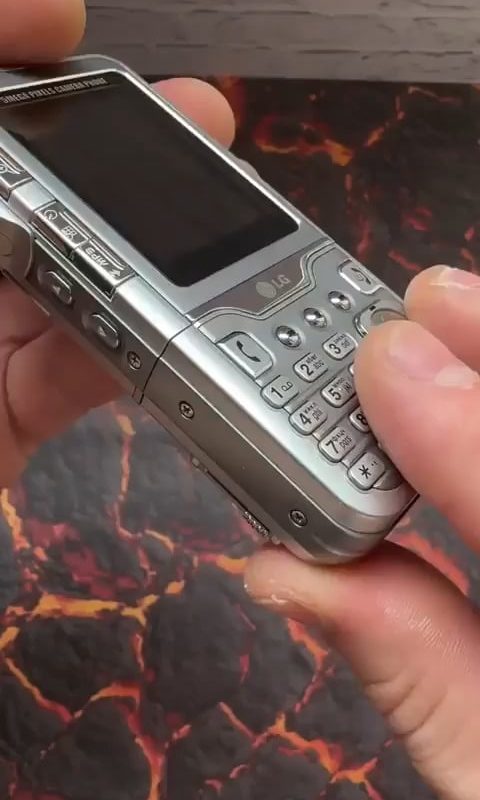
Design of vintage phones
The first time I laid eyes on a vintage phone, I was struck by its beauty and charm. The rotary dial, the Bakelite body, and the curly cord all seemed to whisper stories of a bygone era. As I delved deeper into the world of vintage phones, I discovered a fascinating history that spans over a century. From the early days of telephony to the sleek designs of the 1980s, vintage phones are a testament to human ingenuity and the relentless pursuit of innovation. The design of these phones is not just about aesthetics; it’s about the science, technology, and societal context that shaped their creation.
The Early Years
The first telephones, invented by Alexander Graham Bell in 1876, were cumbersome devices that resembled Victorian-era scientific instruments. They had a mouthpiece, a receiver, and a switchboard that connected callers to operators. As technology improved, phones began to take on a more recognizable form. The introduction of the rotary dial in the 1890s revolutionized phone design, making it easier for people to connect with each other. The rotary dial’s circular motion and satisfying click became an iconic feature of vintage phones. The materials used in early phone design, such as wood and metal, were also a reflection of the era’s craftsmanship and attention to detail.
Mid-Century Modern
The mid-20th century saw a significant shift in phone design, with the introduction of plastics and new manufacturing techniques. The 1950s and 1960s were the heyday of vintage phone design, with sleek, futuristic models that seemed to belong in a science fiction movie. The Princess phone, introduced in the 1950s, was a masterpiece of design, with its compact body, sleek lines, and bold colors. The phone’s design was not just about functionality; it was also a status symbol, with different models and colors signifying different levels of wealth and sophistication. The science behind phone design during this era was also rapidly evolving, with advances in materials science and electrical engineering enabling the creation of more efficient and reliable phones.
Retro Revival
Today, vintage phones are highly collectible items, sought after by enthusiasts and designers alike. The retro aesthetic of vintage phones has inspired a new generation of designers, who are incorporating elements of vintage design into modern phones. The nostalgia for vintage phones is not just about their looks; it’s also about the tactile experience they provide. The click of the rotary dial, the feel of the Bakelite body, and the sound of the ringing bell all evoke a sense of nostalgia and wonder. As we continue to push the boundaries of technology, it’s fascinating to look back at the design of vintage phones and appreciate the ingenuity and craftsmanship that went into creating these iconic devices.
As I continue to explore the world of vintage phones, I’m struck by the realization that design is not just about creating something new and innovative; it’s also about paying homage to the past and learning from the masters. The design of vintage phones is a testament to human creativity and the power of innovation, and it’s a reminder that even in the digital age, there’s still beauty and charm to be found in the analog world. Whether you’re a collector, a designer, or simply someone who appreciates the beauty of vintage technology, the design of vintage phones is sure to captivate and inspire.