Honey Found in 3,000-Year-Old Ancient Egyptian Tombs Is Still Safe To Eat
Imagine stumbling upon a treasure trove of ancient goodies, only to discover that one of the most prized possessions is still as sweet and edible as it was thousands of years ago. That’s exactly what happened when archaeologists uncovered jars of honey in 3,000-year-old ancient Egyptian tombs. Yes, you read that right – the honey found in these tombs is still safe to eat, and it’s a fascinating story that’s got everyone buzzing. The ancient Egyptians were known for their love of honey, using it not only as a food but also as a form of currency, a gift for the gods, and even as an ingredient in their elaborate burial rituals. It’s no wonder, then, that they took such great care to preserve it for the afterlife.
The Ancient Egyptian Obsession with Honey
The ancient Egyptians were obsessed with honey, and it played a significant role in their daily lives. They used it to sweeten their food and drinks, as a form of medicine, and even as a way to preserve bodies for mummification. The Egyptians believed that honey had magical powers, and they often used it in their religious rituals to appease the gods. They also used honey as a form of payment for workers, and it was considered a luxury item that only the wealthy could afford. With such a high value placed on honey, it’s no wonder that the Egyptians developed sophisticated methods for harvesting and preserving it.
The Science Behind the Honey’s Longevity
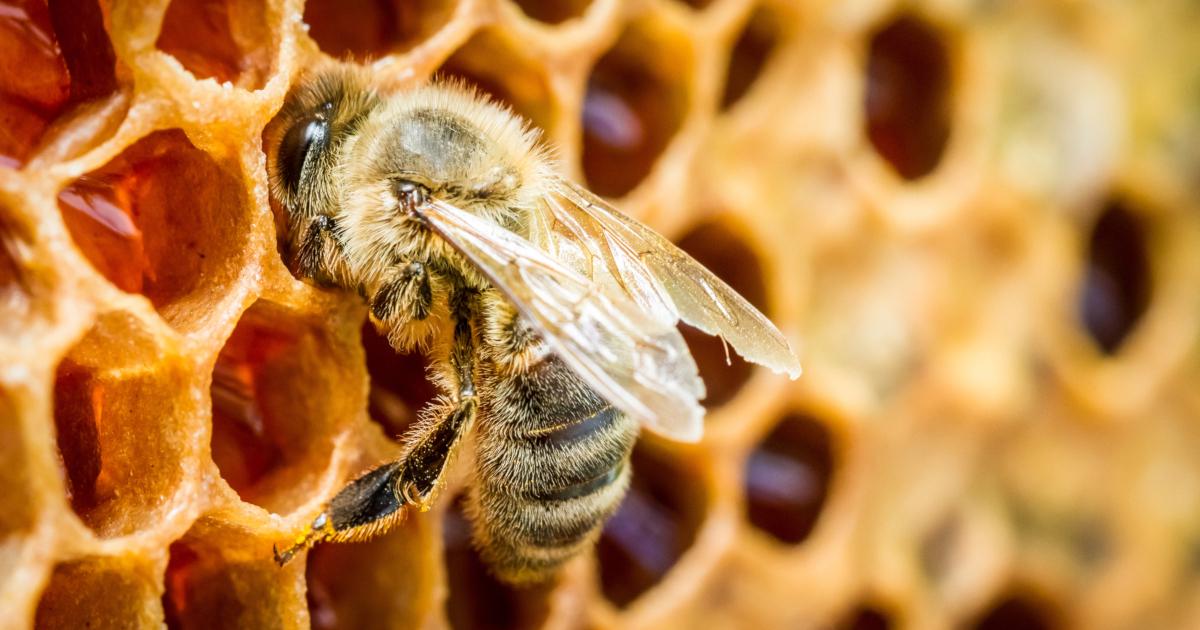
So, what makes this ancient honey so special that it’s still safe to eat after 3,000 years? The answer lies in the unique properties of honey itself. Honey is a supersaturated sugar solution that is highly acidic, with a pH level of around 3.2. This acidity, combined with the fact that honey contains very little water, makes it a difficult environment for bacteria and other microorganisms to grow. As a result, honey is naturally self-preserving, and it can remain stable for thousands of years if it’s stored properly. The ancient Egyptians were skilled beekeepers, and they knew how to harvest and store honey in a way that would preserve its quality for centuries.
A Taste of the Past
While it’s unlikely that anyone will be tasting this ancient honey anytime soon, it’s fascinating to think about the possibility of experiencing a flavor that’s been locked away for millennia. The honey found in these tombs is a tangible connection to the past, a reminder of the people and cultures that came before us. It’s a testament to the ingenuity and skill of the ancient Egyptians, who were able to preserve a food item for so long using only the technology and knowledge available to them at the time. As we continue to learn more about this incredible discovery, we’re reminded of the power of food to bring us closer to our shared human history.
As we marvel at the ancient Egyptians’ ability to preserve honey for so long, we’re also reminded of the importance of preserving our own cultural heritage. The discovery of this edible honey is a thrilling reminder that even the most unlikely of treasures can still hold surprises and secrets that are waiting to be uncovered. Whether you’re a history buff, a foodie, or simply someone who loves a good story, the tale of the 3,000-year-old honey is sure to captivate and inspire, offering a tantalizing glimpse into a world that’s both familiar and yet, utterly foreign.