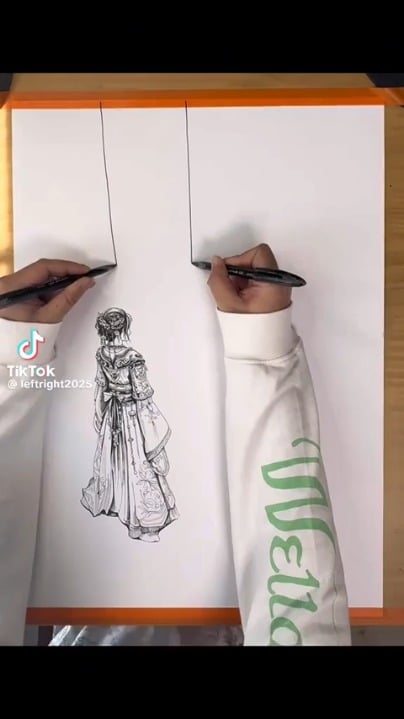
And that too with two hand
I still remember the first time I saw someone playing the piano with two hands – it was like magic, as if the keys were dancing under their fingers. But have you ever wondered how our brains actually process this complex task? It’s truly fascinating to think about how our hands can move independently, yet work together in perfect harmony. This got me curious, and I started digging into the science behind playing with two hands, and let me tell you, it’s a remarkable story.
The Origins of Two-Handedness
It all starts with the evolution of the human brain and body. Scientists believe that the development of two-handedness, or bimanualism, was a key factor in the advancement of our species. The ability to use both hands for different tasks, like using tools or playing musical instruments, allowed our ancestors to adapt to their environments more efficiently. This unique trait is still evident in the way we use our hands today, from playing the piano to typing on a keyboard. The brain’s ability to coordinate and control the movements of both hands is a remarkable feat, and researchers are still working to understand the intricacies of this process.
The Science of Hand Coordination
When we look at the brain’s structure, we find that the two hemispheres are connected by a bundle of nerve fibers called the corpus callosum. This connection allows the two sides of the brain to communicate and coordinate with each other, enabling us to perform complex tasks like playing a musical instrument with two hands. The brain’s motor cortex, which controls movement, is also divided into two hemispheres, each responsible for the opposite side of the body. This means that when we play the piano, the left hemisphere of the brain is controlling the right hand, and the right hemisphere is controlling the left hand. It’s a remarkable example of how our brain can process and integrate information from both sides to create a cohesive and beautiful sound.
Mastering the Art of Two-Handedness
So, how do people actually master the art of playing with two hands? It all comes down to practice, patience, and dedication. When we first start learning to play an instrument, our brain is creating new connections and pathways to process the information. As we practice, these connections become stronger, and our hands start to move more smoothly and independently. It’s a gradual process that requires time and effort, but the end result is well worth it. Whether you’re a professional musician or just a hobbyist, the sense of accomplishment and joy that comes from playing with two hands is unparalleled.
As I sit here, listening to the beautiful sound of piano music, I’m reminded of the incredible complexity and beauty of the human brain. The ability to play with two hands is just one example of the many remarkable things our brains can do, and it’s a testament to the incredible potential that lies within each of us. Whether you’re a music lover, a science enthusiast, or simply someone who appreciates the beauty of human creativity, the story of two-handedness is sure to captivate and inspire you.