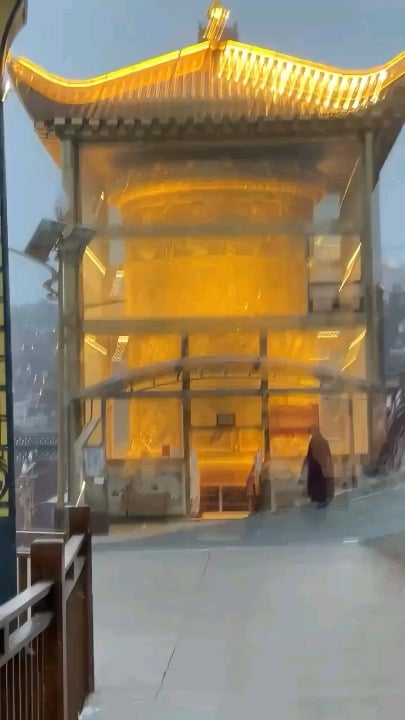
Prayer wheel in Larun Gar, Sichuan, China
As I stepped into the breathtaking landscape of Larun Gar in Sichuan, China, I was immediately struck by the vibrant colors and gentle hum of spirituality that filled the air. Amidst the rolling hills and serene lakes, one peculiar sight caught my attention – the majestic prayer wheel. This gigantic, rotating cylinder, adorned with intricate Tibetan scriptures and symbols, seemed to be the heart of the entire complex, drawing in devotees and curious travelers alike. But what’s the story behind this mesmerizing structure, and how does it embody the essence of Tibetan Buddhism?
The History and Significance
The prayer wheel, also known as a “mani wheel,” has its roots in ancient Tibetan tradition. According to legend, the concept was introduced by the great Buddhist master, Nagarjuna, who taught that the recitation of sacred mantras could bring about profound spiritual transformation. The wheel itself is believed to be a physical representation of the Buddha’s teachings, with each rotation symbolizing the turning of the wheel of dharma. In Larun Gar, the prayer wheel stands as a testament to the community’s devotion, with thousands of monks and nuns gathering daily to turn the wheel and recite prayers, generating a powerful collective energy that resonates throughout the valley.
The Science of Spirituality
But there’s more to the prayer wheel than meets the eye. Research has shown that the repetitive motion of turning the wheel can have a profound impact on the brain, inducing a state of meditation and increasing feelings of compassion and empathy. The rhythmic sound of the wheel’s rotation, combined with the visual stimulation of the colorful scriptures, creates a multisensory experience that can alter consciousness and promote a sense of inner peace. Furthermore, the collective effort of turning the wheel fosters a sense of community and cooperation, breaking down individual boundaries and cultivating a shared sense of purpose.
A Symbol of Resilience
Despite facing numerous challenges and setbacks, including the devastating earthquake of 2010, the prayer wheel in Larun Gar remains an enduring symbol of the community’s resilience and determination. The wheel has been rebuilt and restored, its beauty and significance only amplified by the trials it has faced. As I watched the sun set over the valley, casting a warm orange glow over the prayer wheel, I felt a deep sense of awe and reverence for this incredible structure and the people who tend to it with such love and devotion.
As I left Larun Gar and the majestic prayer wheel behind, I couldn’t help but feel grateful for the experience. The prayer wheel is more than just a beautiful sight or a fascinating relic of Tibetan culture – it’s a living, breathing embodiment of the human spirit, a testament to the power of faith, community, and perseverance. Whether you’re a devout Buddhist or simply a curious traveler, the prayer wheel in Larun Gar is sure to leave an indelible mark on your heart and mind, inviting you to return and experience its beauty and significance once again.