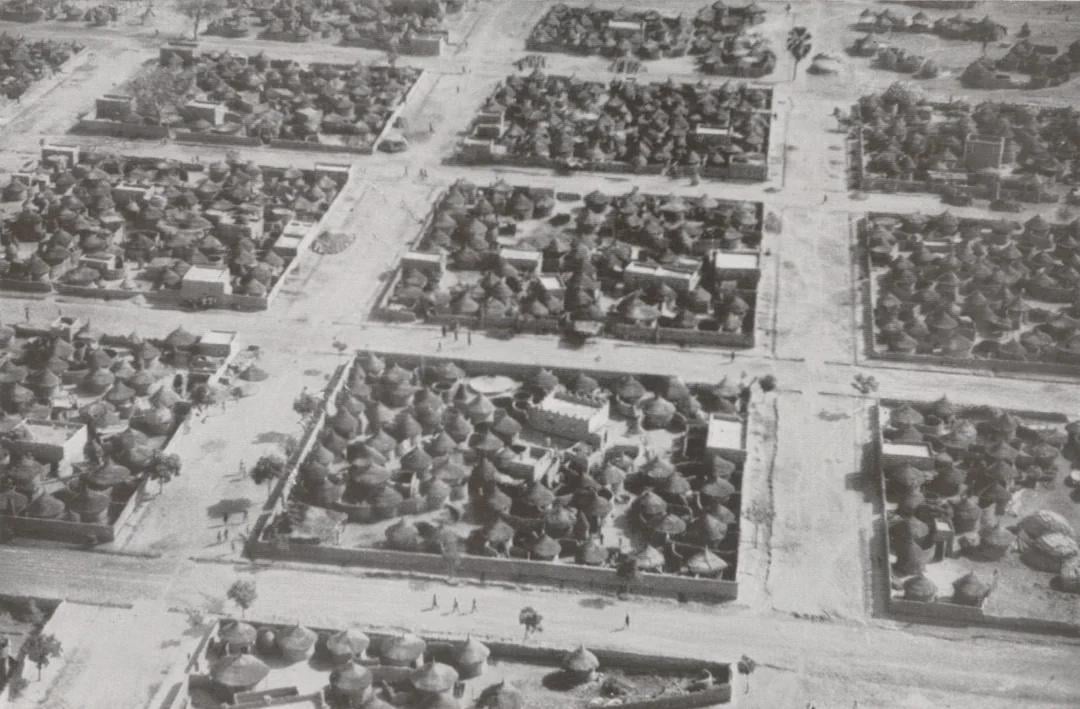
Photographs of Ouagadougou, Upper Volta from 1930.
As I delved into the archives of a bygone era, I stumbled upon a treasure trove of photographs that transported me to the vibrant city of Ouagadougou, Upper Volta, in the year 1930. The images, faded with time, yet still radiating an aura of wonder, beckoned me to explore the stories they held within. It’s astonishing to think that these photographs, captured nearly a century ago, offer a glimpse into a world that was vastly different from our own, and yet, they also reveal a sense of continuity and connection to the people and places that exist today.
A Glimpse into Colonial History
The photographs of Ouagadougou from 1930 provide a fascinating glimpse into the city’s colonial past. Upper Volta, as it was known back then, was a French colony, and the images reflect the cultural and architectural influences of the time. The pictures show bustling markets, mud-brick houses, and grand colonial buildings, all of which speak to the complex and often fraught history of the region. As I pored over the photographs, I couldn’t help but wonder about the lives of the people who lived in Ouagadougou during that era, and how they navigated the challenges of colonial rule.
Preserving Cultural Heritage
One of the most striking aspects of these photographs is the way they capture the cultural heritage of the region. The images depict people from various ethnic groups, each with their unique traditions and customs. I saw pictures of women adorned in colorful textiles, men playing traditional instruments, and children gathered around elderly storytellers. These photographs not only preserve the cultural heritage of Upper Volta but also serve as a testament to the resilience and diversity of the people who lived there. As I gazed upon these images, I felt a deep sense of appreciation for the photographers who captured these moments, and for the people who allowed themselves to be photographed, sharing their stories and traditions with the world.
A Window into the Past
The photographs of Ouagadougou from 1930 are more than just a collection of images – they are a window into the past, offering a unique perspective on a bygone era. They allow us to peek into the daily lives of people who lived in a different time, to see the ways in which they worked, played, and interacted with one another. As I explored these photographs, I found myself drawn into a world that was both familiar and foreign, a world that was shaped by the complexities of colonialism, cultural exchange, and human connection. The images reminded me that, despite the passage of time, there is always more to learn, more to discover, and more to appreciate about the people and places that have come before us.
As I closed the album, now filled with the memories of a bygone era, I couldn’t help but feel a sense of gratitude for the photographers who captured these moments, and for the people who allowed themselves to be photographed. The photographs of Ouagadougou from 1930 are a testament to the power of images to transcend time and space, to connect us with the past, and to remind us of our shared humanity. They invite us to step into a world that is both familiar and unknown, a world that is full of stories, traditions, and cultural heritage, waiting to be explored and appreciated.