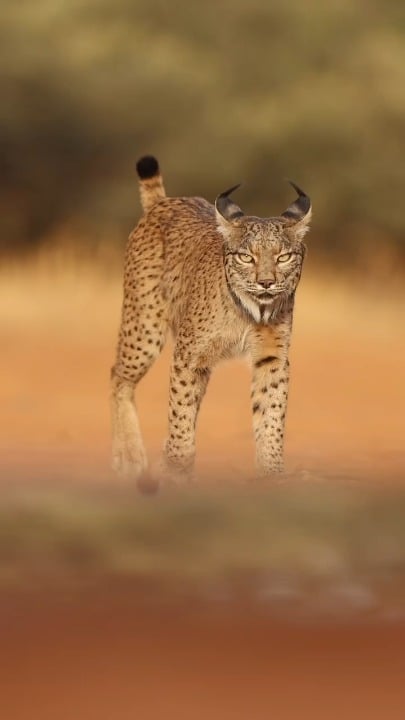
The Iberian lynx came within a few dozen breeding adults of extinction—and this is one in the wild
The Iberian lynx, with its striking coat and piercing eyes, is a majestic creature that has captivated the hearts of many wildlife enthusiasts. But what’s truly remarkable about this beautiful animal is the incredible comeback story it has to tell. Just a few decades ago, the Iberian lynx came within a few dozen breeding adults of extinction – a staggering fact that highlights the fragility of this species and the importance of conservation efforts. And yet, as I gaze at a photo of one of these stunning creatures in its natural habitat, I’m reminded of the power of perseverance and the impact that dedicated conservationists can have on the fate of a species.
The Brink of Extinction
The Iberian lynx’s journey to the edge of extinction is a complex and multifaceted one, involving a combination of factors such as habitat loss, prey depletion, and human persecution. As the Spanish and Portuguese landscapes underwent significant changes in the 20th century, with the expansion of agriculture and urbanization, the lynx’s native habitats were gradually destroyed, leaving the animals without the shelter and food they needed to survive. The situation was further exacerbated by the decline of the lynx’s primary prey species, the European rabbit, which was ravaged by disease and overhunting. By the early 2000s, the Iberian lynx population had dwindled to just a few dozen breeding adults, making it one of the most endangered cat species in the world.
Conservation Efforts
But in the face of such overwhelming odds, a dedicated team of conservationists, scientists, and wildlife experts came together to launch a concerted effort to save the Iberian lynx from extinction. This involved a range of initiatives, from habitat restoration and rabbit population management to captive breeding programs and reintroduction schemes. The results have been nothing short of remarkable, with the lynx population slowly but steadily beginning to recover. Today, there are estimated to be over 500 Iberian lynx in the wild, a testament to the power of collaborative conservation and the impact that human action can have on the fate of a species.
A New Era for the Iberian Lynx
As we look to the future, it’s clear that the Iberian lynx still faces many challenges, from the ongoing threats of habitat loss and fragmentation to the emergence of new diseases and climate change. And yet, despite these challenges, there is a sense of hope and optimism that surrounds this incredible species. With continued conservation efforts and a commitment to protecting and preserving the lynx’s natural habitats, it’s possible that we may one day see the Iberian lynx thrive in the wild once more. For now, as I gaze at that photo of a wild Iberian lynx, I’m reminded of the beauty and resilience of nature, and the incredible stories that await us just beyond the edge of our everyday lives.
The story of the Iberian lynx is a powerful reminder of the impact that human action can have on the natural world, and the importance of preserving and protecting the incredible biodiversity that surrounds us. As we move forward into an uncertain future, it’s stories like this that inspire us to take action, to make a difference, and to ensure that incredible creatures like the Iberian lynx continue to thrive for generations to come.