I converted fractals to audio
I still remember the day I stumbled upon an obscure corner of the internet where artists were converting fractals into audio – it was like discovering a hidden world where math and music merged in perfect harmony. The idea that these intricate, self-replicating patterns could be transformed into soundscapes was nothing short of magical. As I delved deeper, I found myself enthralled by the fascinating process of sonification, where the visual beauty of fractals was translated into an aural experience. The result was a symphony of sounds that echoed the infinite complexity of the fractals themselves, a true marvel of human creativity and technological innovation.
The Science Behind Fractals
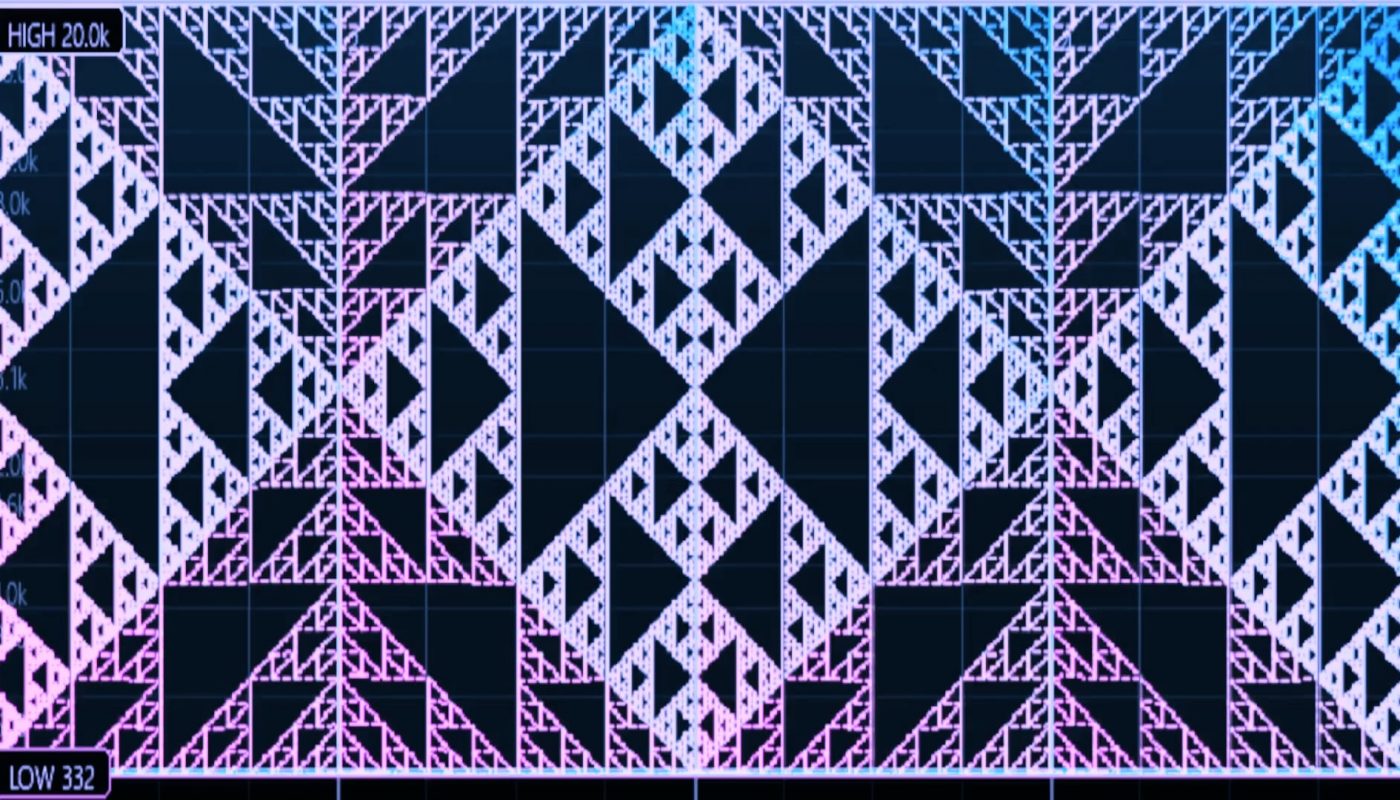
Fractals, with their never-ending patterns and detailed structures, have long been a subject of fascination for scientists and mathematicians. The term “fractal” was coined by Benoit Mandelbrot in 1975, derived from the Latin word “fractus,” meaning broken or fractured. These geometric shapes exhibit self-similarity, meaning they appear the same at different scales, from the branching of trees to the flow of rivers. The conversion of fractals to audio relies on assigning sound frequencies to the various elements that make up the fractal, such as color, shape, and size. This process, known as data sonification, allows us to perceive and interpret complex data in a unique and captivating way.
From Visual to Audio
The process of converting fractals to audio is an intricate dance between art and science. By using specialized software, artists can map the visual characteristics of a fractal to sound waves, creating an immersive experience that engages both the eyes and the ears. The resulting audio can range from soothing melodies to chaotic, discordant sounds, reflecting the infinite diversity of fractals. This innovative approach has opened up new avenues for creative expression, allowing artists to push the boundaries of traditional music and visual art. As I listened to the sonified fractals, I felt as though I was experiencing the beauty of mathematics in a whole new dimension.
A New Dimension of Creativity
The conversion of fractals to audio has far-reaching implications for various fields, from music and art to science and education. By making complex data more accessible and engaging, sonification can facilitate a deeper understanding of intricate concepts and patterns. Moreover, this innovative approach can inspire new forms of artistic expression, as musicians and composers begin to explore the sonic possibilities of fractals. As I explored this captivating world, I realized that the true magic lies not just in the technology, but in the boundless creativity and curiosity of the human spirit.
As I reflect on my journey into the world of fractal sonification, I am reminded of the profound connection between art, science, and music. The conversion of fractals to audio is more than just a technical feat – it is a testament to human ingenuity and the quest for innovation. By merging the visual beauty of fractals with the emotive power of sound, we can create new experiences that inspire, educate, and delight. And as I sit here, surrounded by the haunting melodies of sonified fractals, I am filled with a sense of wonder and awe at the infinite possibilities that await us at the intersection of math, music, and imagination.