Wasp injecting a cockroach
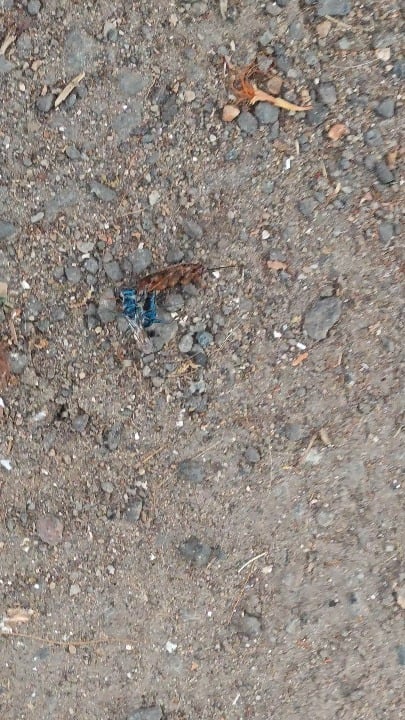
Imagine a tiny, winged assassin, seeking out its prey with ruthless precision. This isn’t a scene from a sci-fi movie, but rather a glimpse into the fascinating world of insects. The wasp, specifically the Ampulex compressa, also known as the cockroach wasp, has a rather unique and intriguing way of taking down its victims. With a swift and calculated strike, the wasp injects a paralyzing venom into the cockroach, turning it into a zombie-like creature that’s unable to escape or defend itself. But what’s behind this bizarre behavior, and how does it all work?
The Hunting Process
The cockroach wasp’s hunting process is a complex and highly specialized one. The wasp uses its stinger to inject a venom that contains a unique cocktail of chemicals, including a neurotransmitter called GABA, which is responsible for regulating the cockroach’s movement. The venom also contains a compound that blocks the production of octopamine, a chemical that plays a key role in the cockroach’s ability to walk and move. As a result, the cockroach becomes paralyzed and unable to move, making it an easy target for the wasp. But the wasp doesn’t kill the cockroach immediately – instead, it uses the paralyzed insect as a host to feed its own larvae.
The Science Behind the Venom
The venom used by the cockroach wasp is a remarkable example of evolutionary adaptation. The unique combination of chemicals in the venom allows the wasp to take control of the cockroach’s nervous system, essentially turning it into a puppet that can be manipulated at will. But how does the wasp produce such a complex and potent venom? Research has shown that the venom is produced in the wasp’s venom gland, which is located in its abdomen. The gland contains a specialized set of cells that are responsible for producing the different components of the venom, including the GABA and octopamine-blocking compounds. The venom is then delivered to the cockroach through the wasp’s stinger, which is capable of injecting the venom deep into the insect’s body.
A Complex and Fascinating Relationship
The relationship between the cockroach wasp and its host is a complex and fascinating one. The wasp’s ability to manipulate the cockroach’s behavior and turn it into a zombie-like creature is a remarkable example of evolutionary adaptation. But it’s not just the wasp that benefits from this relationship – the cockroach also plays a crucial role in the wasp’s life cycle. The paralyzed cockroach provides a source of food for the wasp’s larvae, which feed on the insect’s body fluids and tissues. As the larvae grow and develop, they eventually emerge from the cockroach’s body as fully formed wasps, ready to start the cycle again. It’s a remarkable example of the intricate and often bizarre relationships that exist in the natural world.
As we delve into the fascinating world of insects, we’re constantly reminded of the incredible diversity and complexity of life on our planet. The cockroach wasp’s unique behavior and venom are just one example of the many remarkable adaptations that have evolved in the natural world. By studying these fascinating creatures, we can gain a deeper appreciation for the intricate web of relationships that exist between different species, and the remarkable ways in which they interact and adapt to their environments. Whether you’re an insect enthusiast or just someone who appreciates the weird and wonderful, the cockroach wasp is certainly a creature that’s worth learning more about.