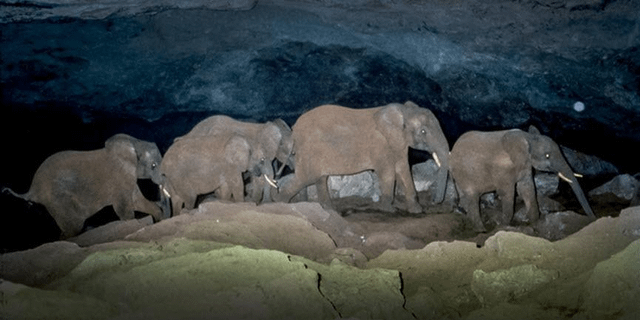
These are Kenyan cave elephants, which dig underground caves just to mine salt. They find tiny, narrow holes that can barely fit their heads and use their tusks to carve them into proper caves, sometimes making these caves miles long.
I just stumbled upon one of the most incredible animal behaviors I’ve ever heard of – Kenyan cave elephants that dig underground caves in search of salt. Can you imagine these massive creatures squeezing through tiny holes and using their tusks to carve out miles-long tunnels? It’s a truly mind-boggling phenomenon that has left me wondering about the science and backstory behind it. As it turns out, these elephants are driven by a crucial need for salt, which is essential for their survival. The salty deposits they uncover in these caves are a vital source of nutrition, and they’ll stop at nothing to get to them.
The Great Salt Heist
So, how do these elephants manage to create such elaborate cave systems? It all starts with their incredible sense of smell, which allows them to detect the presence of salt deposits from far away. Once they’ve located a potential site, they use their trunks to sniff out tiny holes and crevices that can barely fit their heads. From there, they employ their tusks to carefully carve out the rock and soil, slowly but surely expanding the tunnel. It’s a painstaking process that requires immense patience and dedication, but the reward is well worth it – a steady supply of salt that’s essential for their health and well-being.
The Science Behind the Salt
But why is salt so crucial for these elephants? The answer lies in their diet, which consists mainly of plants and vegetation. While these foods provide plenty of nutrients, they’re often lacking in essential minerals like sodium and potassium. Salt deposits, on the other hand, are rich in these minerals, making them a vital supplement for the elephants’ diet. By mining salt from these underground caves, the elephants are able to maintain a delicate balance of electrolytes in their bodies, which is essential for regulating everything from nerve function to muscle contractions. It’s a remarkable example of how animals have evolved to adapt to their environments and meet their nutritional needs.
A Testament to Ingenuity
The fact that these elephants are able to create such complex cave systems is a testament to their intelligence and resourcefulness. It’s a reminder that animals are capable of incredible feats of problem-solving and innovation, often using tools and techniques that are unique to their species. As we continue to learn more about the behavior of Kenyan cave elephants, we’re gaining a deeper appreciation for the intricate relationships between animals, their environments, and the nutrients they need to survive. It’s a fascinating story that highlights the importance of conservation and protecting these incredible creatures and their habitats.
As I delve deeper into the world of Kenyan cave elephants, I’m struck by the complexity and beauty of their behavior. These incredible animals are a reminder of the awe-inspiring diversity of life on our planet, and the importance of preserving and protecting it for future generations. Whether you’re a seasoned wildlife enthusiast or just someone who loves learning about the natural world, the story of the Kenyan cave elephants is sure to captivate and inspire – a true marvel of nature that will leave you wondering at the incredible adaptability and ingenuity of the animal kingdom.