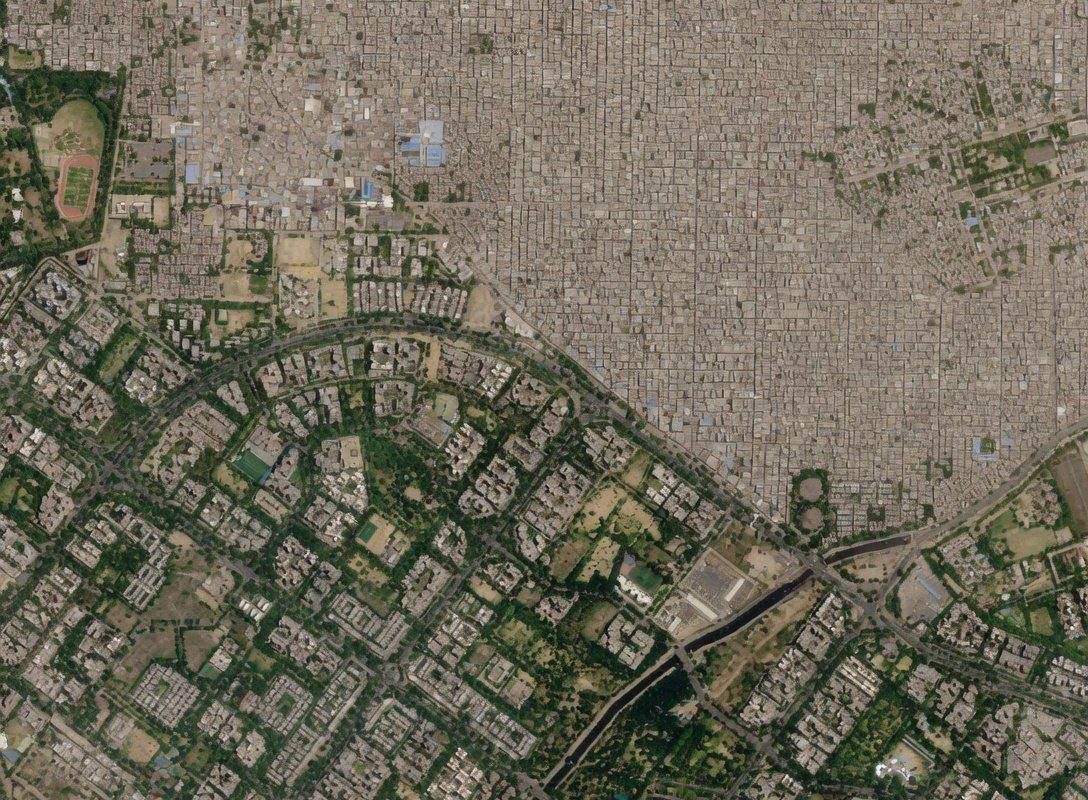
The divide between the ‘Haves’ and ‘Hav Nots’ in the city of Delhi, India
As I stepped out of the airport in Delhi, India, I was immediately struck by the cacophony of sounds, the riot of colors, and the sheer energy of the city. But amidst the chaos, I couldn’t help but notice the stark contrast between the haves and the have-nots. The city’s gleaming skyscrapers and luxury malls stood in stark contrast to the makeshift slums and street vendors, a reminder of the deep-seated divide that runs through the heart of Delhi. I found myself wondering, what are the stories behind these two worlds, and how did they come to coexist in such an uneasy harmony?
The Luxury Enclave
Delhi’s affluent neighborhoods, such as Hauz Khas and Defence Colony, are a world away from the poverty and chaos that exists just a few kilometers away. These areas are characterized by pristine streets, upscale boutiques, and some of the city’s best restaurants. The residents of these neighborhoods enjoy a level of comfort and convenience that is unparalleled in many parts of the world. They have access to the best schools, hospitals, and amenities, and their lives are marked by a sense of ease and privilege. But despite their many advantages, the residents of these neighborhoods often live in a bubble, isolated from the harsh realities that exist just beyond their gated communities.
The Struggle is Real
On the other hand, Delhi’s slums and working-class neighborhoods, such as Okhla and Seelampur, are a testament to the city’s enduring poverty and inequality. These areas are marked by narrow streets, cramped living conditions, and a lack of basic amenities such as clean water and sanitation. The residents of these neighborhoods face a daily struggle to survive, working long hours in menial jobs for barely enough money to make ends meet. Despite the many challenges they face, however, these communities are also marked by a sense of resilience and resourcefulness, as people come together to support each other and make the most of the limited opportunities available to them.
Bridging the Gap
So what can be done to bridge the gap between Delhi’s haves and have-nots? The answer is complex, and will likely involve a combination of government initiatives, private sector investment, and community-led efforts. One approach is to focus on education and job training, providing young people from disadvantaged backgrounds with the skills and knowledge they need to compete in the modern economy. Another approach is to invest in affordable housing and urban infrastructure, providing safe and decent living conditions for all residents, regardless of their income level. By working together to address these challenges, it may be possible to create a more equitable and just society, where everyone has access to the opportunities and resources they need to thrive.
As I reflect on my time in Delhi, I am left with a sense of awe and wonder at the complexity and diversity of this great city. The divide between the haves and have-nots is a stark reminder of the many challenges that India still faces, but it is also a testament to the resilience and determination of the Indian people. Despite the many obstacles they face, the residents of Delhi continue to strive and thrive, creating a city that is at once beautiful, chaotic, and deeply human. As I look to the future, I am filled with a sense of hope and optimism, knowing that with time, effort, and dedication, it may be possible to create a brighter, more equitable future for all the people of Delhi.