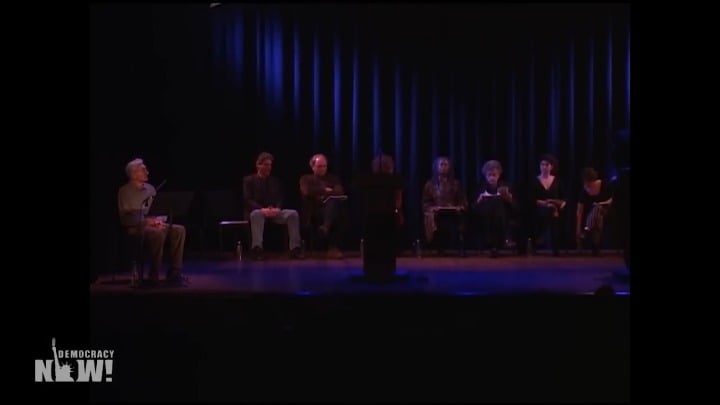
James Earl Jones reads “What to the Slave Is the Fourth of July?” by Frederick Douglass
As I sat listening to James Earl Jones’ powerful voice reading “What to the Slave Is the Fourth of July?” by Frederick Douglass, I felt like I was transported to a different era. The iconic actor’s deep, resonant tone brought to life the words of the former slave and prominent abolitionist, and I was struck by the relevance of Douglass’ speech to this day. Written in 1852, the speech is a scathing critique of the hypocrisy of celebrating freedom and independence in a country where slavery was still deeply ingrained. Jones’ reading of the speech is a powerful reminder of the ongoing struggle for true freedom and equality in America.
The Historical Context
The speech was originally delivered by Douglass on July 5, 1852, in Rochester, New York, at the invitation of the Rochester Ladies’ Anti-Slavery Society. It was a time of great turmoil in the United States, with the debate over slavery reaching a fever pitch. The Compromise of 1850 had recently been passed, which attempted to balance the power between slave and free states, but ultimately did little to address the underlying issue of slavery. Douglass’ speech was a call to action, urging Americans to recognize the inherent contradictions in their celebration of freedom while millions of enslaved people remained in bondage.
The Power of Oratory
James Earl Jones’ reading of the speech is a masterclass in the power of oratory. His voice is like a warm embrace, drawing the listener in and refusing to let go. As he reads Douglass’ words, you can feel the weight of history bearing down upon you. The speech is a testament to the enduring power of language to inspire, to educate, and to challenge our assumptions. Douglass’ use of rhetorical devices, such as metaphor and allusion, adds depth and complexity to the speech, making it a rich and rewarding listen. Jones’ interpretation brings out the full range of emotions in the speech, from outrage and indignation to sorrow and longing.
A Timeless Message
Despite being written over 150 years ago, “What to the Slave Is the Fourth of July?” remains a timeless message of hope and defiance. Douglass’ speech is a reminder that the struggle for freedom and equality is ongoing, and that we must continue to challenge ourselves and our institutions to live up to the ideals of justice and equality. As Jones’ voice rings out, reading Douglass’ words, you can’t help but feel a sense of awe at the power of the human spirit to persevere in the face of adversity. The speech is a call to action, urging us to recognize the inherent worth and dignity of all people, and to work towards a world where everyone can truly be free.
As I finished listening to James Earl Jones’ reading of “What to the Slave Is the Fourth of July?”, I felt a sense of gratitude for the opportunity to experience this powerful speech in a new way. The combination of Douglass’ eloquent words and Jones’ masterful interpretation is a potent reminder of the enduring power of language to inspire and challenge us. As we continue to navigate the complexities of our own time, Douglass’ speech remains a powerful reminder of the importance of standing up for what is right, even in the face of overwhelming opposition.