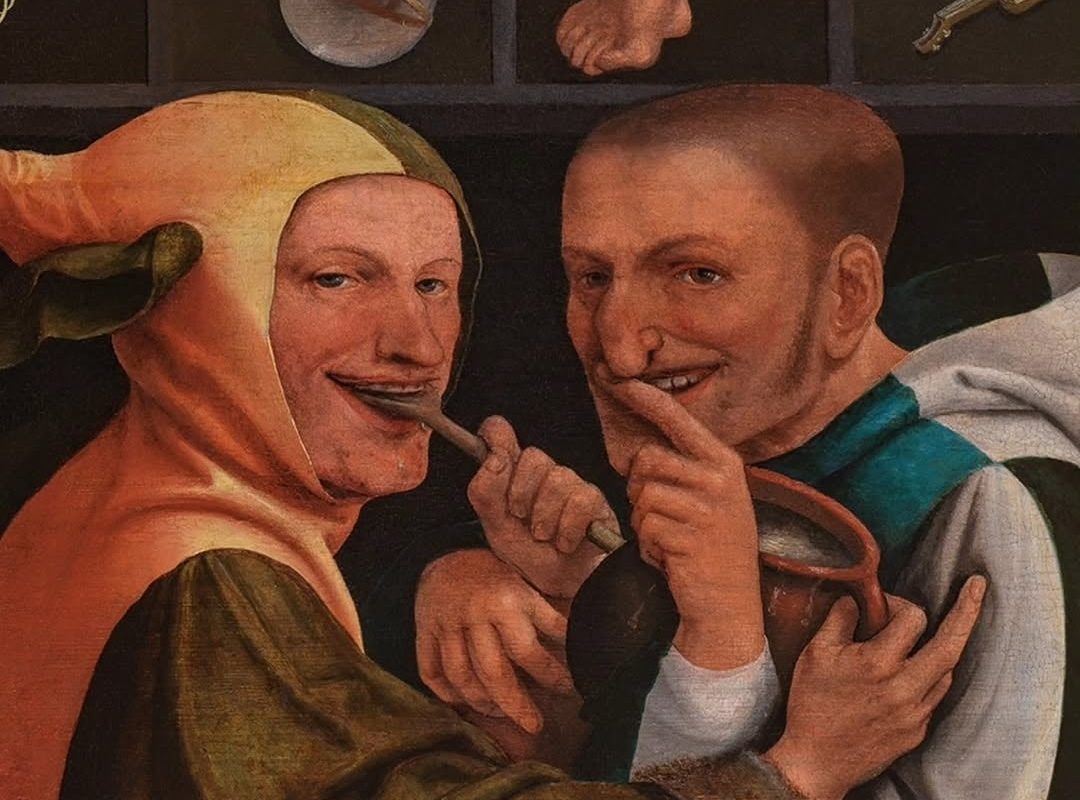
In 1711, a Dutch embassy gifted this painting to the Maharaja of Mewar(india). Having never seen Europeans before, Mewar’s painters began recreating it, and it influenced how Europeans were depicted in Mewar art thereafter.
In the early 18th century, a remarkable gift was exchanged between two vastly different cultures – a Dutch embassy presented a painting to the Maharaja of Mewar, India, in 1711. This simple act of diplomacy would go on to have a profound impact on the artistic landscape of Mewar, influencing the way Europeans were depicted in local art for years to come. The story of this painting is a fascinating glimpse into the cultural exchange and artistic evolution that occurred when East met West.
The Gift of Art
The painting gifted to the Maharaja of Mewar was likely a portrait of a European noble or a scene depicting European life. At the time, Mewar’s artists had never seen Europeans before, and the painting would have been a novelty, offering a unique glimpse into a foreign culture. The artists of Mewar were intrigued by the painting’s style, composition, and the unfamiliar subjects it depicted. As a result, they began to recreate the painting, studying its techniques and incorporating its elements into their own work. This marked the beginning of a new era in Mewar art, as local painters started to experiment with European styles and themes.
A New Influence
The influence of the Dutch painting can be seen in the subsequent artwork produced in Mewar. Local artists began to depict Europeans in their paintings, often incorporating them into traditional Indian scenes. These depictions were not always accurate, but they reflected the artists’ fascination with the foreign culture. The introduction of European elements also led to the development of a new style, which blended traditional Indian techniques with Western influences. This unique fusion of styles resulted in some remarkable artworks, offering a glimpse into the cultural exchange that occurred between India and Europe during this period.
A Lasting Legacy
The gift of the Dutch painting to the Maharaja of Mewar had a lasting impact on the artistic heritage of the region. The influence of European art can still be seen in the paintings and murals that adorn the walls of Mewar’s palaces and temples. The story of this painting serves as a reminder of the power of cultural exchange and the impact it can have on artistic evolution. As we look at these paintings today, we are reminded of the curiosity and creativity of the artists who came before us, and the remarkable story of how a simple gift can change the course of art history.
As we delve into the fascinating backstory of this painting, we are reminded of the incredible cultural exchange that occurred between India and Europe in the 18th century. The gift of the Dutch painting to the Maharaja of Mewar was more than just a diplomatic gesture – it was a catalyst for artistic innovation and a testament to the power of cultural exchange. Today, as we gaze upon the beautiful paintings that adorn the walls of Mewar’s palaces, we are grateful for the curiosity and creativity of the artists who were inspired by this remarkable gift, and we are reminded of the enduring legacy of this extraordinary cultural encounter.