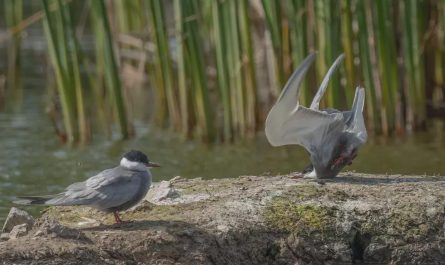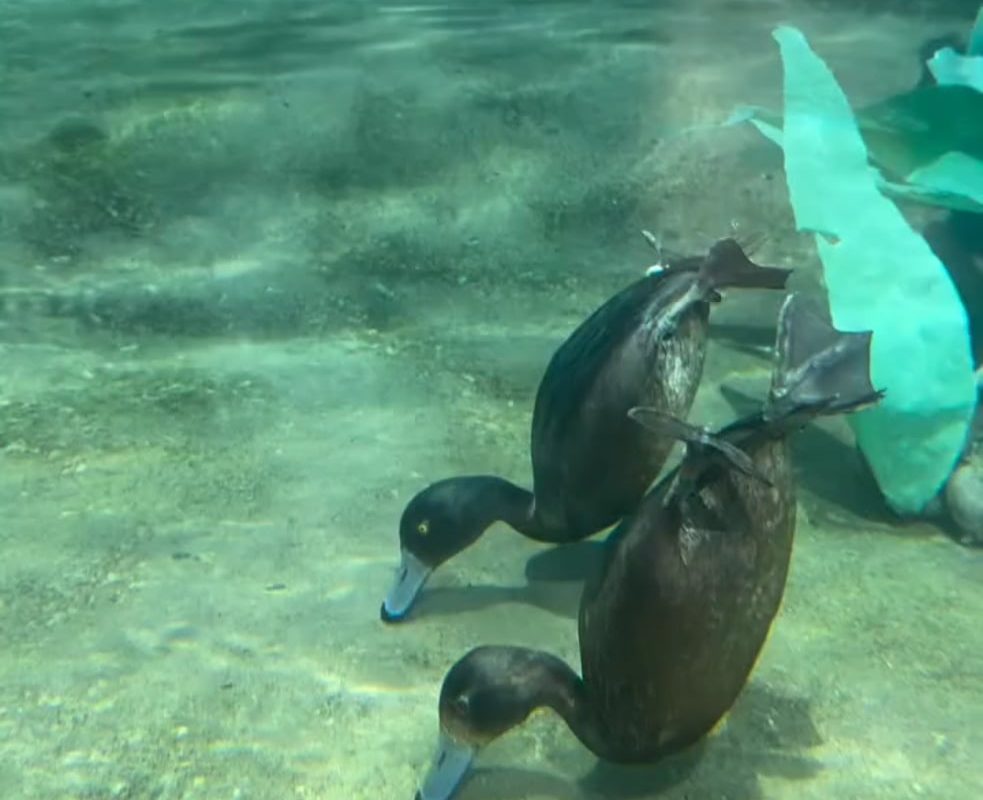
Duck diving underwater to forage for food
Have you ever watched a duck dive underwater and wondered what on earth it’s doing down there? I mean, we all know ducks love water, but it turns out they’re not just swimming around for the fun of it – they’re actually on a mission to find food. And let me tell you, it’s a pretty impressive process. From the moment they dip their beaks into the water, ducks are using a combination of skill, instinct, and physical adaptations to forage for the tasty plants and animals that live beneath the surface.
The Art of Duck Diving
Ducks are able to dive underwater thanks to their unique physical characteristics. Their bodies are streamlined for swimming, with a sleek, waterproof coat of feathers that helps them move quickly and efficiently through the water. They also have webbed feet that act like paddles, propelling them downward with incredible force. But what’s really interesting is the way they use their eyes and beaks to search for food. Ducks have a special third eyelid called the nictitating membrane, which helps protect their eyes underwater. And their beaks are specially designed for foraging, with sensitive nerves that allow them to feel for food in the dark, murky depths.
What Are They Eating Down There?
So, what exactly are ducks eating when they dive underwater? The answer varies depending on the type of duck and the location, but generally speaking, they’re after plants, insects, and small animals like snails and crustaceans. Some ducks, like mergansers and goldeneyes, are specialized to eat fish and other aquatic animals. Others, like wood ducks and mallards, tend to focus on plants and insects. And then there are the dabbling ducks, which feed on a combination of plants and animals in the shallow waters of ponds and lakes. Whatever they’re eating, it’s clear that duck diving is an essential part of their survival strategy – and a fascinating spectacle to watch.
Conservation Connections
As we watch ducks diving underwater, it’s also worth thinking about the bigger picture. These amazing birds are an important part of their ecosystems, playing a vital role in controlling aquatic plant and animal populations. And yet, many duck species are facing threats like habitat loss, pollution, and climate change. By learning more about duck diving and the amazing adaptations that make it possible, we can gain a deeper appreciation for these incredible birds – and a greater understanding of the importance of conservation efforts to protect them. So next time you see a duck diving underwater, remember the fascinating story behind this remarkable behavior.
As I finish writing this, I’m left with a sense of wonder at the secret world of duck diving. It’s a reminder that even in the most familiar-seeming creatures, there’s often a hidden depth of complexity and fascination waiting to be explored. Whether you’re a seasoned birdwatcher or just a curious observer, the next time you see a duck diving underwater, take a moment to appreciate the incredible story behind this remarkable behavior – and the amazing birds that make it all possible.