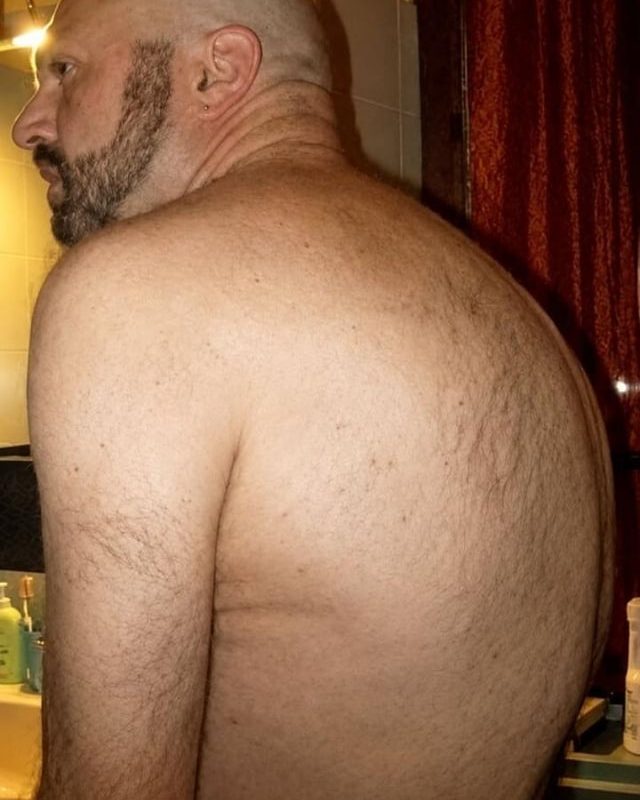
My X-ray compared to my actual back, showing severe thoracic kyphosis
I still remember the day I got my X-ray results, and let me tell you, it was a real eye-opener. Seeing the curvature of my spine on that film was like looking at a stranger’s back – it was my body, but it didn’t feel like mine. The severe thoracic kyphosis was staring right back at me, a harsh reminder of the toll years of poor posture and genetics had taken on my poor back. But as I delved deeper into the world of spinal health, I discovered that my X-ray was more than just a pretty picture – it was a window into a complex and fascinating world of anatomy and science.
Understanding Thoracic Kyphosis
So, what exactly is thoracic kyphosis? Simply put, it’s a curvature of the spine in the thoracic region, which is the middle section of your back. Normally, this part of the spine should have a gentle, outward curve, but in cases like mine, the curve is much more pronounced. This can be caused by a variety of factors, including genetics, osteoporosis, and even bad posture. But here’s the thing: it’s not just about aesthetics – severe thoracic kyphosis can lead to some serious health issues, like back pain, breathing difficulties, and even digestive problems. It’s no wonder, then, that I’ve been experiencing some of these symptoms over the years, and it’s been a real wake-up call to take better care of my spine.
The Science Behind Spinal Curvature
As I dug deeper into the science behind spinal curvature, I was amazed at just how complex and intricate our spines are. The thoracic spine, in particular, is made up of 12 vertebrae, each one carefully stacked on top of the other to form a delicate balance of curves and lines. But when this balance is disrupted, as in the case of thoracic kyphosis, it can have a ripple effect throughout the entire body. For example, the curvature of the spine can put pressure on the lungs and diaphragm, making it harder to breathe, and it can even affect the way the body absorbs nutrients from food. It’s mind-boggling to think about just how interconnected our bodies are, and how one small issue can have such far-reaching consequences.
A New Perspective on Spinal Health
Seeing my X-ray was a turning point for me, a chance to take a step back and re-evaluate my relationship with my body. It’s easy to take our spines for granted, to assume that they’ll just keep on working without any issues. But the truth is, our spines are incredibly fragile and resilient at the same time, and they need our care and attention to stay healthy. For me, this means making a conscious effort to practice good posture, to exercise regularly, and to take care of my overall health. It’s not always easy, but it’s worth it – and I’m grateful for that X-ray, harsh as it was, for giving me a new perspective on the incredible, intricate machine that is my body.
As I look back on that X-ray, I’m reminded of just how fascinating and complex our bodies are. The story of my spine is just one small chapter in the grand narrative of human anatomy, and it’s a story that’s still being written. By taking care of my spine and prioritizing my health, I’m not just improving my own well-being – I’m also gaining a deeper appreciation for the incredible, intricate machine that is my body. And that’s a truly beautiful thing.