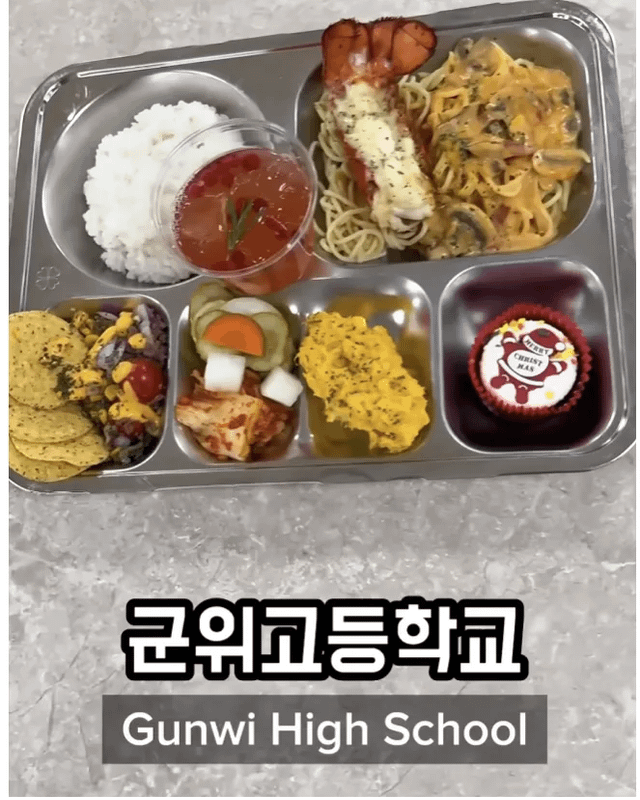
South Korea High School Lunch
As I sat down to learn more about South Korea’s high school lunch system, I couldn’t help but think about my own school days, when the highlight of the day was often the mystery meat served in the cafeteria. But it turns out, South Korea’s approach to school lunches is a whole different story. With a focus on nutrition, community, and cultural heritage, the country’s high school lunch program is a fascinating example of how food can bring people together and shape the next generation. From the types of food served to the way meals are prepared and consumed, every aspect of the program is designed to promote health, social bonding, and a sense of national pride.
The Science of Nutrition
South Korea’s high school lunch program is built on a foundation of scientific research and nutritional expertise. The country’s education ministry works closely with dietitians and nutritionists to develop menus that meet the dietary needs of growing teenagers. Meals are carefully balanced to provide the right mix of protein, healthy fats, and complex carbohydrates, with a focus on whole grains, fruits, and vegetables. But what’s really interesting is the way the program incorporates traditional Korean ingredients and cooking methods to promote cultural heritage and community engagement. For example, many schools serve dishes like bibimbap, a signature Korean rice bowl dish topped with an assortment of vegetables, meat, and a fried egg, which not only tastes great but also provides a boost of vitamins and minerals.
Community and Social Bonding
Mealtimes in South Korean high schools are not just about fueling up for the next class, but also about building relationships and a sense of community. Students typically eat together in large groups, often with their teachers and school staff, which helps to foster a sense of belonging and social connection. This approach is rooted in traditional Korean values of respect, hierarchy, and collective harmony, where mealtimes are seen as opportunities to strengthen social bonds and reinforce cultural norms. By sharing meals together, students learn important social skills like communication, empathy, and cooperation, which are essential for success in all areas of life. Plus, the communal dining experience helps to break down social barriers and promote a sense of equality, where everyone is treated with respect and dignity, regardless of their background or socio-economic status.
Cultural Heritage and National Pride
South Korea’s high school lunch program is also deeply rooted in the country’s cultural heritage and national identity. The program celebrates traditional Korean cuisine, which is known for its bold flavors, vibrant colors, and emphasis on seasonal ingredients. By serving dishes like kimchi, bulgogi, and japchae, schools help to preserve cultural traditions and promote national pride. At the same time, the program is not afraid to innovate and adapt to changing tastes and dietary preferences, which helps to keep the menu fresh and exciting for students. Whether it’s a spicy kimchi stew or a hearty bowl of noodles, every meal is a chance to explore the rich culinary history of Korea and appreciate the country’s unique cultural heritage.
As I delved deeper into the world of South Korean high school lunches, I was struck by the program’s unique blend of nutrition, community, and cultural heritage. It’s a truly holistic approach to food and education, one that recognizes the importance of mealtimes in shaping the minds, bodies, and spirits of the next generation. Whether you’re a foodie, a educator, or simply someone who cares about the well-being of young people, South Korea’s high school lunch program is definitely worth exploring – and maybe even emulating. Who knows, maybe one day we’ll see a similar approach to school lunches in our own communities, where mealtimes are not just about sustenance, but about building connections, promoting cultural heritage, and fostering a sense of national pride.