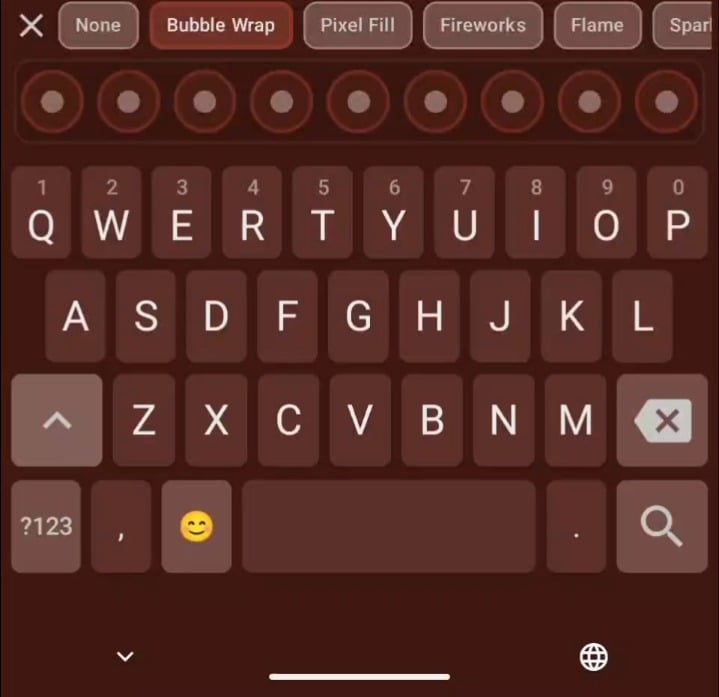
Keyboard Fidgets
As I sat at my desk, trying to focus on the task at hand, I found myself mindlessly tapping away at my keyboard. It wasn’t until I caught myself doing it for the umpteenth time that I realized I was exhibiting a behavior that’s become increasingly common in our digital age: keyboard fidgeting. It’s a fascinating phenomenon that speaks to our inherent need for tactile stimulation and our brains’ constant quest for distraction. But what’s behind this curious behavior, and why do we find ourselves doing it so often?
The Science of Fidgeting
Research has shown that fidgeting is a natural response to stress, boredom, or excess energy. When we’re feeling anxious or restless, our brains often seek out ways to release tension, and fidgeting provides a convenient outlet. Keyboard fidgeting, in particular, may be a result of our brains’ desire for tactile stimulation in a world that’s increasingly digital. By tapping away at our keyboards, we’re able to engage our sense of touch and provide our brains with a sense of comfort and familiarity. It’s a behavior that’s deeply ingrained in our psychology, and one that speaks to our fundamental need for physical interaction with the world around us.
A Brief History of Fidget Toys
Keyboard fidgeting is just the latest iteration in a long line of fidget toys and behaviors that have been popular throughout history. From stress balls to fidget spinners, we’ve always found ways to channel our excess energy and anxiety into physical activity. In fact, the concept of fidgeting dates back to the early 20th century, when anxiety and stress were first recognized as legitimate psychological concerns. Since then, we’ve seen a proliferation of fidget toys and gadgets, each designed to provide a healthy outlet for our nervous energy. Keyboard fidgeting may be a more modern phenomenon, but it’s part of a long tradition of finding creative ways to manage our stress and anxiety.
The Digital Age and Fidgeting
So what does the rise of keyboard fidgeting say about our digital age? For one, it highlights the ways in which technology is changing our behavior and our brains. As we spend more and more time staring at screens and interacting with digital devices, we’re finding new ways to adapt and respond to our environment. Keyboard fidgeting may be a minor behavior, but it speaks to a deeper shift in how we interact with the world around us. It’s a reminder that, even as we become increasingly digital, we’re still fundamentally human – and that our brains and bodies will always find ways to assert themselves, even in the most unexpected ways.
As I finished writing this article, I caught myself keyboard fidgeting once again – a testament to the enduring power of this curious behavior. Whether we’re aware of it or not, keyboard fidgeting has become an integral part of our digital landscape, a quirky reminder of our brains’ constant quest for stimulation and distraction. So the next time you find yourself tapping away at your keyboard, remember that you’re part of a long tradition of fidgeters – and that your brain is simply trying to find its own unique way to navigate the complexities of our digital world.