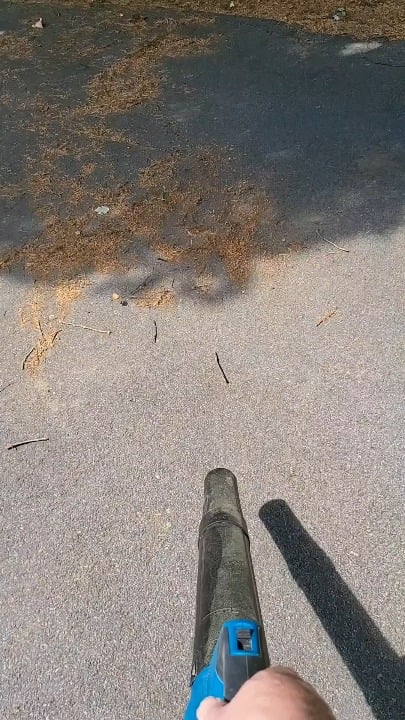
Blowing tree pollen.
As I stepped outside on that sunny spring morning, I couldn’t help but notice the tiny yellow clouds dancing in the air. It was as if nature was putting on a magical show, with tree pollen taking center stage. But have you ever stopped to think about what’s really going on when trees release their pollen into the air? It’s a fascinating process that’s been happening for millions of years, and it’s essential for the survival of many plant species. So, let’s take a closer look at the amazing world of tree pollen and explore the science behind this natural phenomenon.
The Great Pollen Explosion
When trees release their pollen, it’s not just a gentle trickle – it’s a full-blown explosion of tiny particles into the air. This process is called anthesis, and it’s a critical stage in the life cycle of many tree species. As the pollen is released, it’s carried away by the wind, traveling sometimes hundreds of miles before it lands on another tree or surface. It’s an incredible feat of nature, with some trees producing millions of pollen grains in a single season. But what’s even more remarkable is the precision and timing that goes into this process. Trees have evolved to release their pollen at exactly the right moment, taking into account factors like temperature, humidity, and even the presence of pollinators like bees and butterflies.
Pollen: The Ultimate Traveler
Tree pollen is incredibly resilient and can survive for long periods of time outside of its parent tree. In fact, scientists have found pollen grains that are thousands of years old, preserved in ice cores and sediment layers. This durability allows pollen to travel vast distances, crossing oceans and continents with ease. It’s not uncommon for pollen from trees in North America to end up in Europe, or for pollen from Asian trees to make its way to Australia. This global dispersal of pollen has played a crucial role in shaping the diversity of plant life on our planet, allowing species to migrate and adapt to new environments over time.
The Impact on Human Health
While tree pollen is essential for the survival of many plant species, it can also have a significant impact on human health. For people with allergies, the release of tree pollen can trigger a range of symptoms, from mild discomfort to life-threatening reactions. But even for those without allergies, high levels of pollen in the air can exacerbate respiratory conditions like asthma. Despite these challenges, scientists are working to better understand the complex relationships between tree pollen, human health, and the environment. By studying the patterns and trends of pollen release, researchers hope to develop more effective strategies for managing allergies and mitigating the impacts of climate change on our ecosystems.
As I watched the tree pollen dance in the air, I felt a sense of wonder and awe at the intricate web of life that surrounds us. The release of tree pollen is just one small part of a much larger story, a story that involves the complex interplay of plants, animals, and the environment. By exploring this fascinating world, we can gain a deeper appreciation for the natural beauty and diversity that surrounds us, and work towards a future where humans and the environment thrive together in harmony.