Horseshoe replacement
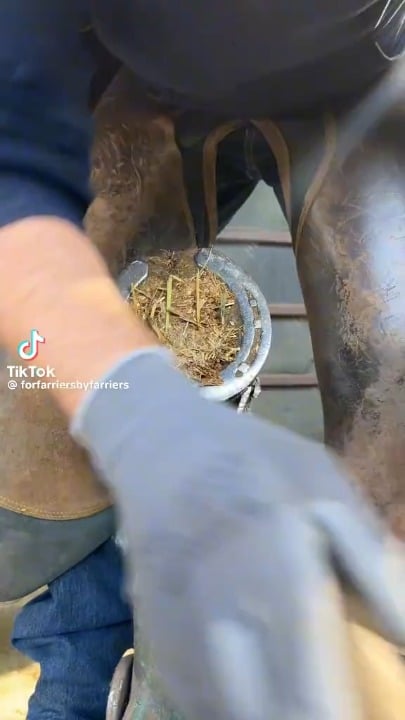
As I watched a farrier expertly remove a worn-out horseshoe from a majestic horse’s hoof, I couldn’t help but wonder – what’s the story behind this ancient practice? Horseshoe replacement is an art that has been perfected over centuries, with its roots dating back to the early days of horse domestication. The process is not just about slapping a new shoe on a horse’s hoof, but rather a delicate dance between the farrier, the horse, and the shoe itself. With every replacement, a farrier must consider the horse’s breed, age, and workload, as well as the terrain and climate it will be riding in. It’s a fascinating blend of tradition, science, and intuition that has captivated me, and I’m excited to dive deeper into the world of horseshoe replacement.
The History of Horseshoes
The use of horseshoes dates back to ancient civilizations, with evidence of horse shoeing found in ancient Greece, Rome, and Egypt. The early horseshoes were made from leather, bronze, and even wood, and were designed to protect the horse’s hooves from wear and tear. Over time, the design and materials used in horseshoes evolved, with the introduction of iron and steel leading to stronger, more durable shoes. Today, horseshoes come in a variety of shapes, sizes, and materials, each designed to meet the specific needs of different breeds and disciplines. From the lightweight, aluminum shoes used in racing to the heavy, steel shoes used in draft work, the art of horseshoeing has become a highly specialized craft.
The Science of Horseshoeing
So, what makes a good horseshoe? It’s not just about slapping a piece of metal on a horse’s hoof – the science behind horseshoeing is surprisingly complex. A good horseshoe must be carefully shaped to fit the horse’s hoof, taking into account the angle of the hoof, the length of the toe, and the width of the heel. The shoe must also be made from a material that is strong enough to withstand the forces of motion, yet gentle enough not to cause damage to the hoof. And then there’s the issue of traction – a horseshoe must provide enough grip to prevent the horse from slipping, without being so aggressive that it causes the horse to stumble. It’s a delicate balance, one that requires a deep understanding of equine anatomy, biomechanics, and physics.
The Art of Farriery
Despite the advances in technology and materials, the art of farriery remains a highly skilled craft. A good farrier must have a deep understanding of horse behavior, anatomy, and psychology, as well as the ability to work with a variety of materials and tools. From the initial consultation to the final shoeing, a farrier must be able to communicate effectively with the horse’s owner, understand the horse’s specific needs, and adapt their techniques to meet those needs. It’s a challenging and rewarding profession, one that requires patience, dedication, and a passion for working with horses. As I watched the farrier finish up the shoeing job, I couldn’t help but feel a sense of awe and respect for this ancient craft.
As I walked away from the scene, I couldn’t help but feel grateful for the opportunity to learn about the fascinating world of horseshoe replacement. It’s a topic that may seem mundane at first glance, but scratch beneath the surface and you’ll find a rich history, complex science, and a deep appreciation for the art of farriery. Whether you’re a horse owner, a farrier, or simply someone who appreciates the beauty of horses, the story of horseshoe replacement is one that is sure to captivate and inspire.